Cheap Destinations in Europe: Where Your Money Lasts Longer and the Experience Feels Richer
Cheap destinations in Europe are no longer a backpacker secret. They have become a strategic choice for travelers who care about depth, mobility, and staying longer without burning through savings.
For years, Europe was sold as a dream framed by Parisian cafés, Italian coastlines and Scandinavian design hotels. Beautiful, yes. Affordable, rarely. But as travel behavior has matured and remote work expanded geographic freedom, a quieter map has emerged. One where monthly living costs rival Latin America in some cities. One where medieval squares coexist with coworking spaces. One where you can rent an apartment for the price of a weekend in London.
The real surprise is not just the lower prices. It is how culturally dense and emotionally rewarding these places are. Eastern Europe and the Balkans are not discount versions of Western Europe. They are different Europes. Slower in some corners, raw in others, sometimes complex, often underestimated. And that is precisely what makes them powerful.
Below is a strategic, experience-driven guide to the best cheap destinations in Europe, designed for curious travelers, slow explorers and digital nomads who see travel as personal capital.
Why Cheap Destinations in Europe Often Deliver More
Lower prices across Eastern and Southeastern Europe are driven by local purchasing power, currency differences and tourism flows that are still growing but not saturated.
What this means in practice:
• Restaurant meals under €10 in many capitals
• Reliable public transport passes under €20 per week
• Long-distance buses and trains under €25
• Monthly apartment rentals between €400 and €900 in several cities
For someone staying two to eight weeks, that difference compounds. Instead of compressing five cities into seven frantic days, you can choose two cities and actually live.
Now let’s explore the regions where cost and culture intersect beautifully.
Eastern Europe: Architectural Drama Without Western Prices
Portugal: Western Location, Eastern Value Logic
Portugal sits in Western Europe geographically, but cost-wise it behaves more gently than its neighbors.
Lisbon has seen a wave of digital nomads over the past decade. Yes, prices have increased in central districts. But if you stay slightly outside the historic core, daily expenses remain manageable. A simple lunch in a neighborhood tasca, grilled fish with rice and house wine, often costs less than €12. Public transport is efficient and affordable.
Porto feels even more balanced. Compact, walkable, layered with river views and tiled façades, it allows slow mornings and long café afternoons without financial stress.
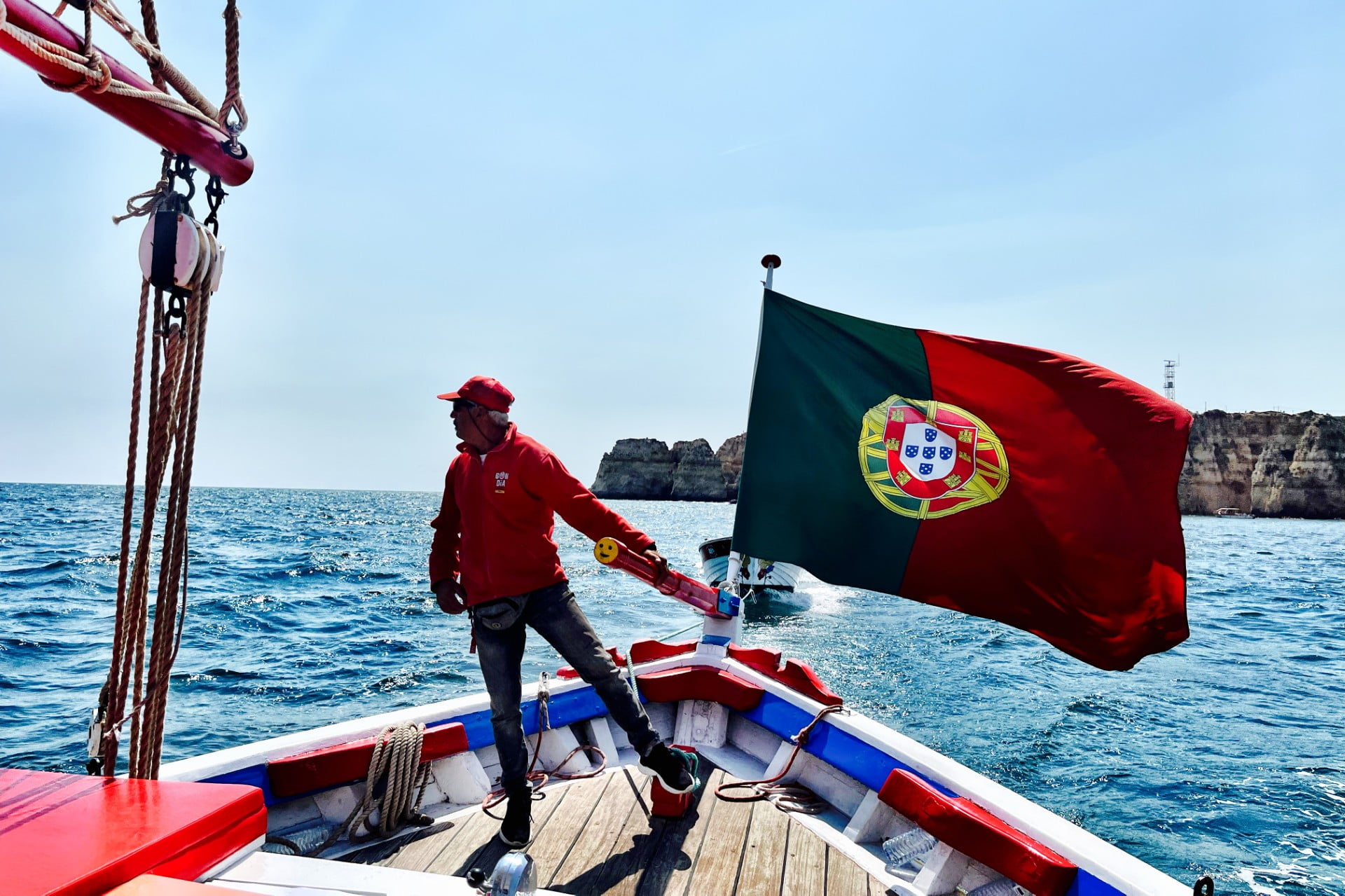
The Algarve is where Portugal becomes a strategic beach destination. Outside July and August, accommodation drops significantly. You can base yourself in smaller towns, rent a compact car for a few days, and explore cliffs and hidden coves at your own pace.
Ideal stay: 10 to 21 days
Daily budget comfort range: €45 to €75
Best seasons: April to June, September to October
Currency: Euro
Profile match: Remote workers who want infrastructure plus ocean access.
Poland: History, Design Cafés and Unexpected Sophistication
Poland surprises first-time visitors.
Kraków feels cinematic, with Gothic spires and cobblestone streets. Yet beneath the postcard visuals, you find modern bakeries, minimalist coffee shops and affordable coworking spaces. Traditional milk bars still serve hearty local meals at prices that feel almost nostalgic.
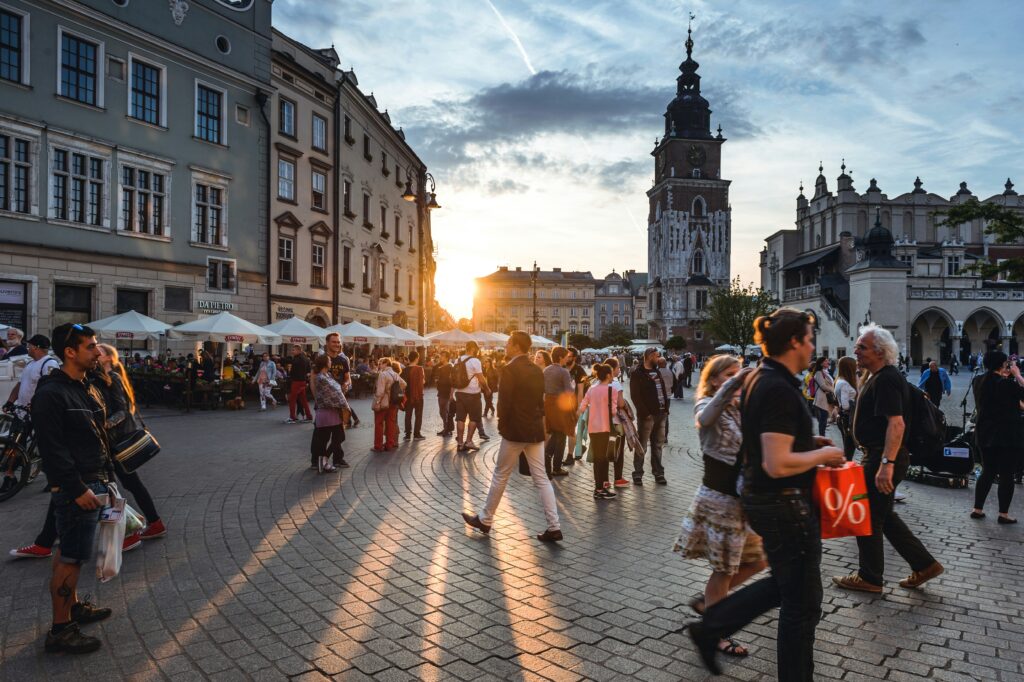
Warsaw, rebuilt after World War II, carries a different energy. More corporate, more ambitious, but still affordable compared to Western capitals. Public transportation is reliable and inexpensive, and intercity trains connect major hubs efficiently.
Ideal stay: 7 to 14 days per city
Daily budget comfort range: €35 to €60
Currency: Polish złoty
Profile match: Culture-driven travelers who enjoy urban energy without chaos.
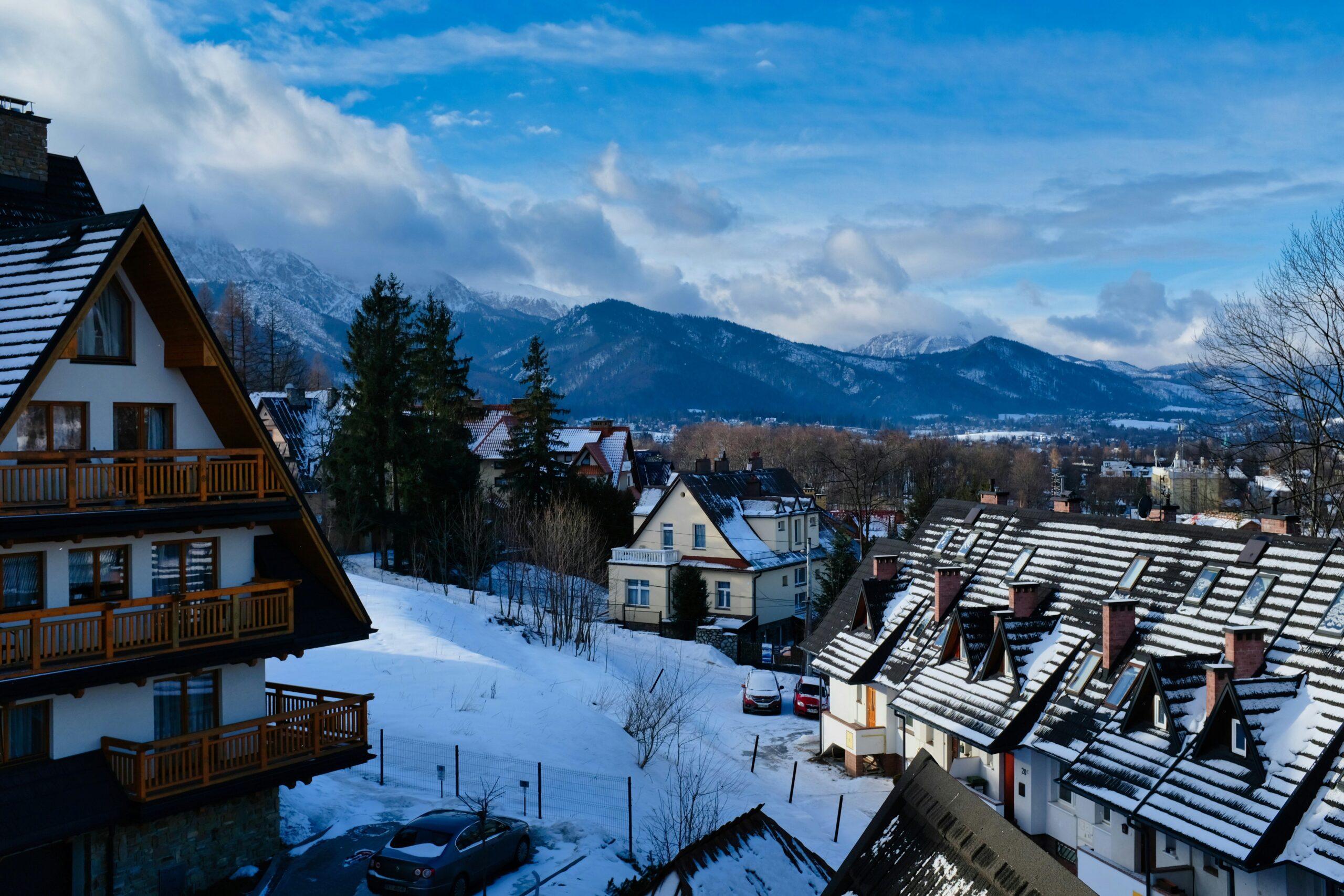
Related Post: Zakopane Travel Guide: Poland’s Winter Wonderland
Hungary: Thermal Baths and High Return on Experience
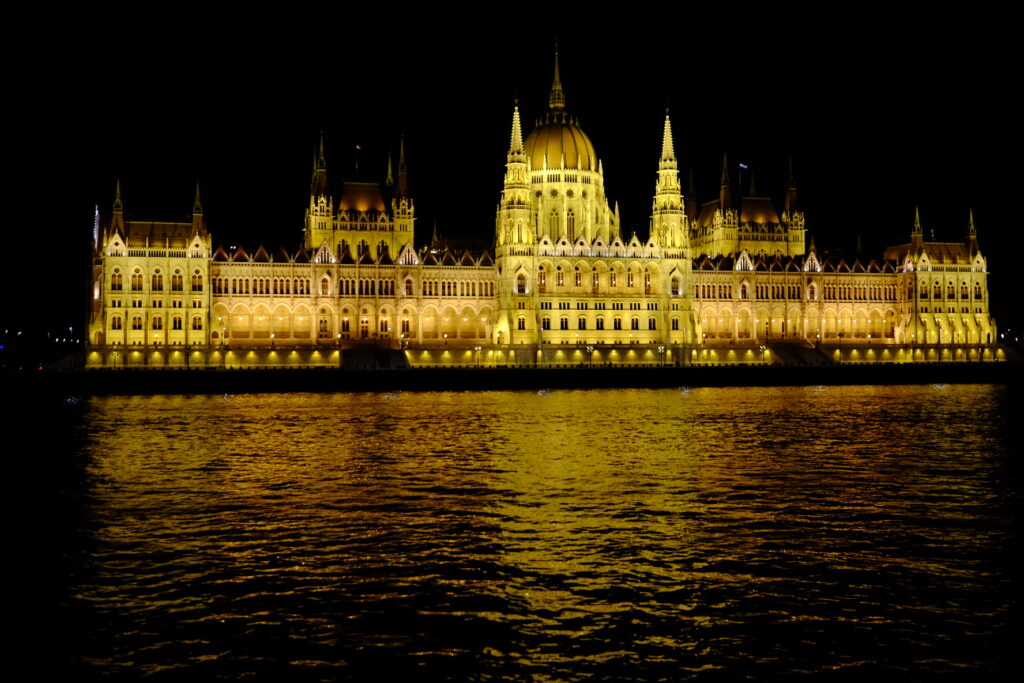
Budapest might be one of the highest “aesthetic-to-cost” ratios in Europe.
Parliament reflections across the Danube at night. Thermal bath afternoons. Ruin bar evenings in converted courtyards. All accessible without inflated pricing.
Monthly rentals outside the tourist core remain reasonable. Public transport passes are inexpensive. Cafés are laptop-friendly, and WiFi speeds are reliable.
Ideal stay: 2 to 4 weeks
Daily budget comfort range: €30 to €55
Currency: Hungarian forint
Profile match: Digital nomads and creative professionals who value visual inspiration and nightlife balance.
Romania: Wild Landscapes and Low Overheads
Romania feels less curated and more authentic in texture.
Bucharest mixes Belle Époque facades with bold communist-era buildings. Brașov offers mountain air and medieval charm. Transylvania delivers forests, castles and long scenic drives.
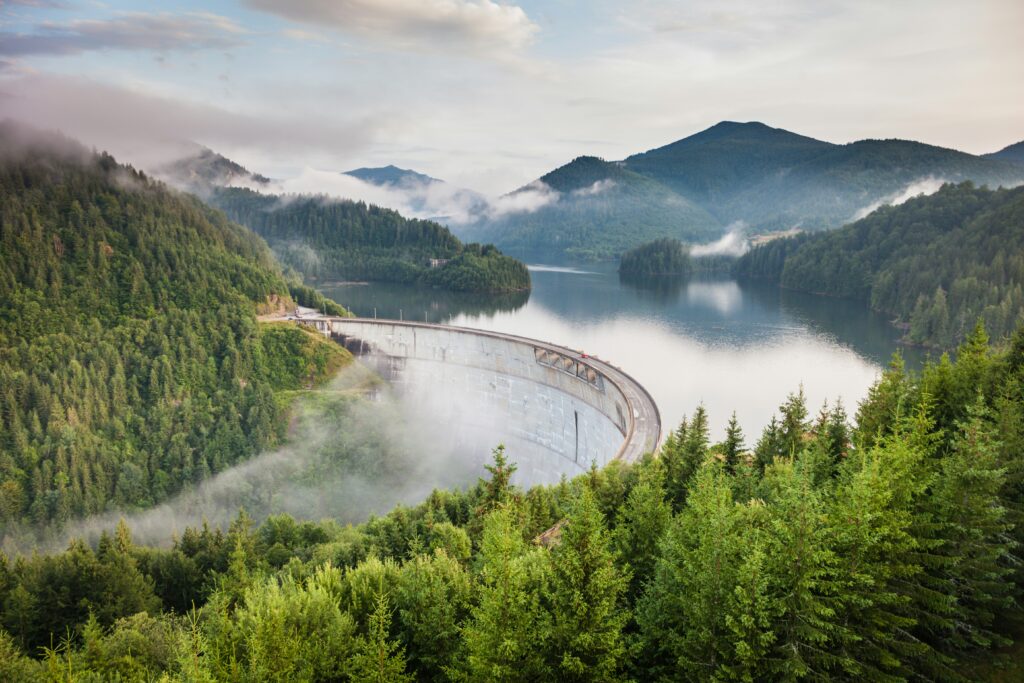
Costs remain some of the lowest in the European Union. Trains are inexpensive. Food portions are generous. Hiking in the Carpathians costs nothing beyond effort and time.
Ideal stay: 10 to 21 days
Daily budget comfort range: €25 to €50
Currency: Romanian leu
Profile match: Travelers drawn to nature, folklore and slower rhythms.
Czech Republic: Beauty With Strategic Planning
Prague is no longer a secret. It is busy and popular. But it remains relatively affordable compared to Western Europe if you avoid staying directly in the Old Town.
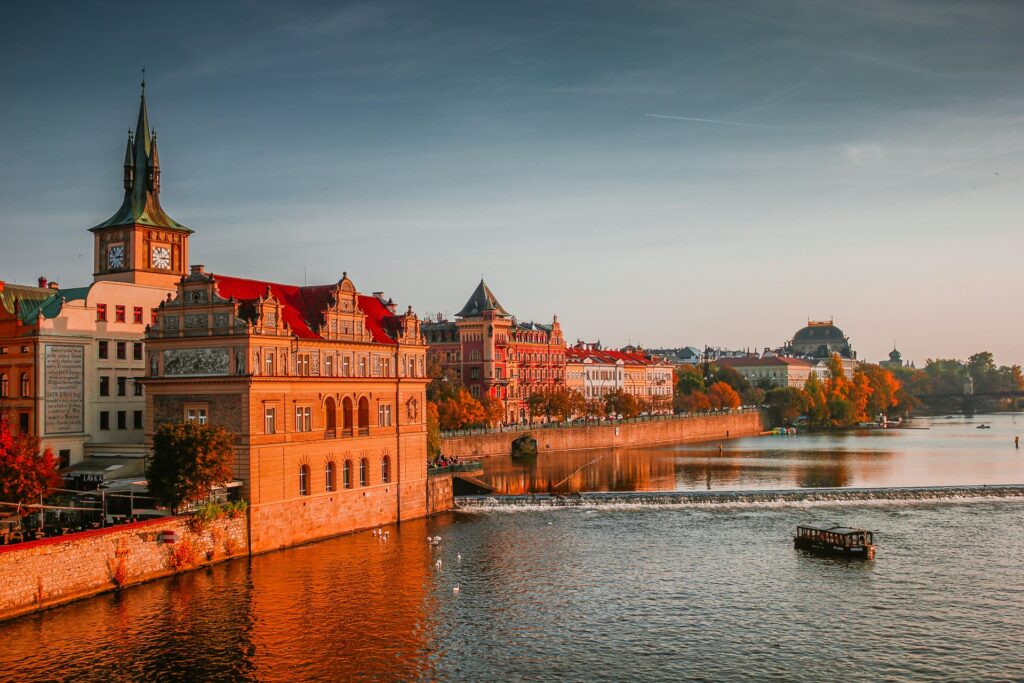
Stay in residential neighborhoods. Use public transport. Explore smaller cities like Brno for even better value.
Beer culture keeps social life affordable. Architecture alone justifies the trip.
Ideal stay: 5 to 10 days
Daily budget comfort range: €40 to €70
Currency: Czech koruna
Profile match: First-time Europe visitors seeking classic beauty without Paris-level pricing.
The Balkans: Europe’s Most Underrated Economic Advantage
The Balkans combine Mediterranean scenery, Ottoman influence and layered modern history. Prices here are among the lowest in Europe.
Albania: The Riviera Without the Premium
The Albanian Riviera offers turquoise water and dramatic cliffs at a fraction of Greek island costs.
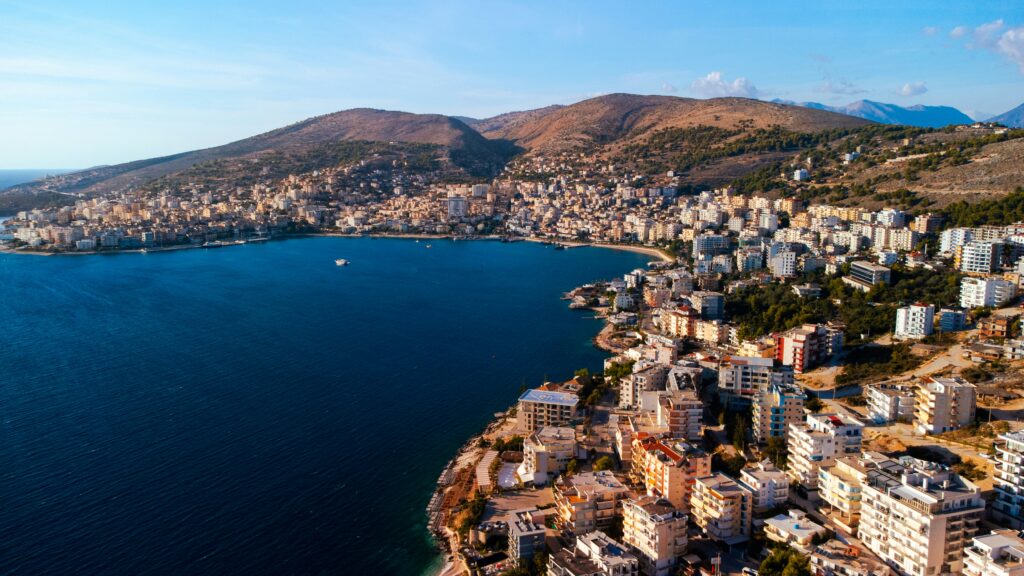
Infrastructure is improving rapidly. Family-run guesthouses dominate, keeping hospitality personal and affordable. Tirana, the capital, has developed a lively café and startup culture, making it interesting for short remote work stints.
Ideal stay: 10 to 14 days
Daily budget comfort range: €25 to €45
Currency: Albanian lek
Profile match: Beach seekers who prefer emerging destinations over polished resorts.
Bosnia and Herzegovina: Reflection and Affordability
Sarajevo invites conversation. Coffee culture is slow and meaningful. History is not hidden, it is present.
Mostar, with its iconic bridge, is compact and atmospheric. Accommodation and meals are inexpensive. The emotional depth of the place is what lingers.
Ideal stay: 5 to 10 days
Daily budget comfort range: €25 to €45
Currency: Convertible mark
Official tourism reference: https://www.bhtourism.ba
Profile match: Thoughtful travelers drawn to complex narratives.
Serbia: Creative Pulse at Low Cost
Belgrade has a raw creative energy. Floating river clubs. Underground art spaces. Cafés filled with freelancers.
Longer-term rentals remain competitive. English is widely spoken among younger locals.
Ideal stay: 2 to 4 weeks
Daily budget comfort range: €30 to €50
Currency: Serbian dinar
Official tourism information: https://www.serbia.travel
Profile match: Social travelers and entrepreneurs seeking emerging scenes.
Bulgaria and Turkey: Strategic Extensions
Bulgaria remains one of the European Union’s most affordable countries. Sofia combines Roman ruins and mountain proximity. Plovdiv offers artistic charm. The Black Sea coast provides summer beach options without Mediterranean pricing.
Turkey, straddling Europe and Asia, offers remarkable value due to currency fluctuations. Istanbul delivers cultural density at manageable costs. Cappadocia feels surreal yet accessible compared to many Western European boutique destinations.
Official tourism portals: https://bulgariatravel.org and https://goturkiye.com
Smart Tactics for Navigating Cheap Destinations in Europe
Travel in shoulder seasons. Spring and autumn dramatically reduce accommodation costs.
Use low-cost airlines like Ryanair and Wizz Air for intercity hops. Book directly via their official platforms and travel light to avoid baggage fees.
For trains and buses, comparison platforms like Omio can simplify route planning across borders.
Accommodation platforms such as Booking and Airbnb often provide weekly and monthly discounts, especially outside peak summer.
Eat where locals eat. Markets and bakeries stretch budgets further than tourist-facing restaurants.
For insurance, providers such as SafetyWing and World Nomads cater specifically to long-term and remote workers.
How Much Should You Budget Monthly?
For a comfortable, balanced lifestyle in many of these destinations:
• Accommodation: €400 to €900
• Food: €200 to €350
• Transport: €40 to €80
• Experiences and leisure: €150 to €300
Total monthly estimate: €900 to €1,500 depending on city and lifestyle.
That figure is often lower than rent alone in major Western European capitals.
What to Pack and Plan For
Bring layers. Eastern Europe has distinct seasons.
Comfortable walking shoes matter more than formal attire.
SIM cards are inexpensive and widely available.
Cash is still useful in smaller towns, although cards are accepted in cities.
If you plan extended stays, consider short-term apartment rentals rather than hotels. Many landlords are open to negotiation for 30-day bookings.
Who Benefits Most From These Cheap Destinations in Europe?
Travelers who see experience as investment.
Remote workers optimizing cost without sacrificing culture.
Entrepreneurs scouting emerging markets.
Creatives seeking stimulation beyond predictable capitals.
These destinations are not about luxury branding. They are about immersion, margin and momentum.
When your daily cost drops, your curiosity expands. You stay longer. You learn more. You connect differently.
Europe does not have to be financially intimidating. In the right regions, it becomes accessible, textured and strategically smart.
Travel well. Spend wisely. Stay long enough for the place to change you.
Related Post: The Complete Schengen Visa Guide: Navigate Europe Like a Pro