Things to Do in Kansas City Between World Cup 2026 Games: BBQ, Jazz and the American Heartland Most Travelers Miss
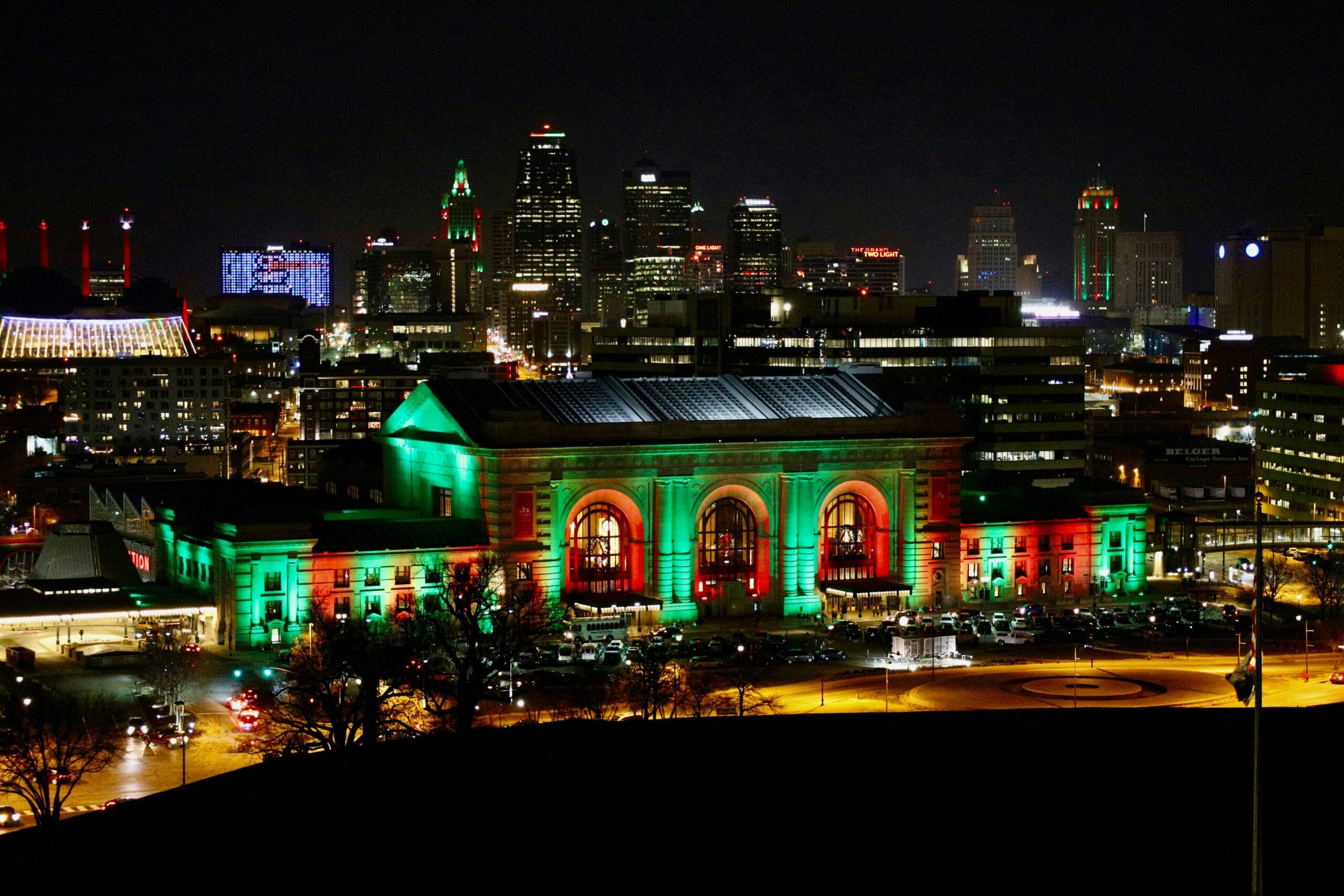
Things to do in Kansas City between World Cup 2026 games are the kind of discovery that changes how fans think about the tournament after they leave. Arrowhead Stadium hosts 6 matches during the tournament, including USA vs Uruguay on June 17, Croatia vs Brazil on June 23 and a Round of 16 on July 8. Kansas City is the smallest metro area among the US host cities, which is precisely what makes it interesting: a city of 500,000 people that punches far above its size in barbecue, jazz history, architecture and the kind of neighborhood food culture that develops when a city is not primarily organizing itself around tourism.
Most international fans arriving here will have done so because the draw put their team in this group. They will leave having found one of the most genuinely surprising cities in the American interior, a place where the food is as serious as anywhere in the country, the jazz history is foundational rather than decorative, and the Great Plains begin at the western edge of town in a landscape that looks nothing like anywhere else in North America.
Getting to Arrowhead Stadium
Arrowhead Stadium sits at One Arrowhead Drive in eastern Kansas City, Missouri, adjacent to Kauffman Stadium in the Truman Sports Complex. There is no direct light rail or subway connection from downtown to the stadium; this is one of the few World Cup venues where a car or rideshare is genuinely the only practical option for most fans.
Uber and Lyft operate reliably in Kansas City; surge pricing after the final whistle is standard at all large venues. Walk away from the stadium before opening the app. Rental cars are the most flexible option for fans planning to explore the city and surrounding area. Book through Rentalcars.com well in advance; tournament-period rates across all host cities have risen and Kansas City’s smaller rental fleet means inventory tightens faster than in larger cities.
The Kansas City Streetcar runs a 2.2-mile route along Main Street through downtown and the River Market district, free of charge, and covers the most walkable part of the city center. It does not reach the stadium.
The Jazz District: 18th and Vine
The intersection of 18th Street and Vine Avenue in Kansas City holds a place in American music history that most visitors do not anticipate finding in the middle of Missouri. Between 1920 and 1940, Kansas City developed a style of jazz built on riff-based improvisation and blues-inflected swing that influenced Charlie Parker, Count Basie, Mary Lou Williams and dozens of other musicians who passed through or grew up here. The Blue Room, a jazz club operating inside the American Jazz Museum since 1997, continues to book live jazz on weekends in a basement space that feels right-sized for what it holds.
The American Jazz Museum at 1616 E 18th Street shares a building with the Negro Leagues Baseball Museum, a combination that reflects the historical reality of a city where two of the most significant American cultural institutions developed in the same segregated neighborhood. The Negro Leagues Baseball Museum documents the history of Black professional baseball from 1920 to 1960 with field-level seriousness; the display comparing the careers of Negro Leagues players with their MLB contemporaries is the most affecting single exhibit in the building. Combined admission to both museums is $15.
The surrounding 18th and Vine neighborhood has been rebuilding slowly from decades of disinvestment. The physical infrastructure of what was once called the Black Broadway of the Midwest is still partially present in the architecture along 18th Street; enough remains to understand what the neighborhood was before understanding what it is now.
The Kansas City BBQ Trail
Kansas City barbecue is one of the four major American barbecue traditions and is distinguished from its Texas, Carolina and Memphis counterparts by two things: the variety of meats served (not just pork or just brisket but both, plus burnt ends, ribs, chicken and links) and the sauce, a thick, sweet, tomato-based glaze that is applied as a finishing element rather than a marinade or a substitute for smoke.
The city has over 100 barbecue restaurants. A short list of the ones worth planning around:
Arthur Bryant’s at 1727 Brooklyn Avenue is the oldest and most historically significant. The building has been in the same location since 1930. The sauce recipe has not changed. The sandwiches are served on white bread with a side of fries on wax paper. Calvin Trillin, the food writer who arguably did more than anyone to put Kansas City barbecue on the national map, called it the single best restaurant in the world in 1974. It is not quite that, but the brisket sandwich at $12 is an argument for its own position.
Joe’s Kansas City Bar-B-Que at 3002 W 47th Avenue operates out of a converted gas station in Mission, Kansas, and produces the burnt ends and ribs that most contemporary Kansas City barbecue rankings put at the top. The queue at lunch extends onto the parking lot most days. Arrive at 11am when the doors open or accept the wait.
Q39 on Broadmoor Street is the most accessible of the city’s serious operations for visitors without a car: centrally located, no queue policy, consistent quality. The brisket and the ribs both hold up.
Burnt ends are the Kansas City original contribution to American barbecue: the point end of a beef brisket, twice-smoked until the exterior caramelizes into a crisp, fatty cube of concentrated smoke and beef flavor. They appear on menus across the city and are the one dish that no other barbecue tradition produces in the same way.
The Nelson-Atkins Museum of Art
The Nelson-Atkins Museum of Art at 4525 Oak Street is one of the most serious general art museums in the United States and one of the least known outside of the region. Admission is free.
The collection covers ancient Egyptian, Asian, European and American art across a main building opened in 1933 and the Bloch Building, a Steven Holl-designed addition from 2007 that handles natural light in ways that change the experience of the galleries throughout the day. The Chinese art collection is one of the strongest outside of Asia; the European paintings include significant works from El Greco, Caravaggio and Titian. The sculpture park outside the Bloch Building holds Claes Oldenburg’s Shuttlecocks installation, four oversize badminton shuttlecocks placed around the south lawn as if mid-game, which has been photographed more than any other work in the museum’s collection.
The surrounding Museum Hill neighborhood holds the Kansas City Art Institute, the Kemper Museum of Contemporary Art (free admission) and a stretch of 45th Street with independent restaurants and coffee shops that operate for the neighborhood rather than for visitors.
Day Trip: The Flint Hills
Forty miles west of Kansas City on the I-70, the Flint Hills begin. The tallgrass prairie that once covered 170 million acres of North America now exists in less than four percent of its original range; the Flint Hills hold the largest remaining tract of it in the world, approximately 4,000 square miles of unplowed grassland that has survived because the rocky chert soil beneath it broke the steel plows of 19th-century farmers.
The Tallgrass Prairie National Preserve near Strong City protects 11,000 acres of this landscape and is managed jointly by the National Park Service and the Nature Conservancy. The Bottomlands Trail and the Scenic Overlook Trail are each under 2 miles and provide access to the unobstructed prairie horizon that characterized the Great Plains before the grid of farms and roads covered most of it. In June and July, the grassland holds Eastern meadowlarks, upland sandpipers and the large bison herd that has been reintroduced to the preserve.
The drive from Kansas City to the Flint Hills takes about an hour and passes through the Kaw River valley. A rental car is required; there is no public transport. The preserve entrance is free. Check nps.gov/tapr before visiting for current trail conditions.
The River Market and Local Food Scene
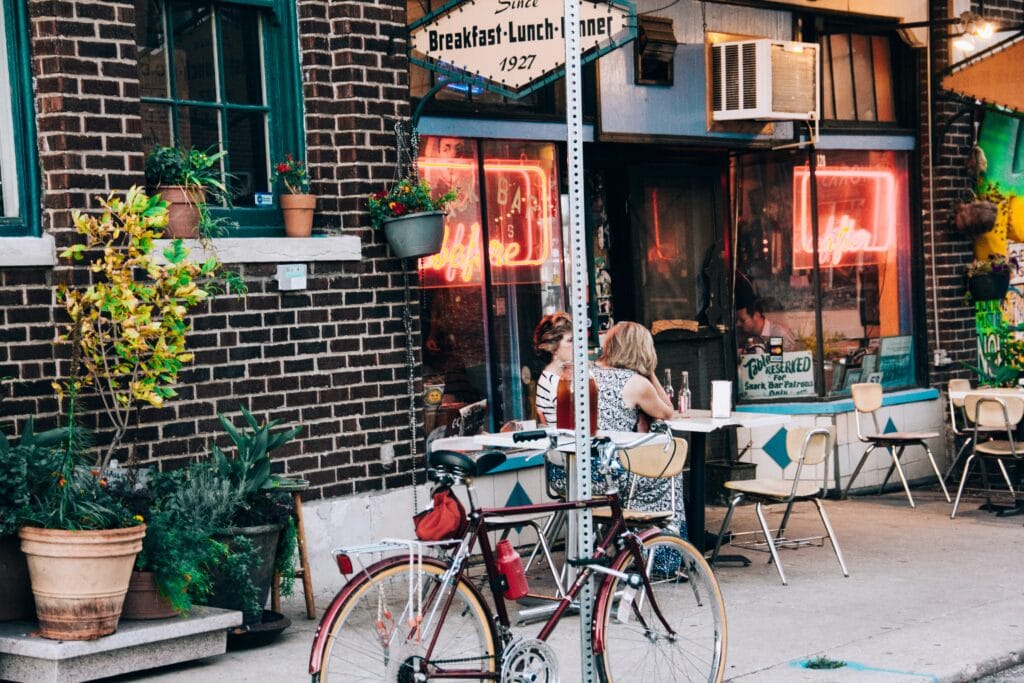
The River Market neighborhood north of downtown along the Missouri River holds the city’s oldest public market, City Market at 5th and Walnut, operating since 1857. Weekend farmers markets run year-round on Saturday mornings with regional produce, specialty foods and local vendors. The surrounding blocks hold a concentration of international restaurants that reflects the city’s Somali, Vietnamese, Mexican and Sudanese communities in the neighborhood’s northern reaches.
For a single meal that captures Kansas City’s current food ambitions outside of barbecue: Corvino Supper Club and Tasting Room on East 9th Street runs a seasonal tasting menu in a former industrial space that represents where the city’s fine dining has arrived. Port Fonda on Westport Road serves Oaxacan-influenced Mexican cooking at a level that surprises visitors expecting Tex-Mex. Waldo Pizza on Wornall Road has been the neighborhood standard since 1980 and operates more as a local institution than a pizza concept.
Practical Notes for World Cup Fans in Kansas City
Getting around: Kansas City is fundamentally a car city. The streetcar covers downtown only. For Arrowhead Stadium, the Jazz District, the barbecue trail and the Flint Hills, a rental car or rideshare is required. Uber and Lyft operate reliably throughout the metro.
Accommodation: Kansas City is one of the most affordable World Cup host cities at around $220 per night for mid-range properties. The Country Club Plaza and Westport neighborhoods offer the best combination of location and quality. Downtown properties provide the most direct access to the streetcar and River Market. Booking.com and Airbnb have solid inventory at prices that compare favorably to every other US host city.
Weather: Kansas City in June and July is hot, typically 32 to 36 degrees Celsius with humidity that reflects the city’s position in the Missouri River valley. Afternoon thunderstorms arrive and clear quickly. The Flint Hills run a few degrees cooler than the city and catch the wind off the open plains in a way that makes outdoor walking more comfortable than it sounds.
Connectivity: Airalo for US eSIM before arrival.
Plan Your Kansas City Days
The Traveneur Trip Planner builds a complete Kansas City itinerary around your travel style in two minutes. Budget Backpacker, Independent Traveler, Comfort Seeker or Adventure Traveler: same city, different priorities, different trip.
The City That Feeds You and Surprises You
Kansas City will be the most unexpected stop on the tournament for a significant portion of its international visitors. The city doesn’t have the cultural profile of New York, the landscape of Seattle, or the historical weight of Philadelphia. What it has is food that is taken seriously by the people who make it and the people who eat it, a jazz history that shaped American music in ways still audible today, a free art museum that holds its own against anything in New York, and 40 miles west, a landscape that has no equivalent anywhere else in the tournament. Fans who engage with those things rather than waiting for the next match will find a city that rewards the attention.
Official Kansas City tourism: visitkc.com. American Jazz Museum: americanjazzmuseum.org. Nelson-Atkins Museum: nelson-atkins.org. Match schedule: fifa.com/worldcup.