Things to Do in Guadalajara Between World Cup 2026 Games: Tequila Country, Colonial Towns and the Mexico Most Fans Won’t Expect
Things to do in Guadalajara between World Cup 2026 games put fans in the middle of a Mexico that the international tourism circuit has been slow to cover properly. Estadio Akron hosts 6 matches during the tournament, including Spain vs Morocco on June 14, Uruguay vs Portugal on June 21 and a Round of 16 on July 6. Guadalajara is Mexico’s second-largest city, with 5 million people in the metropolitan area, and operates with the confidence of a place that has never needed to compete with Mexico City for attention. It has its own food, its own music, its own pace and a surrounding region that contains, within two hours in any direction, some of the most culturally significant landscapes in the country.
Mariachi music was born here. Tequila, the town and the drink, sits 60 kilometers northwest. The Lake Chapala basin, the largest natural lake in Mexico, stretches 45 kilometers east. The colonial town of Tlaquepaque, absorbed into the metropolitan area but still operating as its own village, holds the country’s most concentrated craft market. Most World Cup fans arriving in Guadalajara will have come for the football. The ones who look around will find one of the most rewarding cities in Mexico to spend a week in.
Getting to Estadio Akron
Estadio Akron sits at Av. de las Rosas 2727 in Zapopan, on the northwestern edge of the metropolitan area. The Guadalajara Metro Line 1 connects to the Periférico Norte station, from which a match-day shuttle covers the remaining distance. Line 3, the most recently opened, runs northwest from the city center and reaches Zapopan more directly.
A single Metro ride costs 10 pesos ($0.60). Uber operates across the metro area at $3 to $7 for most city-center trips. Post-match rideshare surge is standard near the stadium; walk toward Av. Vallarta before requesting a pickup.
The Historic Center: Tapatío Culture at Ground Level
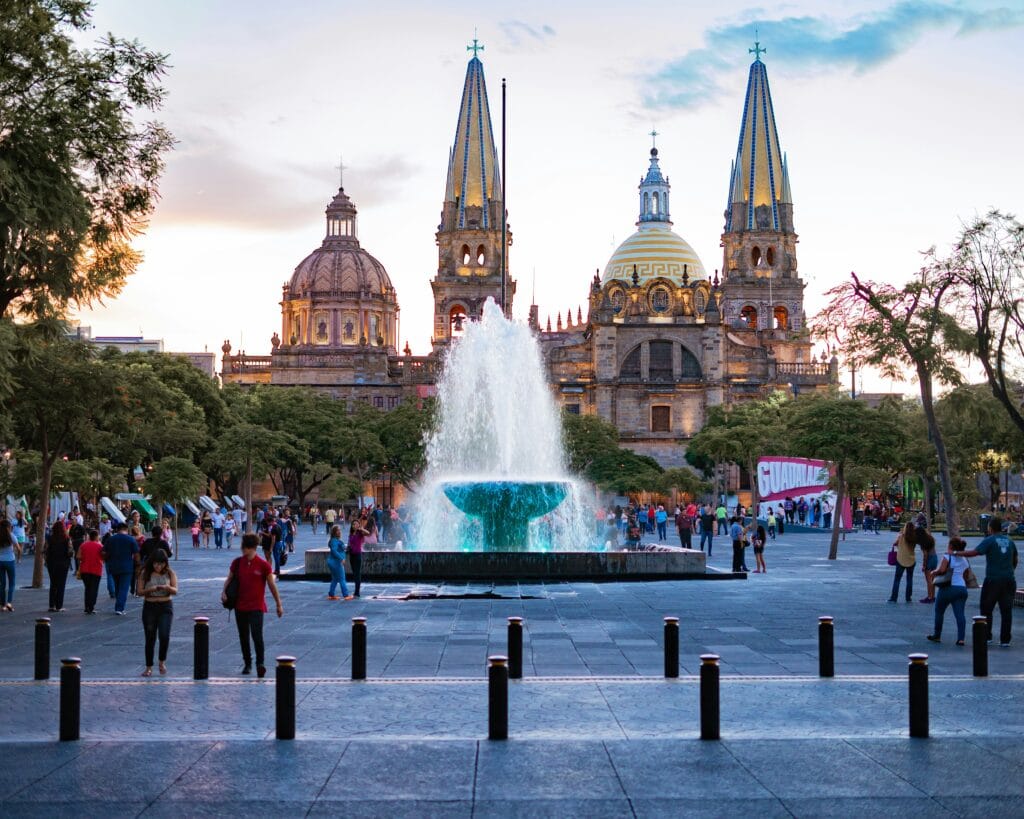
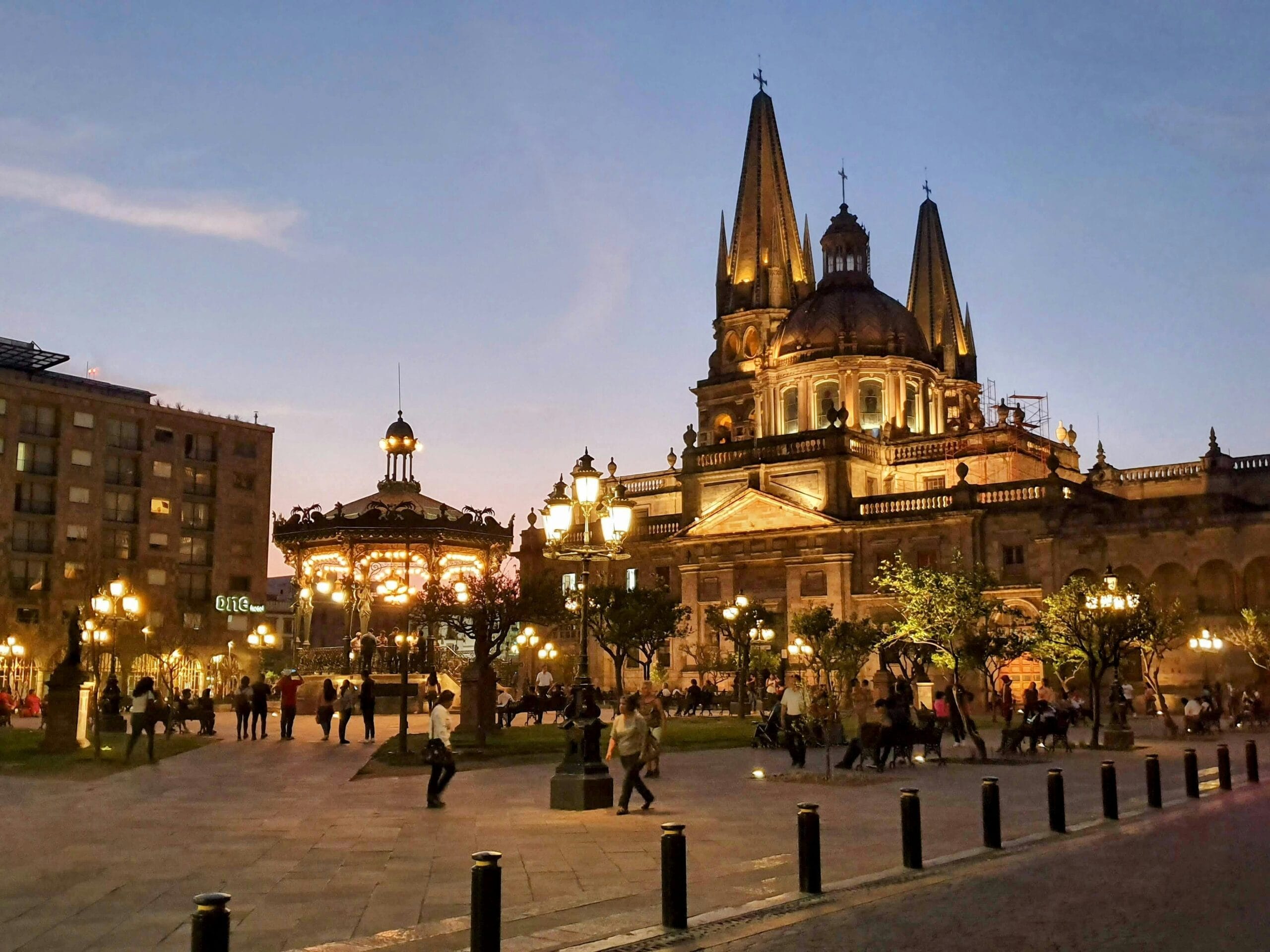
Guadalajara’s historic center covers a compact grid of plazas, churches and government buildings that reflect the city’s foundation in 1542 and its subsequent growth as the capital of New Spain’s western territories. The Plaza de Armas, flanked by the Cathedral and the Palacio de Gobierno, anchors the center. Inside the Palacio, José Clemente Orozco’s mural of Miguel Hidalgo, painted in 1937, covers the stairwell ceiling in a way that requires standing at the base of the stairs and looking up to understand its scale. Orozco was born in Jalisco and his work appears throughout the city in a concentration that makes Guadalajara one of the most important Mexican muralism destinations in the country.
The Instituto Cultural Cabañas at Hospicio Cabañas 8, a UNESCO World Heritage Site, is a 19th-century orphanage whose chapel ceiling holds Orozco’s Man of Fire, considered his masterpiece. The building now operates as a cultural center with rotating exhibitions. Admission is 80 pesos ($5); free on Tuesdays.
The Mercado San Juan de Dios at Javier Mina 56 is the largest covered market in Latin America, a three-story building that sells everything from fresh produce and prepared food on the ground floor to electronics, clothing and handicrafts on the upper levels. The birria stalls on the ground floor serve the Jalisco original: slow-braised goat or beef in a chile-and-spice broth, served in a bowl or in tacos with the consommé on the side for dipping. Birria de chivo at 60 to 80 pesos per serving is the morning standard.
Tlaquepaque: The Craft Town the City Absorbed
San Pedro Tlaquepaque sits 8 kilometers southeast of the historic center and was an independent town of artists and craftspeople before Guadalajara’s growth reached its edges. The town center retains its original scale and character: pedestrian streets lined with galleries, talavera ceramic shops, blown-glass studios, leather workshops and silver jewelry vendors in buildings that have been in continuous commercial use for over a century.
The Museo Regional de la Cerámica at Independencia 237 documents the history of Jalisco’s ceramic traditions in a 19th-century house. Entry is free. The surrounding streets hold both production studios where you can watch pieces being made and retail operations that ship internationally.
El Parian, a covered market of cantinas on the central square, has been serving mariachi and beer in the same configuration since 1883. Order a cantarito (a clay cup filled with tequila, citrus juice and grapefruit soda) and stay until the next band starts. The cantaritos cost 60 to 80 pesos. The mariachi sets are not scheduled; they begin when they begin.
Tlaquepaque is accessible by Uber from the city center in about 20 minutes, or by the TUR bus from Av. Niños Héroes in the historic center.
Day Trip: Tequila
The town of Tequila sits 60 kilometers northwest of Guadalajara on the Autopista 15, an hour by car or 2.5 hours by the José Cuervo Express train. The surrounding landscape, designated a UNESCO World Heritage landscape in 2006, covers the blue agave fields and distillery towns of the Jalisco Highlands in a stretch that constitutes one of the most distinctive agricultural landscapes in North America: rows of blue-gray agave plants, each one growing for 7 to 12 years before harvest, covering the volcanic hillsides to the horizon.
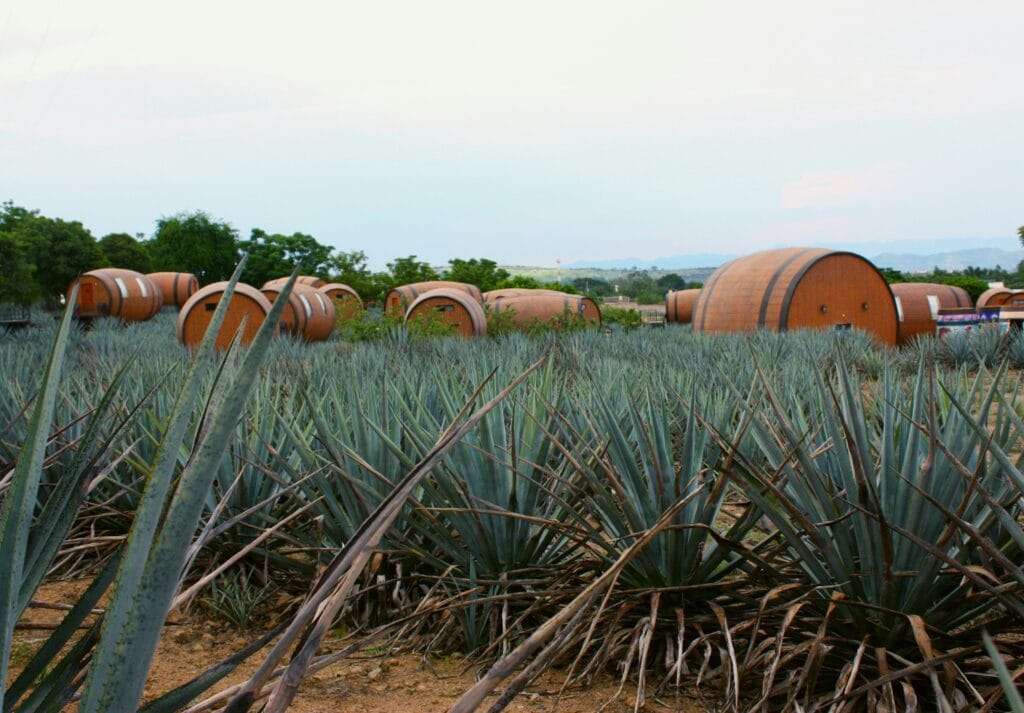
The town of Tequila holds over 100 registered distilleries in and around its center, most of them accessible for tours. Casa Herradura at Amatitán, 20 kilometers before the town, is one of the oldest continuously operating distilleries in Mexico, founded in 1870, and offers a thorough tour of the production process including the original adobe ovens where the piñas are cooked. Tour and tasting packages start at 200 pesos ($12). La Rojeña, the world’s oldest active tequila distillery (1758), operates in the center of town under the Cuervo family and offers tours daily.
The José Cuervo Express departs from Guadalajara’s train station on Fridays, Saturdays and Sundays and includes a round-trip journey, a distillery tour and a tasting. Tickets start at around $50. Book at cuervoexpress.com.mx.
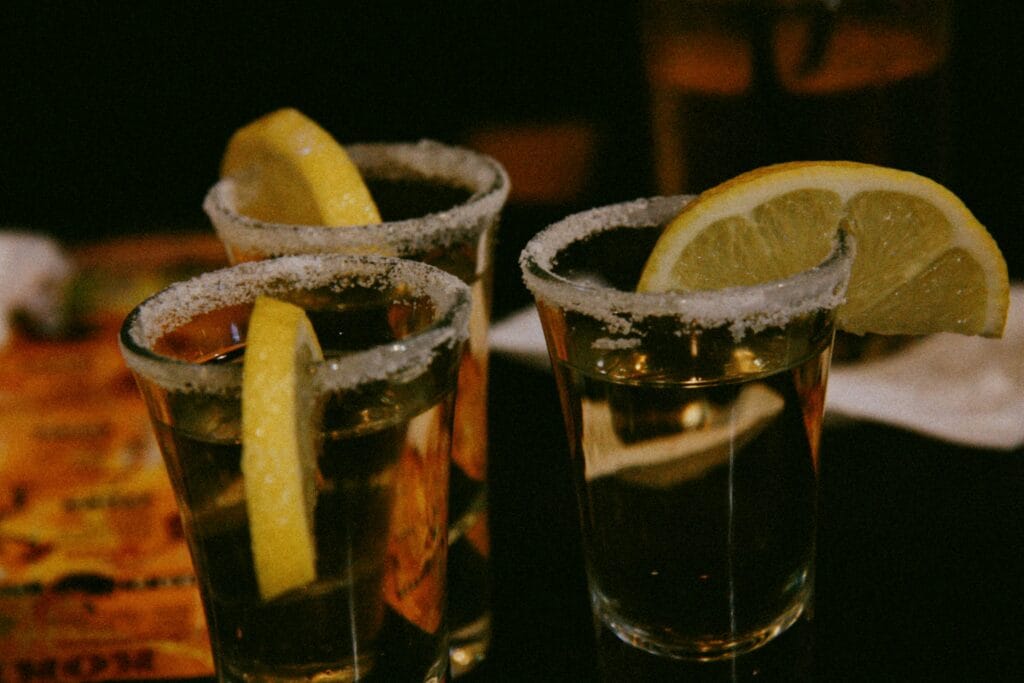
For visitors driving independently, the Ruta del Tequila tourism corridor connects 22 municipalities across the agave-producing highlands. The Consejo Regulador del Tequila website maps the certified distilleries open for visits.
Day Trip: Lake Chapala and Ajijic
Lake Chapala, 45 kilometers south of Guadalajara on the Federal Highway 23, is the largest natural lake in Mexico at 80 kilometers long. The north shore towns of Chapala and Ajijic have been home to a significant North American expat community since the 1960s; the combination of year-round mild climate, low cost of living and the proximity to a major city made the lakeside one of the most established expat zones in Latin America.
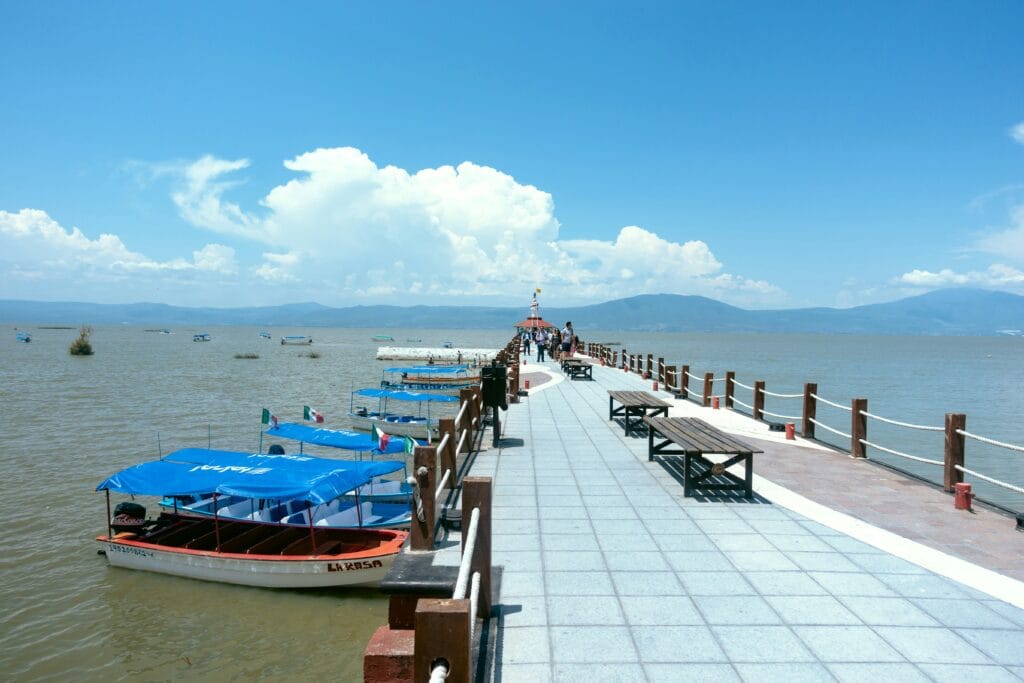
Ajijic, the smaller of the two towns, holds an art colony that has been active since the 1940s. The main street, Calle Morelos, runs from the highway to the malecón along the lake with galleries, restaurants and artisan shops in colonial buildings painted in yellows, blues and terracottas. The lakefront itself, at the end of the street, holds fishing boats, weekend market stalls and the particular quiet of a lake town that has largely decided not to grow further.
The Restaurante La Nueva Posada on Donato Guerra serves Sunday brunch on a garden terrace with a lake view, for around 150 pesos per person. The drive or bus from Guadalajara takes about 45 minutes; buses run regularly from the Antigua Central Camionera.
Guadalajara Food Worth Understanding
Jalisco cuisine has a distinct identity from the rest of Mexico that is worth engaging with rather than treating as interchangeable with Mexican food broadly.
Birria: The Jalisco original is made with goat rather than the beef-heavy versions that have spread globally. Birria de chivo in a clay bowl with fresh tortillas and a stack of limes is the breakfast the city runs on. Birriería Las 9 Esquinas on Colón 384 has been serving it since 1950 in a building on nine historic street corners.
Torta ahogada: A carnitas-filled roll drowned in chile de árbol salsa, served in a clay bowl. It is the most aggressively spiced sandwich in Mexico and the one dish that most identifies Guadalajara to anyone who has eaten their way through the country. Tortas Toño on Mexicalzingo is the city’s most referenced chain, but the market stalls around Mercado Corona serve versions equally as good for half the price.
Pozole: Jalisco-style pozole is white rather than red, made with hominy corn in a clear pork broth and garnished at the table with shredded cabbage, oregano, lime and tostadas. It is served at breakfast and late at night and covers the same restorative function in both contexts.
Practical Notes for World Cup Fans in Guadalajara
Getting around: The Guadalajara Metro covers the historic center, the university district and connections toward Zapopan and Tlaquepaque. Uber operates reliably throughout the metro at some of the lowest fares of any World Cup host city. For Tequila, Lake Chapala and the highland agave routes, a rental car or organized tour is required.
Accommodation: Guadalajara is one of the most affordable host cities in the tournament. Mid-range hotels in the historic center and the Providencia neighborhood run $80 to $150 per night. The Centro and Chapalita neighborhoods offer the best combination of location and price. Booking.com and Airbnb have strong inventory.
Money: Mexican pesos. Carry cash for markets, street food and smaller operations. ATMs are available throughout the city center. Daily costs for a mid-range traveler run $50 to $80 including accommodation, food and transport, making Guadalajara the most affordable World Cup experience outside of the other Mexican host cities.
Weather: Guadalajara sits at 1,560 meters above sea level, which moderates the summer heat considerably compared to the coast. June and July bring the rainy season: warm mornings, cloud build-up through the afternoon and reliable rain between 4pm and 7pm, usually followed by clear evenings. Temperatures run 22 to 28 degrees Celsius. Pack a light rain layer for afternoon activities.
Connectivity: Airalo for Mexico eSIM before arrival. Telcel and AT&T Mexico both have good coverage in the Guadalajara metro area.
Plan Your Guadalajara Days
The Traveneur Trip Planner builds a complete Guadalajara itinerary around your travel style in two minutes. Budget Backpacker, Independent Traveler, Comfort Seeker or Adventure Traveler: the same region, four different trips.
The Mexico That Invented Its Own Exports
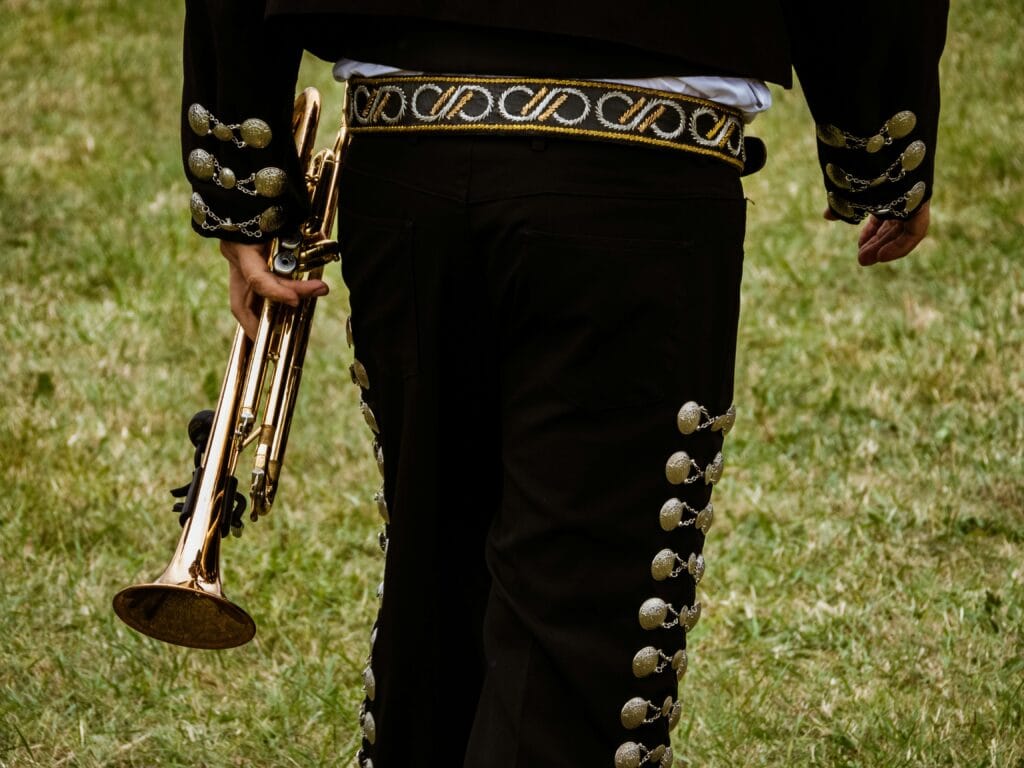
Guadalajara gave Mexico mariachi and tequila, two of the country’s most globally recognized cultural exports, and has been remarkably unfazed by their success. The city continues to operate on its own terms: a culture of craft, food and music that developed from local ingredients and local conditions and that still functions most naturally in the markets, the distilleries and the cantinas where it was made. World Cup fans who come for the football and stay for the birria, the agave fields and the cantarito at El Parian will leave with the kind of specific, local knowledge about a place that travel, at its best, is supposed to produce.
Official Guadalajara tourism: visitguadalajara.com. José Cuervo Express: cuervoexpress.com.mx. Tequila regulatory council: crt.org.mx. Match schedule: fifa.com/worldcup.