Things to Do in Seattle Between World Cup 2026 Games: Rain, Mountains and the Pacific Northwest Worth Finding
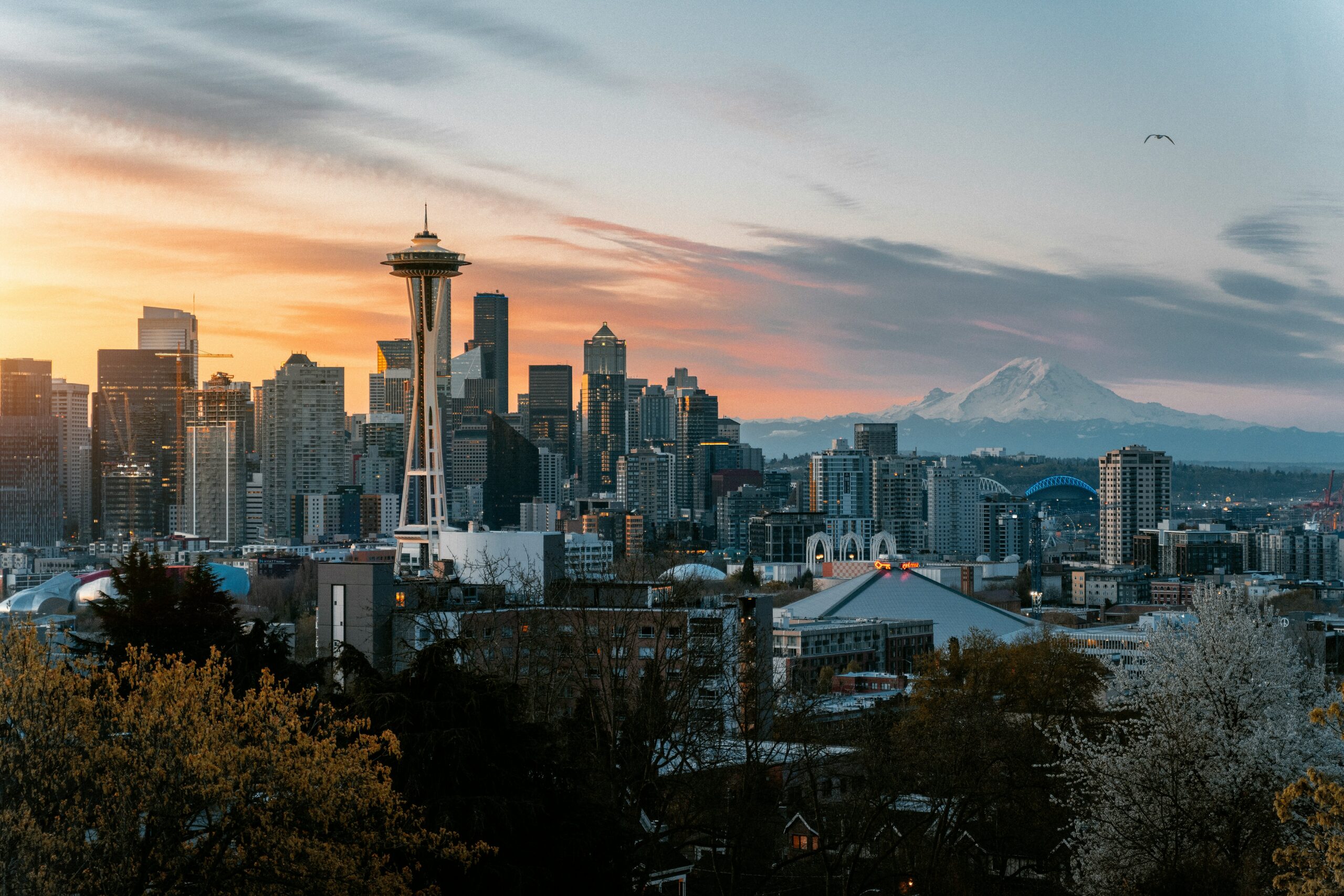
Things to do in Seattle between World Cup 2026 games open up a region that most international fans have no reference point for. Lumen Field hosts 6 matches during the tournament, including USA vs Jamaica on June 14, Belgium vs Brazil on June 21 and a Round of 16 on July 8. The stadium sits in the SoDo neighborhood a 15-minute walk from downtown, making it one of the most transit-accessible venues in the entire tournament. What surrounds it, across western Washington and into British Columbia, is the kind of landscape that makes people who visit once come back repeatedly: old-growth forest within city limits, a mountain range visible from the waterfront, ferry routes to islands that feel nothing like the mainland, and a cross-border day trip to Vancouver that most fans don’t realize is 2.5 hours north by train.
Seattle itself is a city that has absorbed an enormous amount of wealth from the technology industry without losing the particular Pacific Northwest character that made it worth living in before the money arrived: an outdoor culture that is genuinely practiced rather than performed, a coffee culture that started here before it went global, a market that has been running on the same waterfront for over a century, and a neighborhood food scene that reflects the city’s significant Asian-American population in ways that most visitors never find.
Getting to Lumen Field
Lumen Field sits at 800 Occidental Ave S in the SoDo neighborhood, directly accessible by the Link Light Rail’s 1 Line from downtown Seattle and the airport. Stadium Station is a 2-minute walk from the gates. A single Link ride from Westlake Station in downtown costs $2.25 to $3.25 depending on distance; from SeaTac Airport the fare is $3.25 and the journey takes about 40 minutes. Tap an ORCA card or contactless payment at the turnstiles.
Post-match, the platform fills quickly; trains run frequently and the system handles large crowds efficiently. This is one of the few World Cup venues in the tournament where transit genuinely outperforms every alternative.
Pike Place Market: Before 9am or Not at All
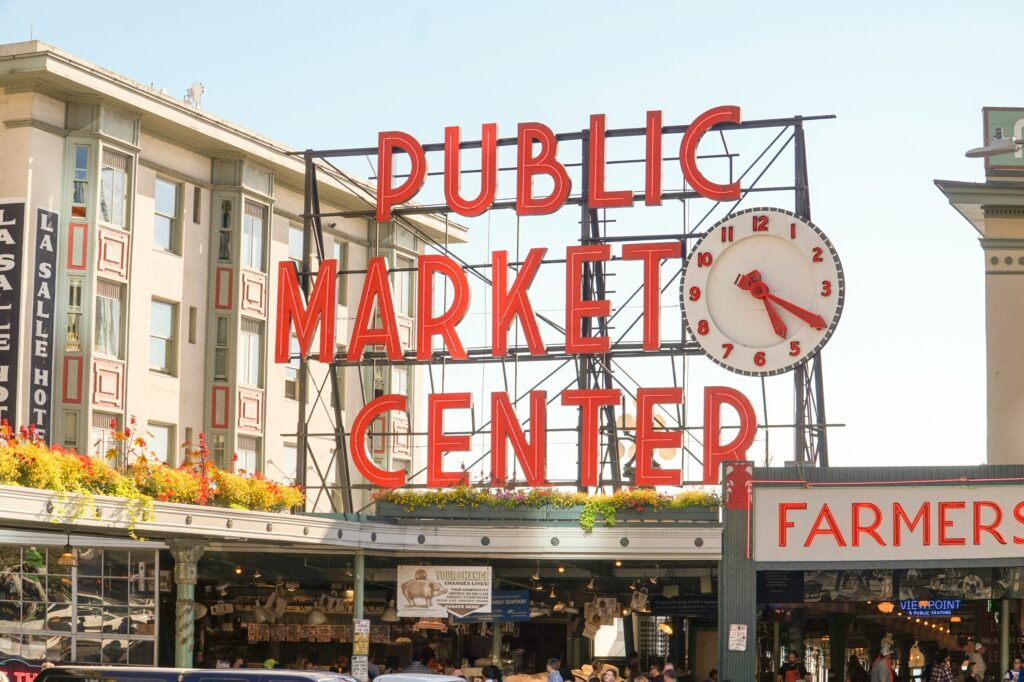
Pike Place Market at 1st Avenue and Pike Street has been operating on the Seattle waterfront since 1907. It is the oldest continuously operating farmers market in the United States and, between 10am and 3pm on a summer weekend, it is also one of the most crowded places in the city. The fish-throwing at Pike Place Fish Market is real; the queue to photograph it is long.
Come at 7:30am. The market opens at 6am for the flower vendors, 7am for the fish and produce, and the first 90 minutes belong almost entirely to restaurant chefs doing their morning purchasing and locals who have been shopping here for decades. The difference in experience between 8am and 11am at Pike Place is the difference between seeing the market function and seeing the market perform.
Piroshky Piroshky on Pike Street opens at 7am and produces Russian pastries that have been the market’s most consistent queue since 1992. The Three Girls Bakery counter, operating since 1912, serves sandwiches to the city’s early-morning workers. The Athenian Inn, which makes a brief appearance in the film Sleepless in Seattle, serves breakfast from 6:30am with a view of Elliott Bay.
Capitol Hill: The Neighborhood That Runs the City’s Culture
Capitol Hill sits on a ridge east of downtown and is the neighborhood where Seattle’s music scene, LGBTQ+ community, independent restaurants and nightlife have been concentrated since the 1980s. It is also the neighborhood where the city’s most significant recent political moment occurred: the 2020 Capitol Hill Autonomous Zone occupied several blocks for three weeks and left a physical and cultural mark that the neighborhood has been processing since.
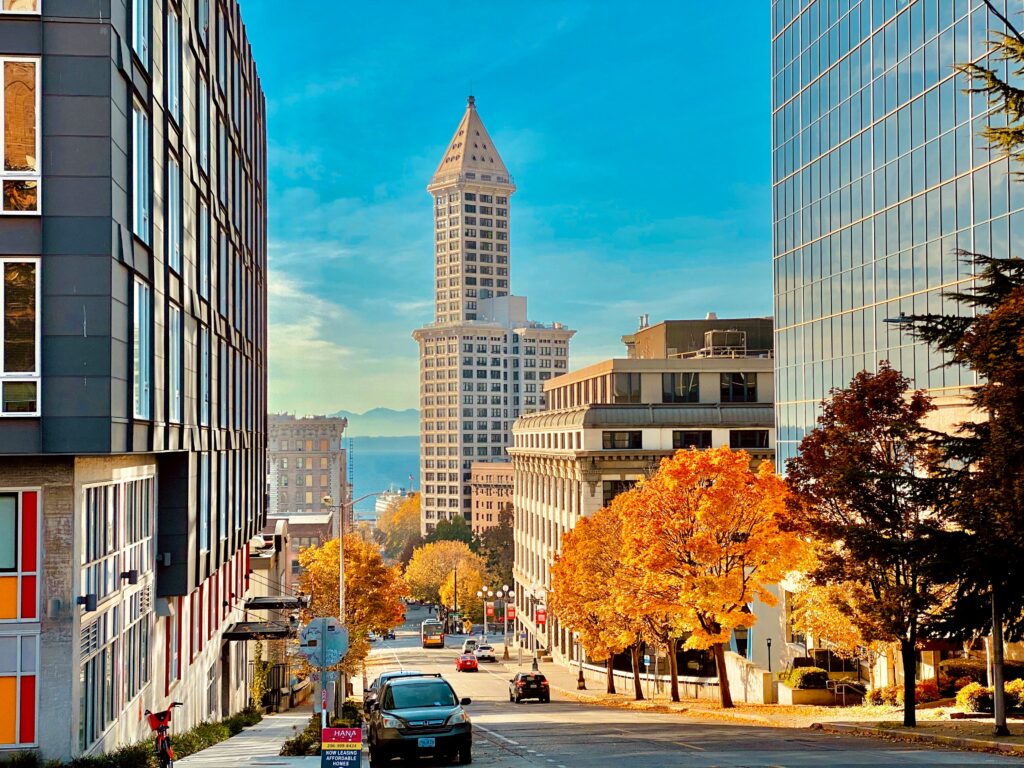
Broadway Avenue and Pike/Pine corridors are where the density is highest. Linda’s Tavern on Pine Street has been the neighborhood’s reference point bar since 1994 and is where Kurt Cobain was last seen in public. Rhein Haus on Broadway serves German food and bocce ball in a converted auto shop. For coffee, Victrola Coffee on Pike Street is the neighborhood’s independent anchor in a city where the word “coffee” carries more weight than in most places.
For food more broadly, the stretch of 12th Avenue between Pike and Madison holds some of the city’s most interesting independent restaurants: Monsoon, a long-running Vietnamese restaurant serving Northern Vietnamese cooking at a level most Vietnamese restaurants in the city don’t attempt; Ba Bar, from the same team, more casual and excellent for pho. The 12th Avenue corridor has been building quietly for years and remains genuinely neighborhood rather than destination dining.
The International District and Uwajimaya
Seattle’s International District, south of downtown along South Jackson Street, holds the city’s Japanese, Chinese, Vietnamese and Filipino communities in a neighborhood that has existed since the 19th century and survived the forced internment of Japanese-American residents during World War II to become one of the most historically layered urban spaces in the Pacific Northwest.
Uwajimaya at 600 5th Avenue S is the anchor: a Japanese supermarket and Asian grocery covering a full city block, selling everything from fresh sashimi-grade fish and Japanese snacks to Korean kimchi and Vietnamese herbs. The food court inside the building serves Japanese, Korean, Chinese and Vietnamese food at prices that reflect a neighborhood grocery rather than a food hall. Worth an hour regardless of whether you buy anything.
The Wing Luke Museum at 719 S King Street documents the history of Asian-American communities in the Pacific Northwest with a specificity and community ownership that distinguishes it from most ethnic history museums. Entry is $22; free on the first Thursday of the month.
Day Trip: Olympic Peninsula and Hurricane Ridge
The Olympic Peninsula across Puget Sound from Seattle holds one of the most ecologically diverse national parks in the country. Olympic National Park covers 922,000 acres and contains three distinct ecosystems within its boundaries: Pacific coastline, temperate rainforest and alpine terrain above the tree line.
The Washington State Ferry from Colman Dock at the downtown Seattle waterfront to Bainbridge Island takes 35 minutes and costs $9.85 for a foot passenger. From Bainbridge, a bus or rental car covers the 70 miles to Port Angeles at the north edge of the park. Hurricane Ridge, 17 miles south of Port Angeles on a paved mountain road, rises to 5,242 feet and provides a panoramic view of the Olympic Mountains and, on clear days, Vancouver Island to the north. The meadows below the ridge road hold black-tailed deer that have largely stopped being impressed by human visitors.
The Hoh Rain Forest on the park’s west side, accessible only by car, receives 12 to 14 feet of rain annually and produces the most biologically dense temperate rainforest outside of the Southern Hemisphere. The Hall of Mosses Trail, a 0.8-mile loop through 500-year-old Sitka spruce and maple trees draped in club moss, is the most-visited trail in the park and earns the visit entirely. A car is required from Port Angeles; allow a full day if combining Hurricane Ridge and the Hoh.
Park entrance fee is $35 per vehicle, valid for seven days. Book ferry tickets and plan transit connections at wsdot.wa.gov/ferries.
Day Trip: Vancouver, BC
Vancouver, British Columbia, sits 145 miles north of Seattle on the I-5 and BC-99, a 2.5-hour drive under normal conditions. During the World Cup, when Vancouver hosts matches at BC Place Stadium, border wait times may increase; the Amtrak Cascades train from Seattle’s King Street Station to Vancouver’s Pacific Central Station is the more reliable option at approximately 4 hours.
Book Amtrak at amtrak.com. Fares start around $30 to $50. The crossing clears the border at Blaine, Washington; have your passport and eTA or visa for Canada ready. The train is scenic along the coastal route through Bellingham and the Fraser River delta.
Vancouver rewards a full day or overnight. Stanley Park, a 1,000-acre forested peninsula at the edge of downtown, holds the seawall, old-growth forest, totem poles and a view of the North Shore mountains that explains why the city has one of the highest quality-of-life rankings in the world. Granville Island Public Market operates like a refined version of Pike Place: local produce, cheese, seafood and craft food producers in a covered market on the edge of False Creek. The Gastown neighborhood, the city’s oldest, holds the steam clock and the most concentrated restaurant and bar strip in downtown Vancouver.
For fans combining Seattle and Vancouver matches, this day trip effectively bridges two host cities without requiring an additional flight.
Seattle Coffee: What It Actually Means
Starbucks opened its first location at Pike Place Market in 1971 and Seattle has been a coffee city since before that, but the current iteration of Seattle coffee culture has moved considerably past the original chain. The third-wave coffee movement, which treats coffee as an agricultural product with origin characteristics worth preserving rather than a commodity to be standardized, has more Seattle representation than almost any other American city.
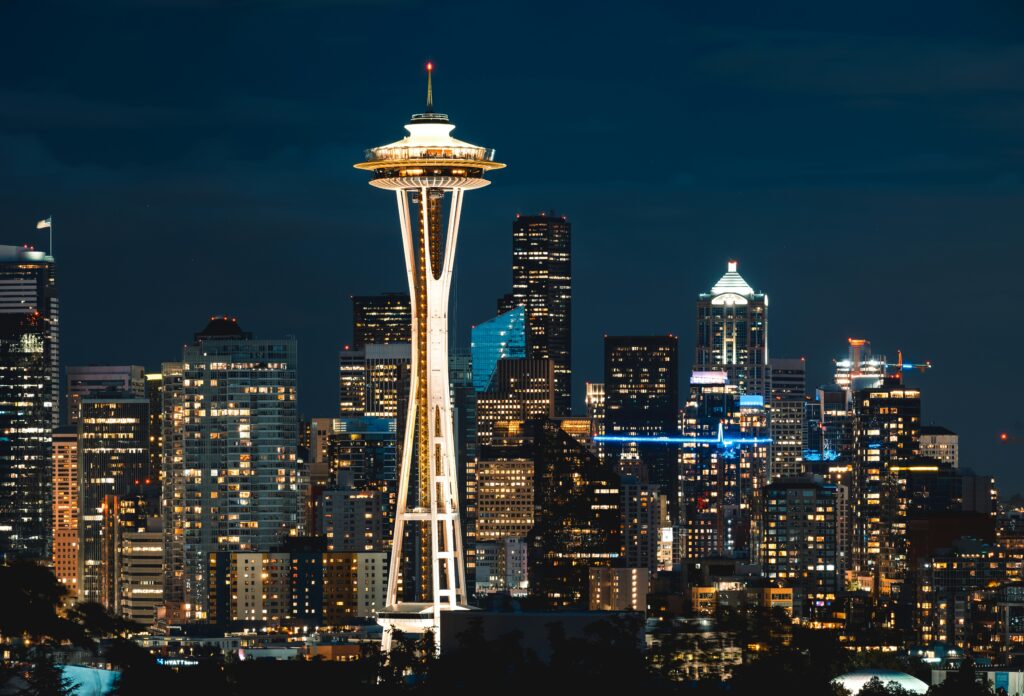
Victrola Coffee on Capitol Hill, Lighthouse Coffee in Georgetown, Elm Coffee Roasters in Pioneer Square, and the original Starbucks Reserve Roastery on Capitol Hill (different from the standard Starbucks and worth distinguishing) all operate at a level that justifies the city’s reputation in ways the Pike Place location no longer does. The Roastery at 1124 Pike Street charges more than a standard coffee shop and produces results that make the price comprehensible.
Practical Notes for World Cup Fans in Seattle
Getting around: The Link Light Rail covers the airport, downtown, Capitol Hill, the University District and the stadium. The streetcar covers South Lake Union. For the International District, Pike Place and most of downtown, walking is often fastest. For the Olympic Peninsula, a rental car or the ferry-and-bus combination is required. For Vancouver, the Amtrak Cascades removes the driving and border-wait variable entirely.
Accommodation: Seattle hotel rates during the tournament average $280 to $380 per night for mid-range properties. Capitol Hill and South Lake Union offer the best neighborhood access. Pioneer Square is the closest central neighborhood to Lumen Field. Booking.com and Airbnb both have solid inventory; book early as Seattle has a smaller hotel stock than comparable-population US cities.
Weather: Seattle in June and July is the city’s best weather window: temperatures of 20 to 25 degrees Celsius, long daylight hours (sunset after 9pm in late June) and significantly less rain than its reputation suggests. The coastal areas and the Olympic Peninsula run cooler and wetter. Pack a light waterproof layer regardless.
Connectivity: Airalo for US eSIM. For Vancouver, Canadian data coverage requires a separate plan or a multi-country eSIM.
Plan Your Seattle Days
The Traveneur Trip Planner builds a complete Seattle itinerary around your travel style in two minutes. Budget Backpacker, Independent Traveler, Comfort Seeker or Adventure Traveler: same city, different trip entirely.
The Pacific Northwest at the Edge of the World
Seattle sits at the northwestern corner of the contiguous United States, where the continent runs out of land and the Pacific begins. That position gives it access to landscapes that cities further east cannot replicate: rainforest, glaciated mountains, island ferry routes, a Canadian city 2.5 hours north. The fans who spend their off days in the Olympic Peninsula, on the Bainbridge ferry, in Capitol Hill at midnight, or on the Cascades train to Vancouver will leave with the specific feeling of having reached somewhere rather than simply passed through it. That feeling is worth the effort.
Official Seattle tourism: visitseattle.org. Washington State Ferries: wsdot.wa.gov/ferries. Link Light Rail: soundtransit.org. Match schedule: fifa.com/worldcup.