How to Travel Between World Cup 2026 Host Cities: Flights, Trains, Road Trips and the Routes Worth Taking
Traveling between World Cup 2026 host cities is one of the most underplanned parts of the tournament for most fans. You book the match tickets, you book the hotel, and then you realize that Dallas and Miami are 1,300 miles apart and that getting between them on a match-day weekend requires a flight you haven’t reserved. This guide fixes that problem before it becomes yours.
The 2026 tournament spans 16 cities across the United States, Canada and Mexico. Some of them sit close enough together for a road trip. Others require a flight, a solid travel day and a willingness to navigate a new city within 24 hours of landing. The gap between a well-routed multi-city World Cup trip and an exhausting one usually comes down to a single decision: whether you planned your inter-city logistics before or after you booked everything else.
What follows is a route-by-route breakdown of every practical city combination, with real transport options, approximate costs and the honest advice on which mode of travel actually makes sense for each pair.
Before You Plan Any Route: The Ground Rules
A few principles that apply to every city combination in the tournament:
Build a buffer day between cities. Arriving the day before a match gives you time to orient yourself, find food that isn’t airport food, and handle the delays that multi-city travel produces. Arriving on match day is a gamble that frequently loses.
Book early, book with cancellation options. Domestic US flights to host cities around match dates are selling at surge prices. Booking 8 to 10 weeks ahead cuts costs substantially compared to last-minute. Use free-cancellation rates where available; the schedule can shift.
Fly into one city, out of another. Open-jaw tickets (flying into City A, flying out of City B) are often cheaper than backtracking and save a significant amount of time. Google Flights multi-city search compares these efficiently.
Award miles are worth more than usual right now. Cash fares to host cities on match weekends have surged; points and miles redemptions have not tracked the same increase. If you have airline miles with any major alliance, this is one of the best opportunities to use them in 2026.
The Northeast Corridor: New York, Philadelphia and Boston
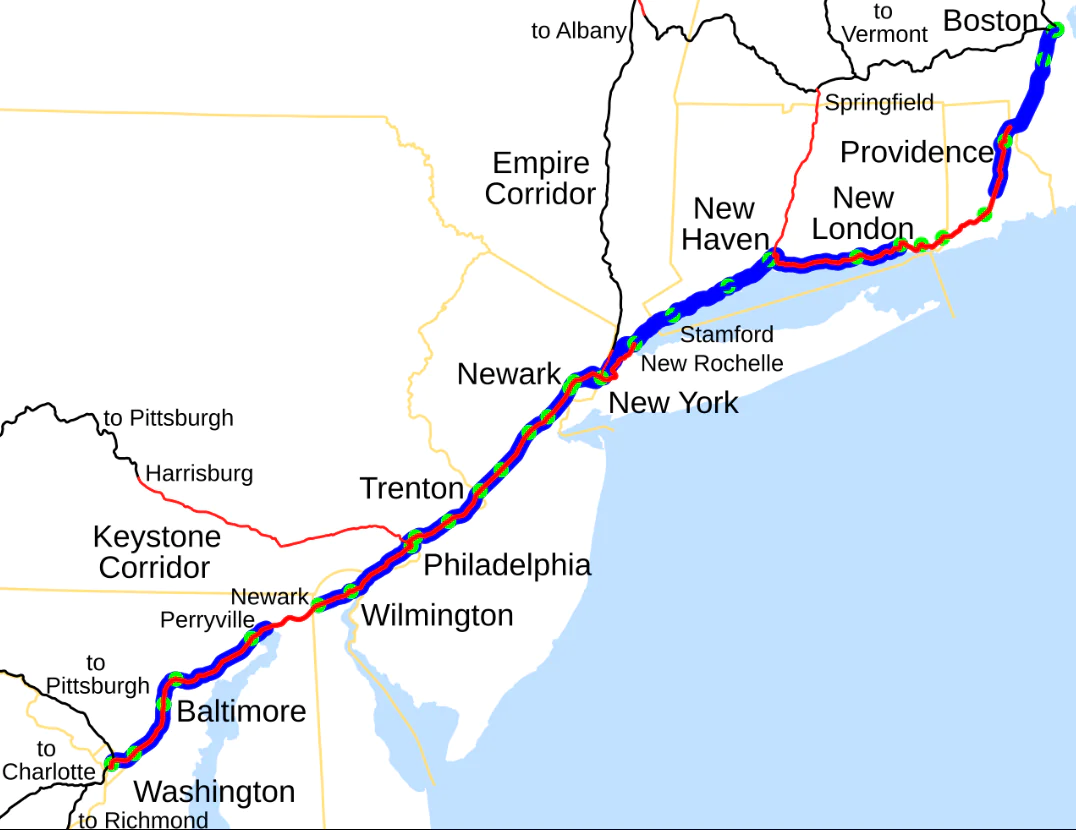
This is the easiest multi-city route in the tournament. Three major cities within a 350-mile stretch, all connected by Amtrak’s Northeast Regional and Acela services.
New York to Philadelphia: Amtrak takes 1 hour 15 minutes to 1 hour 30 minutes. Trains run frequently throughout the day. Standard fares range from $25 to $70 depending on how far ahead you book. The Acela is faster but significantly more expensive and not necessary for this distance.
Philadelphia to Boston: Amtrak takes around 5 hours by train or 1 hour by air. For travel with luggage and stadium gear, the train is more comfortable even though flying is faster in theory; factor in airport time and the net difference shrinks considerably.
New York to Boston direct: Around 4 hours by Amtrak Northeast Regional or 45 minutes by air. Acela cuts it to around 3 hours 30 minutes.
Book all Amtrak tickets at amtrak.com as early as possible. Amtrak is expecting record ridership during the tournament and has already flagged that popular Northeast routes will fill quickly. Buy tickets the moment your schedule is confirmed.
Stadium access note: MetLife Stadium (New York/New Jersey matches) is in East Rutherford, NJ. Take the NJ Transit train from Penn Station in Manhattan; journey time around 40 minutes. Lincoln Financial Field (Philadelphia) is accessible by SEPTA’s Broad Street Line. Gillette Stadium (Boston) is in Foxborough, 25 miles from the city; Commuter Rail service runs directly to the stadium on match days.
Texas: Dallas and Houston
A natural road trip pairing and one of the most underrated double-city combinations in the tournament.
Dallas to Houston by car: 240 miles on I-45, approximately 3.5 to 4 hours. Traffic around Dallas’s Galleria area and central Houston can add time during weekday travel; leave early or travel late. Rental cars are widely available; book through Rentalcars.com or Discover Cars and reserve at least 4 to 6 weeks ahead.
Dallas to Houston by air: About 1 hour in the air, but factoring in check-in, security and ground transport, driving is competitive for this distance and gives you more flexibility between cities.
AT&T Stadium (Dallas matches) is in Arlington, 20 miles from downtown Dallas. NRG Stadium (Houston) is 4 miles from downtown and accessible by METRORail. For both cities, driving to the stadium on match day means contending with serious traffic; transit or rideshare from a quieter pickup point works better.
The Texas two-city trip also allows for worthwhile extensions. San Antonio is 4 hours south of Dallas and 3.5 hours west of Houston; the River Walk and the Alamo make it a solid one-day stop between matches. Austin sits roughly midway between both cities at around 3 hours from each.
The West Coast: Los Angeles, San Francisco Bay Area and Seattle
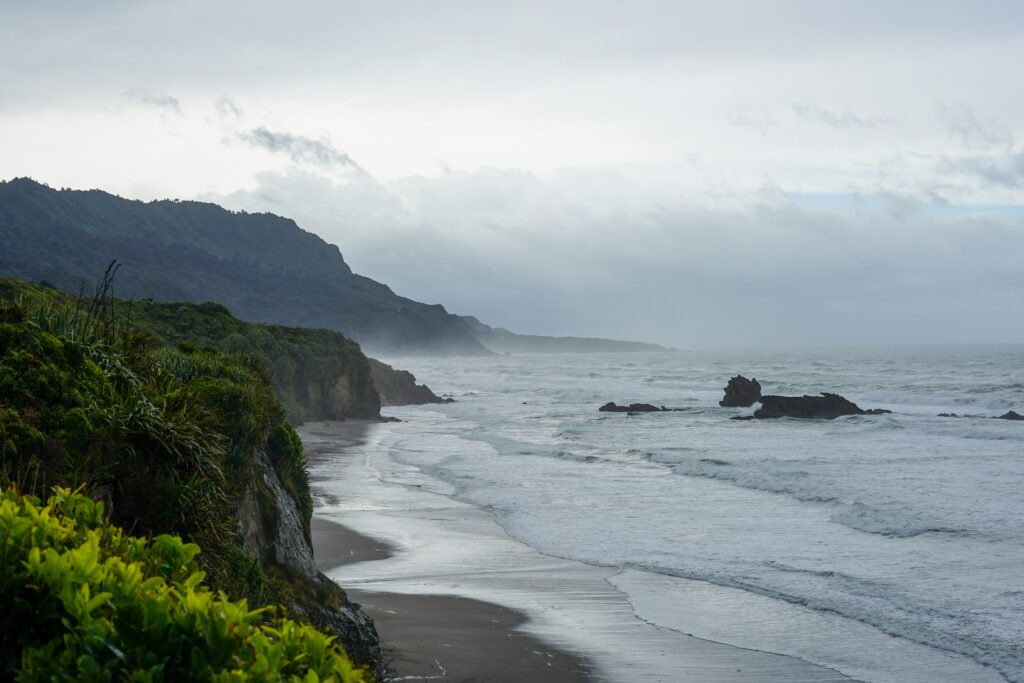
Three cities spread across 1,400 miles of Pacific coastline. Each leg requires a different approach.
Los Angeles to San Francisco Bay Area: 380 miles by road on the I-5 (5 to 6 hours) or the scenic Pacific Coast Highway (US-1), which runs 8 to 9 hours but passes through Big Sur, Morro Bay and Monterey. Renting a car for this leg is genuinely worthwhile if your schedule allows a day of driving rather than flying. Flying takes 1 hour 20 minutes; multiple daily flights connect LAX with SFO, SJC and OAK.
SoFi Stadium (Los Angeles) is in Inglewood, served by the Metro C Line. Levi’s Stadium (Bay Area) is in Santa Clara; Caltrain connects to the venue on match days from San Francisco, San Jose and surrounding cities.
Seattle to Los Angeles or San Francisco: Flying is the only practical option for most itineraries. Seattle to LA takes around 2.5 hours; Seattle to SFO around 2 hours. The Amtrak Coast Starlight runs once daily and takes 20+ hours to cover the route; not suited for time-sensitive travel.
Seattle to Vancouver: One of the best cross-border transit options in the tournament. Amtrak Cascades runs a scenic route from Seattle’s King Street Station to Vancouver’s Pacific Central Station in approximately 4 hours. Fares start around $30 to $50. The train clears the border at Blaine, Washington; have your eTA or TRV ready. Book at amtrak.com. Driving the same route is possible but border wait times during a major international event are unpredictable; the train removes that variable entirely.
Lumen Field (Seattle matches) is a 15-minute walk from King Street Station, making it one of the most easily transit-accessible venues in the tournament.
The Central Zone: Atlanta, Kansas City and Houston
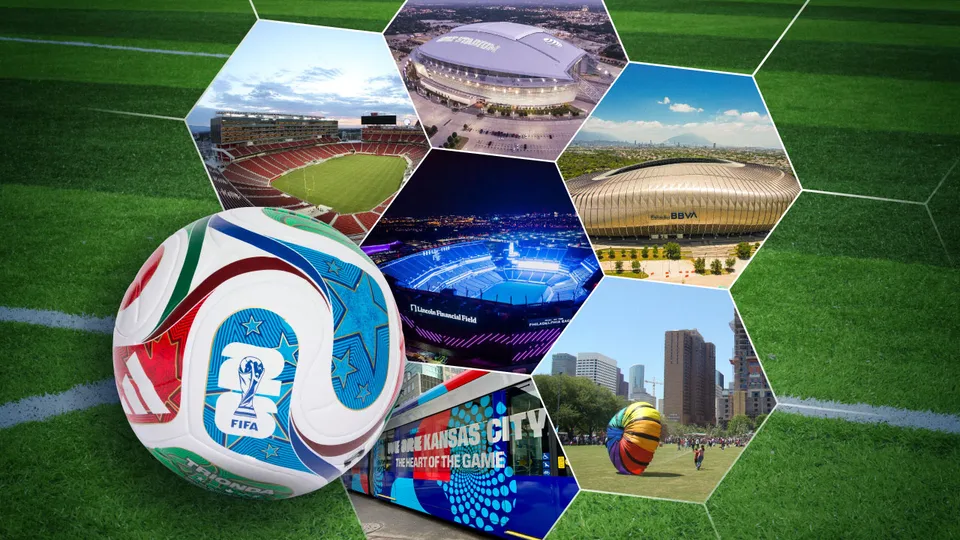
These three cities don’t have convenient rail connections between them. Driving is practical only for certain pairings.
Atlanta to Kansas City: 800 miles by road (12 hours) or 2.5 hours by air. Fly. No practical train option exists. Mercedes-Benz Stadium (Atlanta) is served by MARTA’s State Farm Arena station, a short walk from the venue.
Houston to Kansas City: 740 miles by road (11 hours) or 2 hours by air. Fly. Arrowhead Stadium (Kansas City) is in the eastern suburbs; a rental car or rideshare is the most practical stadium access option.
Atlanta to Houston: 790 miles or a 2-hour flight. Fly. These are among the more affordable mid-tier host cities in the tournament (Houston averages around $205 per night in accommodation, Atlanta around $220), making them worth combining if your budget is a priority.
Cross-Border: United States and Mexico
Flying US to Mexico City, Guadalajara or Monterrey: All three Mexican host cities have major international airports with frequent connections from US hubs. Dallas and Houston are the closest US host cities to Mexico and offer the highest frequency of direct flights. American, United, Delta, Aeromexico and Volaris all serve these routes.
Driving into Mexico: Technically possible from Texas to Monterrey (approximately 3.5 hours from Laredo) or to Mexico City (12 to 15 hours from the border). However, driving across the US-Mexico border during the World Cup period means unpredictable wait times and the additional requirement of Mexican auto insurance, which your US or Canadian policy does not cover. Buy it at mexicaninsurance.com before crossing.
Once inside Mexico: Public transport in Mexico City is genuinely excellent for a city of 22 million people. The Metro runs to most areas of the city at under $0.50 per ride. Uber operates reliably in all three Mexican host cities. InDrive often offers lower fares than Uber for longer routes.
Cross-Border: United States and Canada
Toronto to US cities: Toronto Pearson International Airport connects to all major US host cities with frequent direct flights. Short cross-border options include driving to Buffalo, NY (1.5 hours from Toronto) or taking the train; Amtrak’s Maple Leaf runs from Toronto to New York (12 hours) via Niagara Falls. Useful for the experience; impractical for time-sensitive tournament travel.
Vancouver to Seattle (and vice versa): The Amtrak Cascades route described above is the clearest recommendation for this crossing. For travelers who want to combine Vancouver and US West Coast cities in one trip, fly Vancouver to Los Angeles and use the Seattle-Vancouver train as a single cross-border leg.
City Pairs to Avoid Unless You Have Unlimited Time
Some combinations look logical on a World Cup fixture list and become logistical problems in practice:
Miami to any West Coast city: Miami to LA is a 5-hour flight; Miami to Seattle is 5.5 hours. Both require a full travel day on each end and at least two nights’ accommodation in each city. If these matches are your priority, attend them in separate trips or accept that this itinerary is expensive and tiring.
Kansas City to Vancouver: 1,600 miles, no direct rail option, a 4-hour flight plus a long ground transfer on the Vancouver end. This particular combination requires a serious commitment of time and money.
Any three-continent combination: New York, Mexico City and Vancouver is a triangle that covers over 6,000 miles of travel. It works on paper. In practice, between match scheduling, flight connections and accommodation logistics, it becomes a full-time job.
Getting Around Inside Host Cities on Match Days
Once you’ve arrived, the principles are consistent across all 16 cities: transit beats driving. Rideshare beats waiting. Walking beats all of them for short distances after the match.
Uber and Lyft surge aggressively in the immediate vicinity of large stadiums immediately after matches. Walking 10 to 15 minutes away from the exit before requesting a pickup cuts both the wait and the price. In cities with stadium-adjacent transit (Atlanta’s MARTA, Seattle’s Link, Philadelphia’s SEPTA), use it for the return journey.
Download Citymapper for New York, Boston and Toronto where real-time disruption alerts are particularly useful. Google Maps handles transit routing reliably in all 16 cities.
Essential Apps for Multi-City Tournament Travel
Airalo: eSIM coverage for the US, Canada and Mexico in one purchase. Install before you leave home. Losing data connectivity in an unfamiliar city after a night match is not a problem you want to solve on the ground.
Rome2rio: enter any two cities worldwide and it returns every transport option with approximate costs. Useful for verifying options and comparing modes.
Google Flights: multi-city search for open-jaw routing. Set price alerts for the routes you’re considering; prices shift weekly.
Amtrak app: book and manage tickets for all US rail routes including Northeast Corridor and Seattle-Vancouver.
XE Currency: live USD, CAD and MXN rates in one place.
World Nomads or SafetyWing: travel insurance for the full trip duration. Multi-city international travel is exactly when coverage matters.
Build Your Off-Day Itinerary for Each Host City
Getting between cities is one challenge. Knowing what to do once you’re there, on the days when there’s no match, is another. The Traveneur Trip Planner builds a complete day-by-day itinerary for any of the 16 host cities, calibrated to your travel style. Tell it the city and how many days you have; it returns a real plan for how to spend them, from neighborhood exploration to day trips.
Full 2026 World Cup schedule and match locations: fifa.com/worldcup. Amtrak routes and booking: amtrak.com. Multi-city flight search: Google Flights.
Related Post: World Cup 2026 Survival Guide: Visas, Costs, Apps and What No One Tells You Before the Tournament