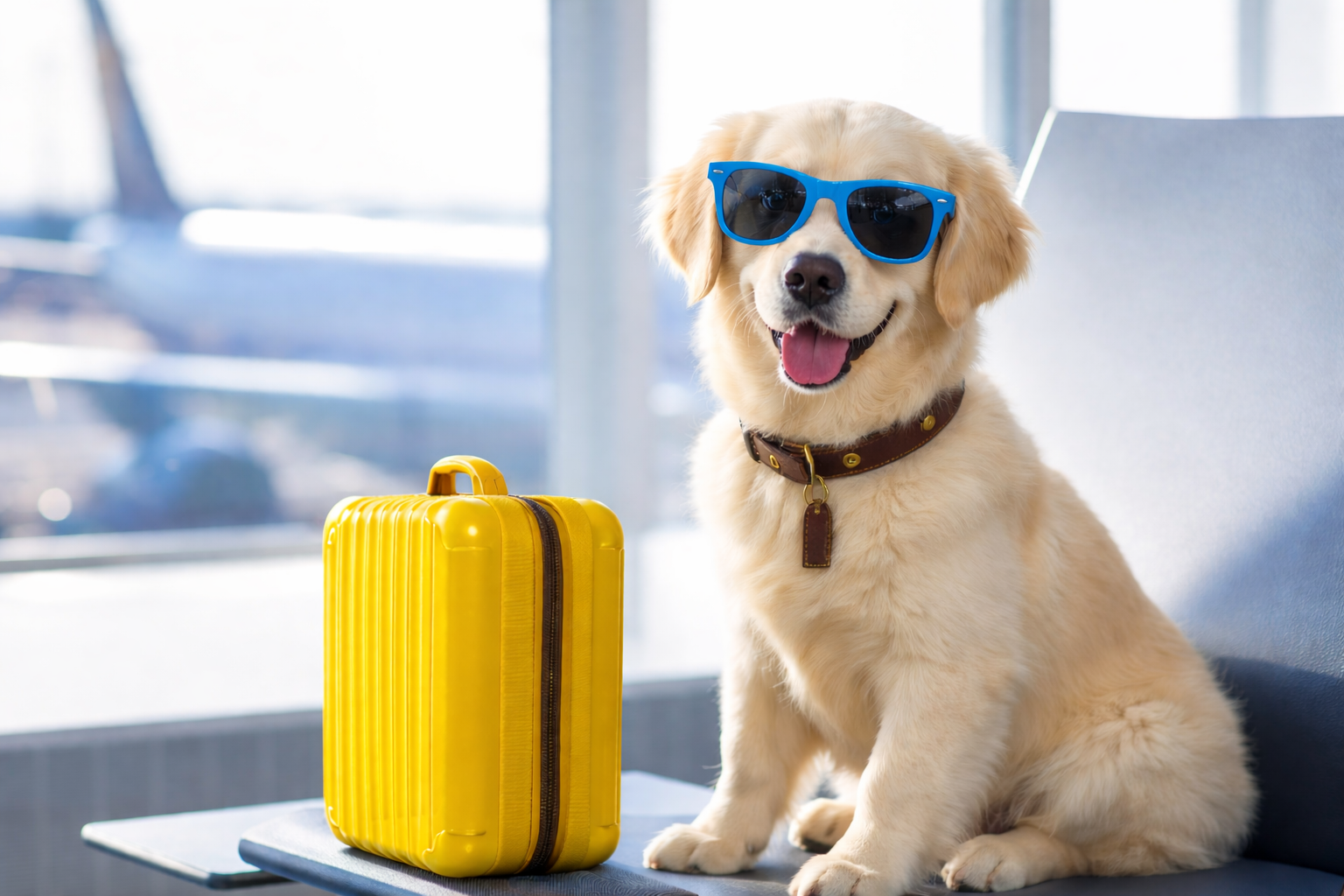
Traveling with Pets: The Complete Guide to Exploring the World with Your Animal Companion
There’s a moment that every pet owner knows well. You’re packing your suitcase, your dog parks himself on top of your clothes, tail wagging, eyes locked on yours with that unmistakable mix of hope and accusation. He’s not asking to come. He’s assuming he’s coming. And honestly? More and more people are deciding he’s right.
Traveling with pets has moved well past the novelty stage. According to the American Pet Products Association, over 68% of U.S. households own a pet, and the number of people who bring their animals along on trips has grown steadily year over year. Hotels have revamped their policies. Airlines have created dedicated programs. Entire cities have redesigned their public spaces to welcome four-legged visitors. The world is slowly, genuinely becoming more pet-friendly, and if you know how to navigate it, traveling with your pet can be one of the most rewarding things you do together.
But “more pet-friendly” doesn’t mean “easy.” Documentation can take months to sort out for certain destinations. Breed restrictions on flights catch people off guard. A wrong assumption about a layover airport can derail an entire trip. This guide covers everything, from the paperwork and health requirements to the best gear, the most welcoming destinations, and the unspoken rules that only experienced pet travelers know. Whether you’re flying internationally with a cat or road-tripping across the country with a 60-pound dog, this is the resource you’ll want before you go.
Before Anything Else: Is Your Pet Ready to Travel?
The single most important conversation you’ll have before any trip is with your veterinarian. Not because it’s a formality, but because your vet knows your animal’s stress tolerance, health history, and whether a 10-hour journey is genuinely manageable for them.
Some pets are built for travel. Others find it deeply distressing, even with the best preparation. Brachycephalic breeds, such as French Bulldogs, Pugs, English Bulldogs, Persian cats, and Himalayans, face very real respiratory risks during air travel due to their short airways. When traveling with brachycephalic dogs or cats, it’s important to take extra precautions because their unique facial structure can make them more sensitive to changes in temperature and altitude, leading to respiratory challenges even when pets travel in the cabin. Most airlines now restrict or outright prohibit these breeds in cargo holds.
Beyond breed-specific concerns, your vet should assess your pet’s overall cardiovascular health, check for any conditions that altitude or pressurization changes could aggravate, and advise on anxiety. Experts agree that flying isn’t just stressful for you; it can be a particularly jarring experience for your pet, and if your pet is prone to anxiety, visiting the vet before taking flight is a good idea so they can discuss options including medication or treats to help reduce anxiety.
One critical note that still surprises many travelers: as recommended by the American Veterinary Medical Association, airlines don’t accept pets that have been sedated or tranquilized, because pets given sedatives or tranquilizers are at a higher risk of respiratory and cardiovascular problems at high altitudes. If your vet suggests something for travel anxiety, make sure it’s approved for in-flight use.

Air Travel with Pets: What You Actually Need to Know
Choosing the Right Airline
Not all airlines handle pet travel equally, and the differences matter enormously. Alaska Airlines is widely considered the most pet-friendly U.S. airline due to its clear policies, reasonable fees, and availability of both cabin and checked-baggage options, while JetBlue and Frontier also rank highly for small in-cabin pets.
For international travel, Turkish Airlines offers robust pet-friendly policies for both in-cabin and cargo travel, accommodating cats, dogs, and even birds on certain routes, with its extensive network making it a strong option for travelers heading to Europe, Asia, or the Middle East.
The key thing to understand is that policies vary not just by airline, but by route and even by aircraft type. A carrier that fits under the seat on a wide-body international flight may not fit on a regional connection. Delta recommends a soft-sided kennel with maximum dimensions of 18″ x 11″ x 11″ since this fits most aircraft types, but the maximum in-cabin kennel dimensions are determined by the specific aircraft dimensions of your flight, as the under-seat space varies.
Some important rules that catch travelers off guard:
- American Airlines charges $150 each way for in-cabin pets, allows only cats and small dogs, and requires pets to be at least 8 weeks old. Notably, if you’re bringing a pet in cabin, you can bring either a carry-on bag or a pet, but not both.
- Most U.S. airlines require pets to be at least 8 weeks old for domestic flights, while for international or long-haul travel, the minimum age may be 12–16 weeks to ensure they’ve received core vaccines such as rabies.
- Airlines typically limit the number of pets per flight. Book early and confirm your reservation directly, as this is a separate booking from your ticket.

The Cargo Question
Cargo travel is a separate universe with its own logic. It’s often the only option for larger dogs, and when done well, it can be safe. When done carelessly, it’s deeply stressful and potentially dangerous.
There are temperature restrictions to ensure checked pets and pets traveling in cargo aren’t exposed to extreme heat or cold; pets cannot travel if the current or forecasted temperature is above 85 degrees Fahrenheit at any location on the itinerary, and pets traveling outside the cabin cannot travel to, through, or from Phoenix, Tucson, Las Vegas, or Palm Springs from May 1 through September 30.
If cargo is unavoidable, work with a professional pet transport service. A pet travel service takes the guesswork out of navigating airline policies, health certificate requirements, breed restrictions, and destination regulations, as airlines, USDA rules, and foreign governments each have their own guidelines and a single overlooked detail can lead to denied boarding or quarantine.
Documentation: The Paper Trail That Protects Your Pet
This is where most travel disasters begin. Documentation for pet travel is not optional, not flexible, and not forgiving if you get it wrong.
The health certificate is usually required within 10 days of departure. Your vet issues it after examining your animal and confirming they are fit to travel. For international flights, you may also need USDA endorsement of this certificate, which can add days to the process.
Vaccination records must be current, with rabies being the non-negotiable one for most destinations. Some countries require titer tests to prove rabies immunity rather than just a vaccination record, and titer testing requires waiting for lab results that can take weeks.
Microchipping is mandatory in the European Union and required by many other countries. The chip must meet ISO standard 11784/11785 (15-digit microchip). If your pet has a different chip, you’ll need to bring your own scanner or get a compliant chip implanted well before travel.
Import permits are required for certain destinations and must be applied for well in advance. Hawaii, despite being a U.S. state, enforces strict rabies control protocols. Australia and New Zealand have some of the strictest biosecurity requirements in the world, with mandatory quarantine periods that can last weeks and cost thousands of dollars.
The USDA’s Animal and Plant Health Inspection Service (APHIS) website aphis.usda.gov is the authoritative resource for international pet travel from the United States. Check it early. Check it again a month before departure.
Road Trips with Pets: Freedom with Responsibility
For many pets, particularly dogs with travel anxiety, the open road is genuinely the better option. No pressurized cabins, no strangers, no height restrictions. Just windows, wind, and whoever has the back seat.
A good road trip with a pet comes down to three things: safety, comfort, and routine.
Safety first. An unrestrained dog in a moving vehicle is a projectile in a sudden stop. The Center for Pet Safety has crash-tested several harnesses and crates, and results vary widely. Look for the Sleepypod or Ruffwear harnesses, which have performed well in independent testing. For crates, a well-secured metal or composite crate in the cargo area of an SUV is generally the safest option. On Amazon, the MidWest Homes for Pets iCrate is a solid, affordable option with a divider panel and double-door design that works well for road travel.
Comfort over the long haul. Dogs in cars overheat faster than you’d expect. Keep the car cool, take breaks every two hours, and never leave your animal in a parked car. On a 70°F day, the inside of a parked car can reach 100°F in under 20 minutes. Several U.S. states have laws that allow bystanders to legally break windows to rescue animals in overheating vehicles.
Maintaining routine. Feed your pet at their regular times, not just when it’s convenient for the road schedule. Familiar food, familiar smells (bring their bed or a worn T-shirt), and familiar commands all reduce stress during multi-day trips.
For finding pet-friendly lodging along your route, BringFido.com is still one of the best resources available, with real reviews from pet owners rather than just hotel marketing.
The Gear That Actually Makes a Difference
The pet travel product market has exploded, and not all of it is useful. These are the categories worth spending on:
The carrier. For air travel, your carrier is the single most important purchase. It needs to be airline-compliant (check dimensions for your specific airline and aircraft), well-ventilated, and comfortable enough for your pet to sleep in during training before the flight. The Sherpa Original Deluxe Pet Carrier, available on Amazon, is a travel classic that fits under most airline seats and has mesh panels on multiple sides for ventilation. Practice with it at home for weeks before departure.
Collapsible water bowls and a travel water bottle. Hydration on the road is easy to forget. The Lesotc Pet Water Bottle with leak-proof silicone bowl is compact, practical, and available on Amazon (Click Here). The Ruffwear Bivy Bowl collapses to almost nothing and clips to a leash or bag.
A GPS tracker. Particularly valuable during road trips and in new environments. The Tractive GPS tracker for dogs syncs to your phone and has an international subscription available for travel in multiple countries. Available on Amazon with subscription plans.

Calming aids. Adaptil (for dogs) and Feliway (for cats) are pheromone-based sprays and diffusers that genuinely reduce anxiety for many animals. A squirt of Adaptil spray inside the carrier 15 minutes before travel can make a noticeable difference. Both are available on Amazon.
Pet first aid kit. Most human first aid kits miss what animals actually need: wound irrigation, vet wrap, a digital thermometer for rectal use, tweezers for ticks and thorns, and an emergency contact list for vets at your destination. The RC Pet Products First Aid Kit on Amazon covers the basics in a compact bag.
International Travel: Country-Specific Realities
The rules that apply in one country rarely apply in another. Beyond documentation, there are cultural realities worth understanding before you land.
In the European Union, the EU Pet Passport is a single document accepted across member states. It records microchip details, vaccinations, and health treatments. Your vet must be USDA-accredited to issue the health certificate required to obtain one. Once you have it, travel within Europe becomes significantly smoother. The European Commission maintains a pet travel portal with entry requirements for each member state.
Germany deserves special mention for how genuinely dog-friendly it is. The capital, Berlin, is home to Europe’s largest animal sanctuary, accommodating nearly 2,000 animals at any given time, and the country has a strict no-kill policy for its shelters. Dogs are welcomed in almost all areas humans are, with no restrictions placed on their movements around most establishments. Dogs ride the subway, sit in cafes, join their owners in shops. It’s not just tolerated; it’s expected.
France, particularly Paris, is famously welcoming to dogs in restaurants and public spaces. Around a quarter of French households have a dog, and in many places, well-behaved pups can enter small shops and boutiques or sit outside on terraces, and may even be allowed to enter some dining establishments. The stereotype of Parisian dogs in bistros is largely accurate.
Japan surprises most travelers. Tokyo promotes a pet-friendly culture with over 1,000 pet-friendly establishments including pet parks, pet stores, pet-friendly offices, and even a dog-friendly mall. That said, public transit requires pets to be in carriers, and cultural norms around keeping animals calm in public spaces are strictly observed.
Australia and New Zealand have some of the world’s strictest biosecurity requirements. Quarantine periods can be lengthy and expensive. Start the process at minimum six months before departure, ideally longer. The payoff is genuinely spectacular pet-friendly outdoor culture once you arrive.
Pet-Friendly Destinations Worth Planning Around
Some places don’t just allow pets. They’re built around them.
Amsterdam, Netherlands is a haven for pets, especially dogs, where public transport welcomes them and the city’s parks and most cafes offer a relaxed, inclusive vibe for pet owners. The canal-side streets, endless cycling paths, and cafe culture translate beautifully for a dog who enjoys being where the action is.
Portugal has emerged as one of Europe’s most pet-welcoming countries. Portugal’s relaxed pace of life extends to its pet culture, with coastal towns offering dog-friendly cafés with outdoor seating and scenic walking trails hugging the Atlantic coastline, and many public spaces welcoming dogs and creating a naturally inclusive atmosphere. Costs are reasonable, the climate is mild, and the Algarve coast has stretches of beach that specifically welcome dogs.
Vancouver, Canada consistently tops pet-friendly rankings. Vancouver delights with its urban parks, scenic beaches, and a calendar full of dog-friendly events. Stanley Park has over 400 hectares with dedicated off-leash areas, and the city’s cafe culture is welcoming to well-behaved dogs.
Buenos Aires, Argentina is one of South America’s great surprises for pet travel. Buenos Aires has a vibrant pet culture featuring pet-friendly restaurants, expansive green parks, and lively dog-walking communities. The city’s Palermo neighborhood, with its interconnected parks and sidewalk cafes, is particularly well-suited to life with a dog.
New Zealand, with its breathtaking landscapes and passion for the outdoors, is an ideal playground for pets, with off-leash beaches, public transit systems that accommodate pets, and cafés where your pet isn’t just tolerated but offered a bowl of water or a seat at your table. The biosecurity process is demanding, but the experience at the other end is genuinely world-class.
Lisbon and Porto deserve a separate mention from Portugal at large. Both cities have been undergoing a cultural shift that explicitly embraces dogs in everyday life. Tram routes, riverside walks, and historic neighborhoods are all navigable with a dog. Accommodation platforms like The Dogist Hotels curate specifically pet-welcoming properties across both cities.
Your Rights and Theirs: The Legal Side of Pet Travel
This is often overlooked until something goes wrong.
Service animals have specific federal protections in the United States under the Air Carrier Access Act. As of 2025, only dogs trained to perform specific tasks for individuals with a disability are recognized as service animals by airlines, and service animals may fly in the cabin at no charge. Emotional support animals, following a 2020 DOT ruling, no longer have the same protections and must travel under standard pet policies.
If an airline denies boarding to your pet in violation of its stated policy, you have the right to request a written explanation and to file a complaint with the Department of Transportation. Keep records of all communications, confirmation emails, and documentation.
For road travel, animal cruelty laws apply to traveling pets in many states. Leaving a pet in a hot car is now a criminal offense in more than 30 U.S. states. Transporting a dog unsecured in an open truck bed is illegal in several states, including Massachusetts and California.
Internationally, the World Organisation for Animal Health (WOAH, formerly OIE) sets baseline standards for animal welfare in transit that member countries are expected to follow. If you believe your animal was mistreated during transport, document everything and file complaints with both the airline and your country’s civil aviation authority.
The Health Protocol That Experienced Pet Travelers Actually Use
Beyond the required documentation, smart pet travelers build a health protocol:
Two to three months before departure: Vet check, confirm vaccinations are current, begin the documentation process for international travel, check if destination requires titer tests.
One month before: Confirm all paperwork. If flying, begin carrier training. Short sessions in the carrier with positive reinforcement, feeding meals inside it, sleeping with the door open.
Two weeks before: Final vet check. Health certificate issued no more than 10 days before departure. Double-check that microchip is readable with an ISO-compatible scanner.
Three days before: Pack the go-bag. Documents in waterproof sleeve. Vet contact info for destination. Extra food and medications. Familiar toy or worn clothing item. Photograph your pet clearly from multiple angles in case of separation.
Day of travel: Feed lightly, four to six hours before departure. Water access up to one hour before. Arrive at the airport early. Be calm. Animals read your stress with remarkable precision.

The Honest Part: When Not to Bring Your Pet
After all of this, the most responsible thing to say is this: some trips shouldn’t include your pet, and some pets shouldn’t travel.
An elderly dog with heart disease, a cat with severe anxiety, a bird with respiratory issues. These animals exist, and they deserve not to be subjected to a journey that could genuinely harm them. The best expression of love for your animal isn’t always bringing them along. It’s knowing when a trusted pet-sitter, a reputable boarding facility, or a stay with family is genuinely better for them.
Travel with pets is an extraordinary experience when it’s right. The German Shepherd who hikes Bavarian trails beside you. The rescue cat who moves across the Atlantic and adapts with remarkable dignity. The dog who parks himself in a Lisbon cafe while you drink your afternoon coffee, utterly unbothered, completely at home.
When it works, there’s really nothing like it. When you’ve done the work to make it work, it works far more often than you’d think.
Related Post: The Ultimate Guide to Being a Digital Nomad with a Dog
The World Is Getting More Pet-Friendly. So Should Your Planning.
The growth of pet-friendly travel infrastructure is real and accelerating. Airlines are becoming more pet-friendly, with some even launching pet-focused campaigns like Alaska Airlines’ Fur-st Class and JetBlue’s JetPaws. Hotels that once buried a pet policy in fine print are now actively marketing to pet owners as a competitive advantage. Cities are building infrastructure that serves both humans and animals.
The travelers who get the most out of this are the ones who plan with the same care they’d give any complex international trip, who treat their animal’s needs as genuinely non-negotiable, and who understand that the inconvenience of good preparation is nothing compared to the experience that waits on the other side of it.
Pack the leash. Do the paperwork. Book early. And go.
Useful Resources for Pet Travel Planning
- USDA APHIS Pet Travel – aphis.usda.gov/pet-travel: Official U.S. government portal for international pet travel documentation
- IATA Live Animals Regulations – iata.org/LAR: Industry standards for air transport of live animals
- BringFido – bringfido.com: Pet-friendly hotels, restaurants, and activities worldwide
- Pet Travel – pettravel.com: Country-specific entry requirements database
- Pets in Transit – petsintransit.com: Professional pet transport services for complex international moves