Best Way to Manage Money Abroad: A Practical Guide for Smarter, Freer Travel
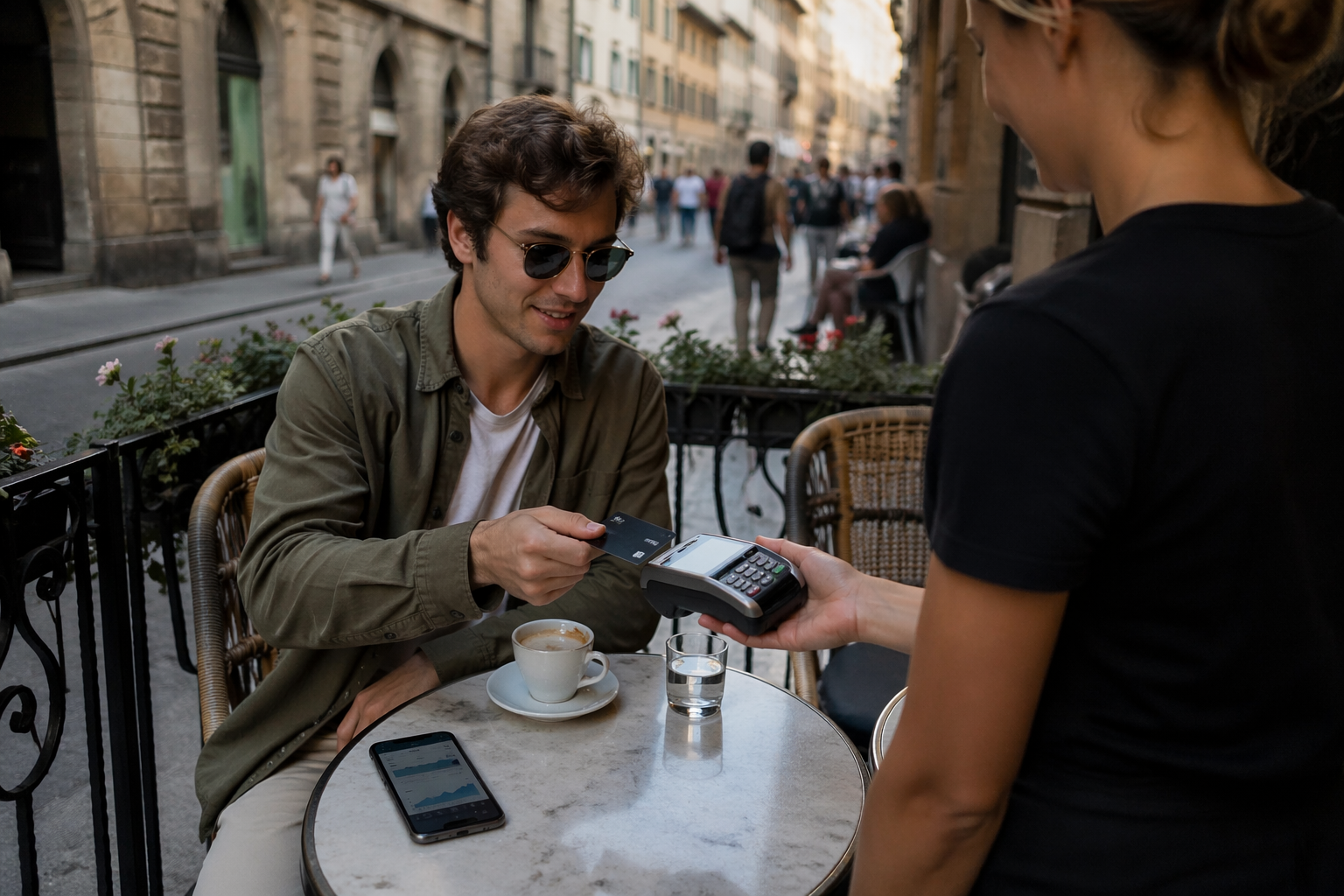
Managing money abroad used to be the kind of logistical headache that could quietly ruin an otherwise perfect trip. Hidden fees, frozen cards, confusing exchange rates, and the occasional panic of not knowing if your payment would go through at a tiny café somewhere far from home. Things have improved, but only if you know how to play the game.
The best way to manage money abroad today is less about choosing a single tool and more about building a flexible system. One that adapts as you move between countries, currencies, and cultures. Because the truth is, money behaves differently depending on where you are. In Tokyo, cash still holds power. In Stockholm, you might not touch a single coin. In Buenos Aires, exchange rates can change faster than your plans.
This guide is not about theory. It is about what actually works on the road. The kind of approach that lets you stop worrying about your bank balance and start paying attention to the experience you came for in the first place.
Why the Best Way to Manage Money Abroad Starts Before You Leave
Most financial mistakes abroad happen before the trip even begins. The wrong card, the wrong assumptions, or simply not informing your bank can cost you more than a few inconvenient moments.
Start by choosing the right mix of financial tools. Ideally, you should travel with at least two debit cards, one credit card, and a digital wallet setup. Not because you will use them all at once, but because redundancy is your safety net. Cards get blocked. ATMs fail. Apps crash. Having alternatives keeps your trip fluid.
Look for banks or fintech platforms that offer low or zero foreign transaction fees. Services like Wise or Revolut have reshaped how travelers handle money, offering real exchange rates and multi-currency accounts. If your current bank charges 3% on every international purchase, that is essentially a silent tax on your entire trip.
Before departure, notify your bank of your travel dates and destinations. It sounds basic, but it prevents fraud alerts from locking your card when you need it most. Also, set up app notifications so you can track spending in real time. This small habit builds awareness quickly.
Building a Multi-Currency Strategy That Actually Works
The best way to manage money abroad is to think in layers rather than relying on a single method.
At the base layer, you have your primary spending card. This is what you will use for most transactions such as restaurants, transport, and accommodation. Choose one with favorable exchange rates and no foreign fees.
Then comes your backup card. Keep it in a different place, not in the same wallet. If you lose one, the other keeps you moving without stress.
Next is local cash. Even in highly digital countries, there are moments when cash is essential. Street markets, taxis, small family-run restaurants, or rural areas often prefer it. The key is not to over-withdraw. Take smaller amounts more frequently to reduce risk.
Finally, consider a digital wallet such as Apple Pay or Google Pay. In many places, especially across Europe and parts of Asia, contactless payments are faster and sometimes more widely accepted than physical cards.
Cash vs Card: Knowing When Each One Wins
There is no universal rule here. The balance between cash and card depends heavily on where you are.
In countries like Germany or Japan, cash still plays a significant role. You might find yourself in a beautifully designed café that only accepts cash, which can feel surprising in otherwise advanced economies.
On the other hand, places like Sweden or the Netherlands are almost entirely cashless. Carrying too much cash there becomes more of a burden than a benefit.
A practical rule is to observe your surroundings within the first 24 hours. Watch how locals pay. If most people tap their phones or cards, follow suit. If you see cash changing hands frequently, adjust accordingly.
Understanding Exchange Rates Without Overthinking Them
Exchange rates can feel intimidating, but you do not need to become a currency analyst to manage money well abroad.
What matters is avoiding bad rates rather than chasing perfect ones.
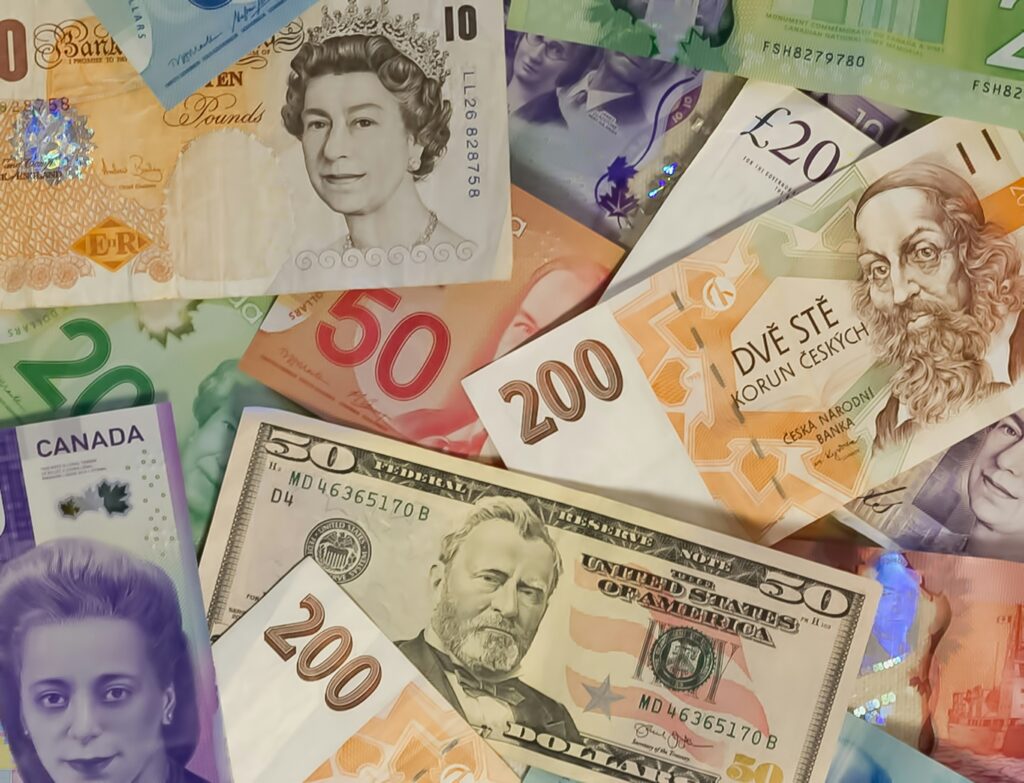
Always choose to pay in the local currency when given the option. This avoids dynamic currency conversion, which often comes with unfavorable rates set by the merchant rather than your bank.
Use apps like XE Currency or Wise to get a quick sense of the real exchange rate. Over time, you will develop an intuitive feel for prices. You will know when something is reasonably priced and when it is not, even in a foreign currency.
Related Post: Currency Management and Foreign Exchange: The Essential Guide for Modern Travelers
How Much Money Should You Actually Bring?
This question comes up often, and the answer depends on your travel style more than the destination itself.
A slow traveler renting apartments and cooking occasionally will spend very differently from someone moving cities every three days and dining out constantly.
That said, a useful framework is to break your budget into daily averages. Research the typical daily cost for your destination, then add a buffer of around 20%. This accounts for unexpected experiences that are often worth it.
For example, a last-minute cooking class in Florence or a guided hike in Patagonia might not be in your original plan, but these are the moments that shape the trip.
Hidden Fees That Quietly Drain Your Budget
The biggest financial leaks abroad are often invisible.
ATM withdrawal fees can add up quickly, especially if your bank charges both a flat fee and a percentage. Try to use ATMs affiliated with major banks and withdraw larger amounts less frequently.
Foreign transaction fees on credit cards are another common issue. Even a 2.5% fee can significantly impact your total spending over time.
Then there are accommodation payments. Some platforms or properties charge in your home currency with poor exchange rates. Whenever possible, pay in the local currency.
Apps That Make Managing Money Abroad Effortless
A few well-chosen apps can simplify everything.
Wise is excellent for holding and converting multiple currencies with transparent fees. Revolut offers similar functionality with additional budgeting tools.
Trail Wallet is a favorite among long-term travelers for tracking daily expenses without feeling like a chore.
Splitwise is useful if you are traveling with others and sharing costs. It removes the awkwardness of constantly settling small amounts.
Google Maps might seem unrelated, but it helps you locate ATMs, banks, and even indicates whether places accept cards.
Related Post: The Best Apps to Track Travel Expenses (and Keep Your Budget on Point)
Safety: Protecting Your Money Without Becoming Paranoid
Financial safety abroad is about awareness, not fear.
Avoid carrying all your money in one place. Use a mix of wallet, bag, and perhaps a hidden pouch for backups.
When using ATMs, choose machines inside banks or well-lit areas. If something feels off, trust that instinct.
Enable two-factor authentication on your financial apps. It adds a layer of protection that is worth the extra step.
Also, keep digital copies of your cards and important documents in a secure cloud service. If something goes wrong, recovery becomes much easier.
Cultural Nuances That Affect How You Spend
Money is deeply tied to culture, and understanding this can change your experience.
In some countries, tipping is expected and built into the service culture. In others, it can feel awkward or even inappropriate.
Negotiation is common in parts of Asia, Africa, and Latin America, especially in markets. It is not about being aggressive, but about engaging respectfully in a cultural norm.
Even the pace of transactions varies. In some places, splitting a bill is normal. In others, it might confuse the staff.
Pay attention to these nuances. They are part of the experience, not just the transaction.
Where to Stay and How It Impacts Your Budget
Accommodation is usually the largest expense, and your choice shapes how you manage money daily.
Short stays in hotels offer convenience but often come with higher costs and less flexibility.
Apartments through platforms like Airbnb can reduce food expenses by allowing you to cook. They also tend to offer better value for longer stays.
Hostels are no longer just for backpackers. Many now provide private rooms and co-working spaces, making them appealing for remote workers.
Location matters. Staying slightly outside the main tourist areas can significantly reduce costs while offering a more local perspective.
Related Post: Best Budget-Friendly Destinations for Digital Nomads
A Few Destinations Where Money Management Feels Different
Some places challenge your usual habits in interesting ways.
In Argentina, the gap between official and informal exchange rates creates opportunities and confusion. Many travelers bring cash in USD to exchange locally for better rates.
In Japan, despite its technological reputation, cash is still widely used. Having yen on hand is essential.
In Scandinavia, you might go days without touching cash. Digital payments dominate, and even small purchases are made by card.
In Southeast Asia, the balance shifts constantly between cash and digital, depending on the country and even the neighborhood.
Packing Smart: What to Bring for Financial Ease
Beyond cards and cash, a few small items can make a difference.
A compact wallet with RFID protection adds peace of mind in crowded areas.
A second card stored separately acts as your backup plan.
A portable charger ensures your phone and digital wallet are always ready.
Even a simple zip pouch can help organize currencies if you are moving between countries.
Related Post: The Ultimate Packing List: Essentials for Every Type of Traveler
The Rhythm of Spending: Slowing Down to Save More
One of the most overlooked aspects of managing money abroad is pace.
Fast travel tends to be more expensive. Constant movement means more transport costs, more short-term bookings, and often more impulse spending.
Slowing down changes everything. Weekly or monthly stays reduce accommodation costs. Familiarity with a place leads to better, more affordable choices. You start shopping where locals do, eating where prices are fair, and avoiding tourist traps naturally.
It also changes your relationship with money. It becomes less about controlling every expense and more about aligning your spending with experiences that matter.
Related Post: Embrace Slow Travel: A Sustainable Approach for Tourists and Digital Nomads
When Things Go Wrong and They Sometimes Do
Even with the best planning, issues can happen.
A card might get blocked. An ATM might swallow it. A payment might fail at the worst moment.
This is where your system proves its value. Multiple cards, some cash, and access to digital accounts mean you are never stuck for long.
Contact your bank immediately if something unusual happens. Most apps now allow you to freeze and unfreeze cards instantly.
Having a small emergency fund, separate from your main budget, adds another layer of security.
The Real Currency of Travel
At some point, managing money abroad stops being about money.
It becomes about freedom. The ability to say yes to experiences without hesitation. To stay an extra day in a place that surprises you. To take a detour that was never part of the plan.
The best way to manage money abroad is not just about saving or spending wisely. It is about designing a system that supports the kind of journey you want to have.
Because in the end, the most valuable exchanges are not financial. They are the moments that stay with you long after the trip is over.