What to Do in Dallas Between World Cup 2026 Games: Beyond AT&T Stadium and Into the Real Texas
What to do in Dallas between World Cup 2026 games is a question that most fans haven’t thought to ask yet. They book the match at AT&T Stadium in Arlington, they book a hotel near the Galleria, and they assume the city will fill itself in. It will, but not in the ways that make for a good story afterward.
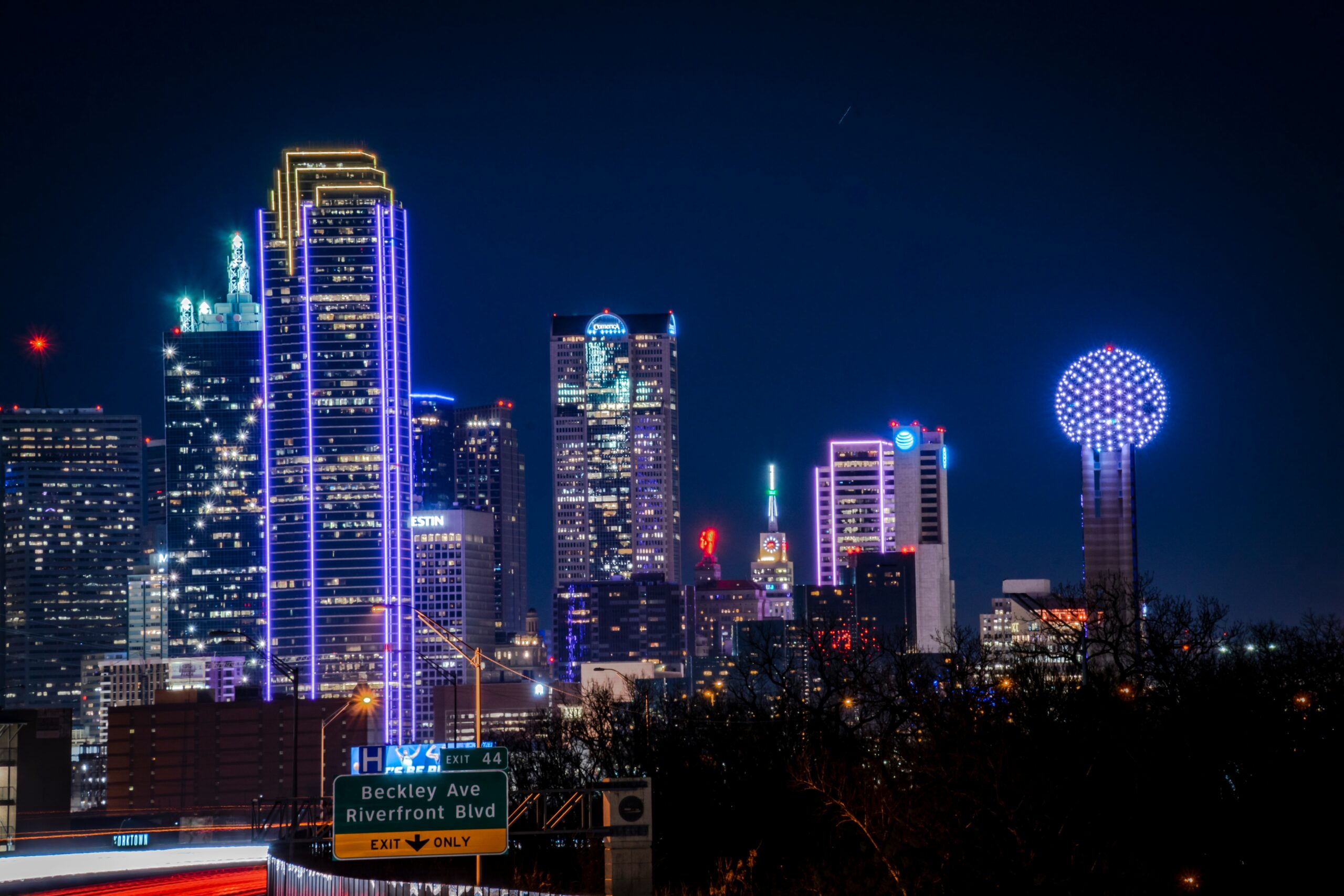
Dallas hosts 6 matches during the tournament, including Germany vs Portugal on June 14, Argentina vs Croatia on June 22 and a Round of 16 on July 4. AT&T Stadium is in Arlington, 20 miles west of downtown Dallas, a city-sized venue that holds over 100,000 for a configured World Cup setup and is arguably the most technically sophisticated football stadium on the planet. Fans arriving for matches at this venue are also arriving in one of the most genuinely interesting cultural corridors in the American South: a two-city metro area where Dallas operates as the cosmopolitan half and Fort Worth, 30 miles west, holds on to a cattle-trading identity it has never been interested in abandoning.
The days between matches here are better than most fans expect. Here is how to use them.
Getting to AT&T Stadium
AT&T Stadium sits at 1 AT&T Way in Arlington, between Dallas and Fort Worth. There is no direct rail service from Dallas proper to the stadium; this is a car city and Arlington has no public transit connection to the broader metroplex.
The practical options: rent a car, use Uber or Lyft from your hotel (factor in surge pricing after the final whistle), or book a shuttle from one of the designated fan zones closer to downtown. Dallas is one of the few World Cup host cities where driving is the standard and transit is the exception. Parking at AT&T Stadium sells out for major fixtures; book through the official FIFA parking portal once it opens or use a nearby lot with a short walk.
Deep Ellum: Where Dallas Actually Goes at Night
Deep Ellum sits east of downtown Dallas along Elm Street and Main Street, a neighborhood built on railroad warehouses and cotton processing facilities that became the city’s blues and jazz center in the 1920s. Blind Lemon Jefferson and Robert Johnson played clubs here. The neighborhood went through several cycles of decline and revival before arriving at its current state: a dense concentration of live music venues, independent restaurants, murals covering almost every available wall, and a street life that runs loud until 2am on weekends.
The music venues are the point. Trees, which has been hosting national acts since 1991, books everything from indie rock to hip-hop to metal in a converted former grocery store. The Bomb Factory handles larger touring acts in a 4,000-capacity former industrial space. For live blues specifically, the Midnight Cowboy Modeling and Talent Agency, which is neither of those things and never was, runs DJ nights and live sets in a basement bar that requires knowing to look for the buzzer.
During the World Cup, Deep Ellum will be one of the primary fan gathering zones between matches. The neighborhood is walkable within itself and accessible from downtown Dallas by DART Light Rail (the Green Line to Deep Ellum Station) or a short Uber.
Bishop Arts District: The Neighborhood That Changed Dallas’s Self-Image
A mile southwest of downtown, Bishop Arts District in the Oak Cliff neighborhood was a struggling commercial strip in the 1990s and is now the most consistently praised neighborhood in the city for independent retail and food. The turnaround was organic rather than planned, driven by local business owners rather than developers, which gives it a texture that the more orchestrated Dallas Uptown neighborhood lacks.
The food runs genuine and varied. Lucia on Bishop Avenue is a James Beard-nominated Italian restaurant in a converted hardware store, small and excellent and requiring a reservation well in advance. Revolver Taco Lounge nearby operates a different concept from its name suggests: serious Mexico City-style tacos with rotating regional menus, seasonal ingredients and a mezcal list that requires attention. For something more casual, the taquerias along Jefferson Boulevard just south of the district serve the kind of no-menu, point-and-order breakfast tacos that justify getting up early.
Bishop Arts is walkable from the Dallas Methodist Station on the DART Red and Blue Lines. The area around Oak Cliff, particularly along Beckley Avenue, holds a predominantly Latino residential neighborhood with neighborhood restaurants that have not adjusted their prices for the tourism that Bishop Arts has attracted nearby.
Day Trip: Fort Worth Stockyards
Fort Worth is 30 miles west of Dallas on the I-30 and is, in every meaningful way, a different city. Where Dallas is glass towers and freeway interchanges, Fort Worth built its identity on cattle and has been remarkably unselfconscious about it. The Stockyards National Historic District, a 98-acre area north of downtown, is where that identity is most concentrated and, unusually for a tourist zone, is not entirely performing for visitors.
The twice-daily longhorn cattle drive along Exchange Avenue, running at 11:30am and 4pm every day, moves a genuine herd of Texas Longhorns through the brick-paved street. It has been operating since 1999 and draws a crowd that is mixed between locals and visitors, which is a reasonable test of whether something has retained its authenticity. The surrounding stockyards hold honky-tonk bars, a rodeo arena (the Cowtown Coliseum), western wear shops and Cattlemen’s Steakhouse, which has been serving the same cowboy-cut ribeyes to a mixed clientele of ranchers and tourists since 1947.
Fort Worth’s cultural district, 20 minutes from the Stockyards, holds three museums within walking distance of each other that constitute one of the better concentrated museum experiences in the South. The Kimbell Art Museum, designed by Louis Kahn and opened in 1972, is considered among the finest small art museums in the world for its building as much as its collection. The Modern Art Museum of Fort Worth and the Amon Carter Museum of American Art sit nearby. Admission to the Kimbell permanent collection is free.
Drive or take the Trinity Railway Express from Dallas’s Union Station to Fort Worth’s T&P Station, a 55-minute journey costing $3.50 each way. From Fort Worth’s downtown station, Uber covers the Stockyards in about 10 minutes.
Dallas Food Worth Finding
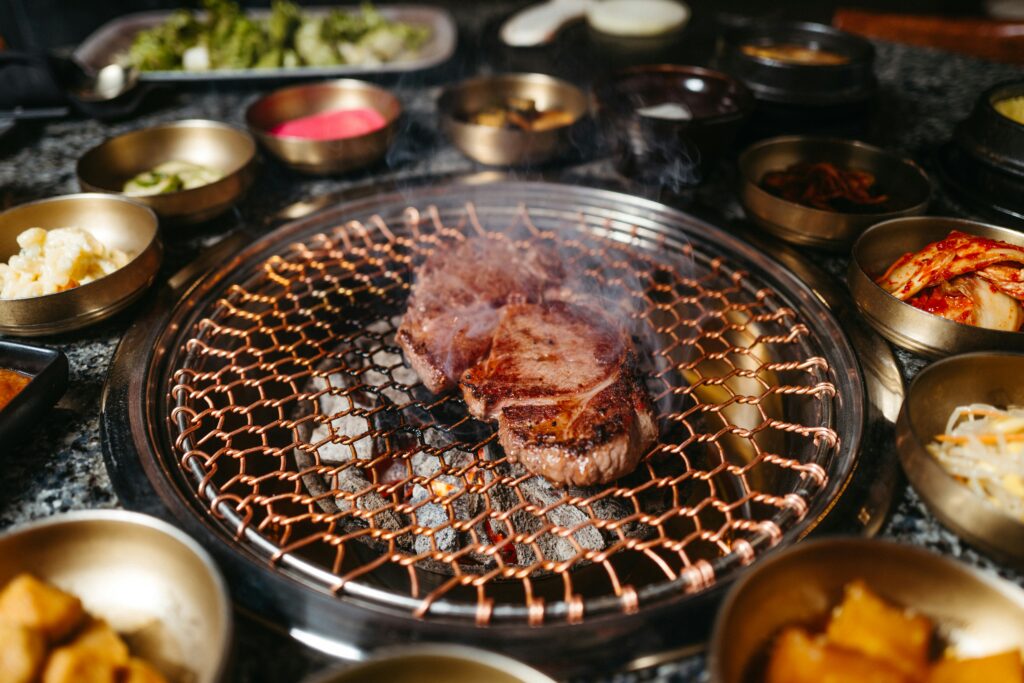
Dallas has a food reputation that it has not always deserved and is now beginning to earn. The city’s restaurant scene has developed quickly in the last decade, pulled in part by the diversity of its population and in part by the arrival of chefs who recognized that the market was underserved.
Barbecue: Pecan Lodge in Deep Ellum is the Dallas benchmark for Central Texas-style barbecue: brisket sliced to order, ribs that require no sauce, links that do. The queue on weekends runs long. Cattleack BBQ in far north Dallas requires planning but produces the kind of brisket that ends debates. Terry Black’s Barbecue, from the Austin dynasty, opened a Dallas location on Main Street and is the most accessible of the three for visitors staying central.
Tacos: El Ranchito on Commerce Street has been serving South Texas-style breakfast tacos at the same counter since the 1970s. Fuel City near the Trinity River is a gas station that operates a taco stand from the parking lot that has been written about in national food media without losing its straightforwardness. The tacos cost $2 to $3.
Tex-Mex proper: Mia’s Restaurant on Lemmon Avenue has served the city’s politicians, athletes and longtime residents since 1981. The enchiladas are the standard. The margaritas are adequate. The combination is the point.
Practical Notes for World Cup Fans in Dallas
Getting around: Dallas is a car city. The DART Light Rail system covers downtown, Deep Ellum, the Uptown corridor and connections to the airport adequately, but it does not reach AT&T Stadium in Arlington. For match days, Uber or a rental car is the realistic option. Book rental cars through Rentalcars.com well in advance; tournament-period rates have increased significantly across Texas host cities.
Accommodation: Dallas hotel rates during the tournament average around $220 per night for mid-range properties, making it one of the more affordable US host cities. Arlington itself has options close to the stadium at rates below Dallas proper. Booking.com and Airbnb both have strong inventory. The Uptown neighborhood and the Arts District offer the best combination of location and quality for fans staying in the city center.
Weather: Dallas in June and July is seriously hot. Temperatures regularly reach 36 to 40 degrees Celsius and the humidity is lower than Houston but still present. Outdoor activities before 10am and after 6pm. Carry water. The shade-free walk from a parking lot to a stadium entrance is longer than it looks in the afternoon heat.
Connectivity: Airalo for US eSIM. Download Google Maps offline for both Dallas and Fort Worth before relying on mobile data.
Plan Your Dallas Off-Days
The Traveneur Trip Planner builds a complete day-by-day Dallas itinerary around your travel style in two minutes. Budget Backpacker, Independent Traveler, Comfort Seeker or Adventure Traveler: same city, different trip.
The Texas Two Cities Are Better Than Either One Alone
The mistake most World Cup fans will make in this part of the tournament is staying in their hotel between matches and underestimating what’s around them. Dallas and Fort Worth together cover a range of experience that most international travelers have no reference point for: the urban South, Western heritage done without irony, a barbecue culture that takes itself seriously, and a live music infrastructure that has been running in Deep Ellum for nearly a century.
Two clear days between matches is enough to cover Deep Ellum at night, Bishop Arts in the afternoon and a full day in Fort Worth. The combination lands differently than you expect.
Official Dallas tourism: visitdallas.com. Fort Worth tourism: fortworth.com. DART transit: dart.org. Match schedule: fifa.com/worldcup.
Related Post: How to Travel Between World Cup 2026 Host Cities: Flights, Trains, Road Trips and the Routes Worth Taking