Things to Do in Miami Between World Cup 2026 Games: Neighborhoods, Everglades and the Florida Beyond the Beach
Things to do in Miami between World Cup 2026 games start well before you reach South Beach. Hard Rock Stadium in Miami Gardens hosts 6 matches during the tournament, including Brazil vs Mexico on June 19, Spain vs Uruguay on June 23 and a Round of 16 on July 5. For a city with Miami’s cultural density, a few days between matches is not a problem to solve. It’s an opportunity most fans will underuse.
Miami is two cities operating simultaneously. The first one is the postcard: Ocean Drive, Art Deco facades, rooftop pools, nightclubs that open at midnight. The second one is the city that built it and still runs it: a majority Latino metropolis where Spanish is not a second language but a first one, where Little Havana functions as a genuine neighborhood rather than a cultural exhibit, where Haitian Creole and Brazilian Portuguese and Colombian Spanish mix on the same blocks in ways that produce one of the most distinct urban cultures in North America. Both cities are real. The second one is considerably more interesting to spend time in.
This guide covers three to four days in Miami for fans whose schedule runs between World Cup matches. It skips the postcard and starts in the neighborhoods.
Getting to Hard Rock Stadium
Hard Rock Stadium sits at 347 Don Shula Drive in Miami Gardens, 15 miles north of downtown Miami. The Metrorail does not reach the stadium directly; the closest station is Palmetto on the Orange Line, from which a shuttle or Uber covers the remaining distance on match days. Official FIFA shuttles will run from designated fan zones; check fifa.com/worldcup for updated match-day transport information as the tournament approaches.
Uber and Lyft work reliably for the approach but surge after the final whistle. Walk away from the stadium exit before opening the app. Parking is available but sells out for major fixtures; book through official channels.
Wynwood: Street Art, Food and the Neighborhood That Reinvented Itself
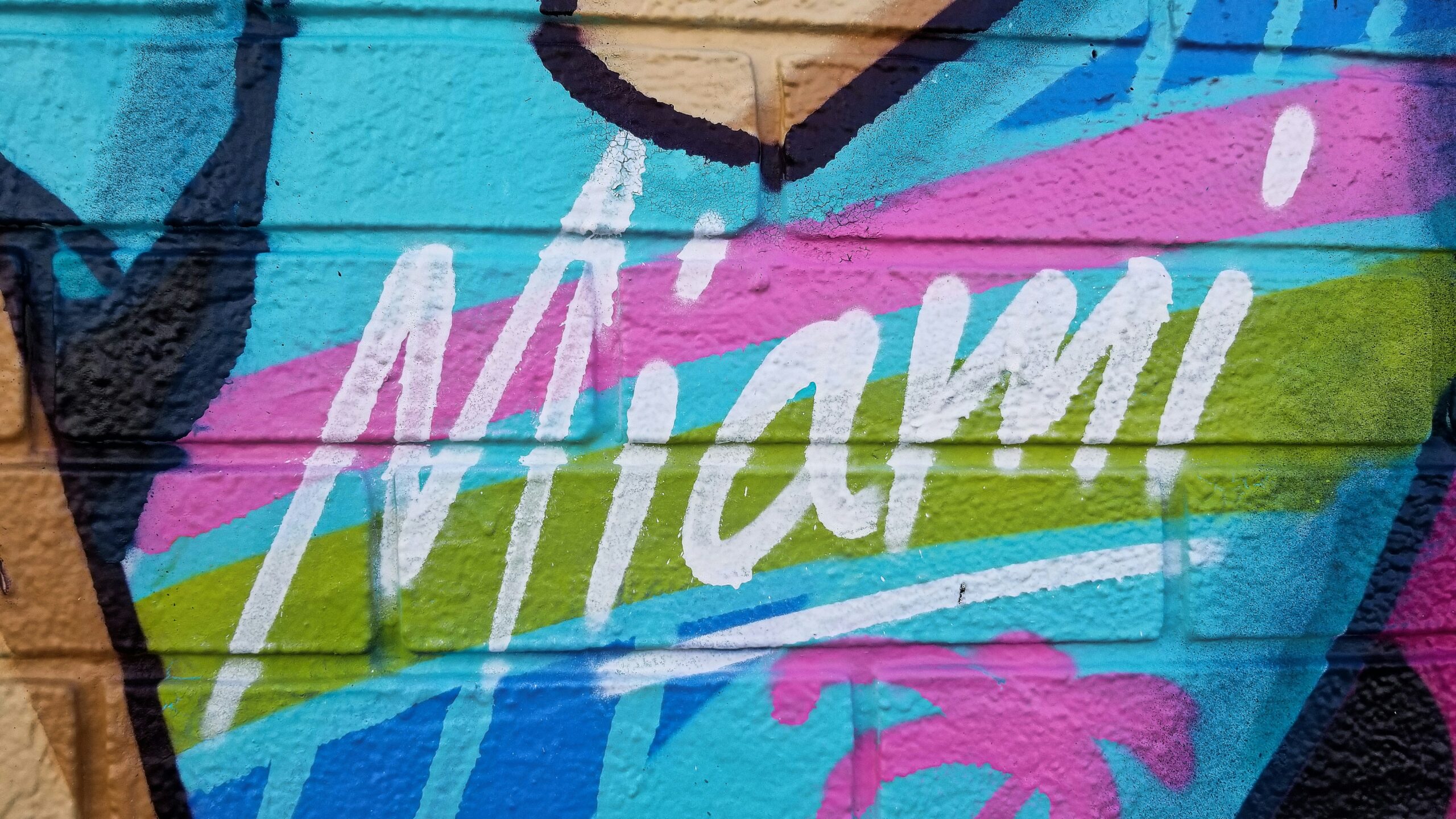
Wynwood is the most internationally recognizable neighborhood in Miami and has managed to remain worth visiting despite that recognition. The Wynwood Walls, a curated outdoor gallery covering roughly two city blocks of warehouse exteriors, was started by developer Tony Goldman in 2009 with murals by international street artists. The collection updates regularly and the surrounding blocks have expanded the concept across the entire neighborhood, making a walk through Wynwood a continuous sequence of large-format work.
The food and coffee scene surrounding the walls runs from excellent to overpriced depending on where you sit. Wynwood Kitchen and Bar is reliable for Latin-inflected plates in a covered outdoor space. Panther Coffee on NW 2nd Avenue is where the city’s specialty coffee culture is most concentrated; a second location operates in Coconut Grove. For food with more local credibility, the stretch of NW 29th Street north of the Walls holds Colombian bakeries and Venezuelan areperas that have been there longer than the art tourism.
Little Havana: The Real One
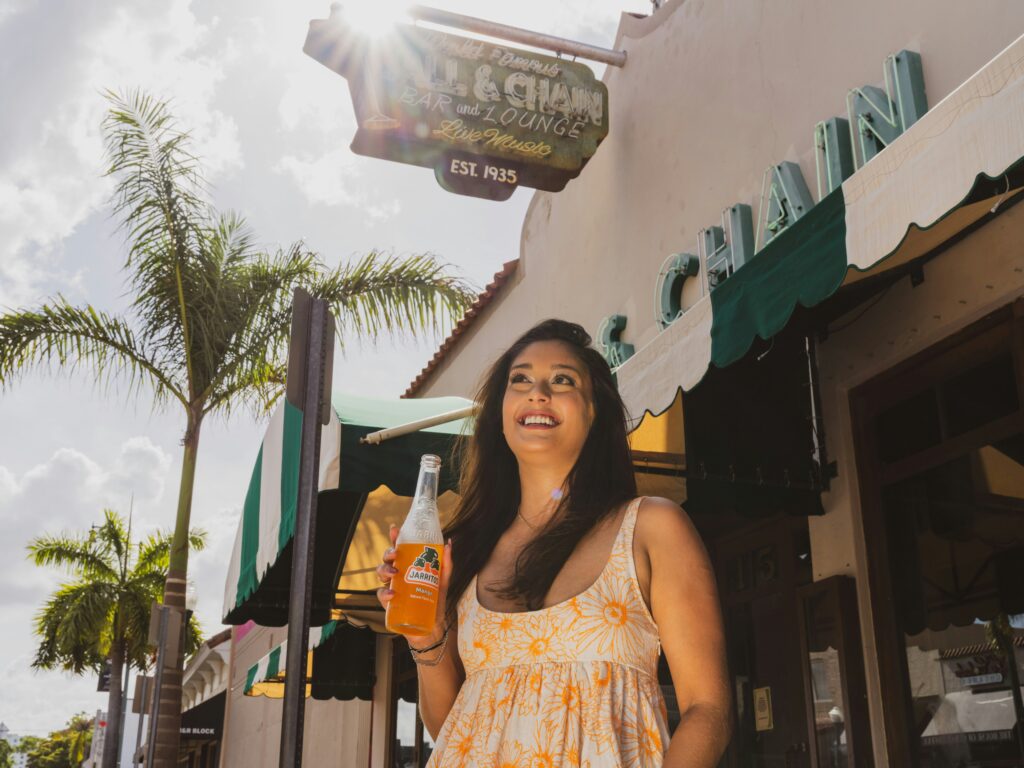
Little Havana along SW 8th Street (Calle Ocho) is the kind of neighborhood that gets described as a cultural attraction when it is actually a place where people live. The distinction matters. Domino Park at Maximo Gomez Park is a genuine gathering point for older Cuban men who have been playing dominoes there for decades, not a re-enactment. The ventanitas (walk-up windows) serving Cuban coffee along Calle Ocho charge $1 to $2 for a colada (a small cup of sweet espresso poured into smaller cups and shared) because that is what coffee costs here, not because it’s a deal designed for tourists.
Ball and Chain at 1513 SW 8th Street is a bar that has operated on the same corner since 1935, closed for decades, reopened in 2014, and now runs live salsa and Afro-Cuban music most nights in a space that feels like it has not needed to try too hard to be what it is. Friday and Saturday nights are the best and the most crowded.
The Tower Theater on Calle Ocho, a 1926 Art Deco cinema, screens Spanish-language and international films and is the neighborhood’s cultural anchor in the most literal sense. Versailles Restaurant across the street has been feeding the Cuban exile community and anyone else who wanders in since 1971; the media noche sandwich and the Cuban coffee are the two things to order.
Design District and Brickell
Miami’s Design District sits north of Wynwood and runs a different demographic. Luxury retail, international art galleries and architecture-forward restaurants occupy the blocks around NE 2nd Avenue. It is an expensive neighborhood to eat in but an interesting one to walk through, particularly the Institute of Contemporary Art Miami (ICA Miami) at 61 NE 41st Street, which charges no admission and runs a strong rotating exhibition program.
Brickell, south of downtown, is Miami’s financial district and holds the highest concentration of mid-range and upscale hotels in the city at rates slightly below South Beach properties. The Mary Brickell Village mall is not a destination, but the surrounding streets of Brickell City Centre hold enough restaurant variety for a solid evening. Brickell is also the most practical base for fans using the Metrorail, which connects to the airport (25 minutes, $2.25) and to Coconut Grove and Coral Gables without a car.
Day Trip: The Everglades
The Florida Everglades begin less than an hour west of Miami on the Tamiami Trail (US-41) and represent one of the most ecologically unusual landscapes in North America: a slow-moving river of grass covering 1.5 million acres, home to American alligators, West Indian manatees, Florida panthers and over 350 species of birds.
The most accessible entry point for a Miami day trip is Everglades National Park’s Royal Palm area, 38 miles southwest of the city via FL-9336. The Anhinga Trail, a 0.8-mile boardwalk loop through sawgrass prairie and cypress forest, is the single best hour you can spend in the park: alligators sunning on the bank within feet of the path, anhinga birds drying their wings on overhanging branches, the specific silence of a place operating entirely on its own terms. Entry fee for the park is $35 per vehicle.
Airboat tours operate from several private outfitters along the Tamiami Trail before the park entrance; they are loud and effective at covering ground quickly and showing wildlife. Coopertown Airboats at 22700 SW 8th Street, in business since 1945, is the most established of the operators. Tours run $25 to $35 per adult.
A rental car is required for this day trip. No public transport connects Miami to the Everglades. Book through Rentalcars.com or Discover Cars in advance; tournament-period rates are elevated.
Day Trip: Key West, 3.5 Hours South
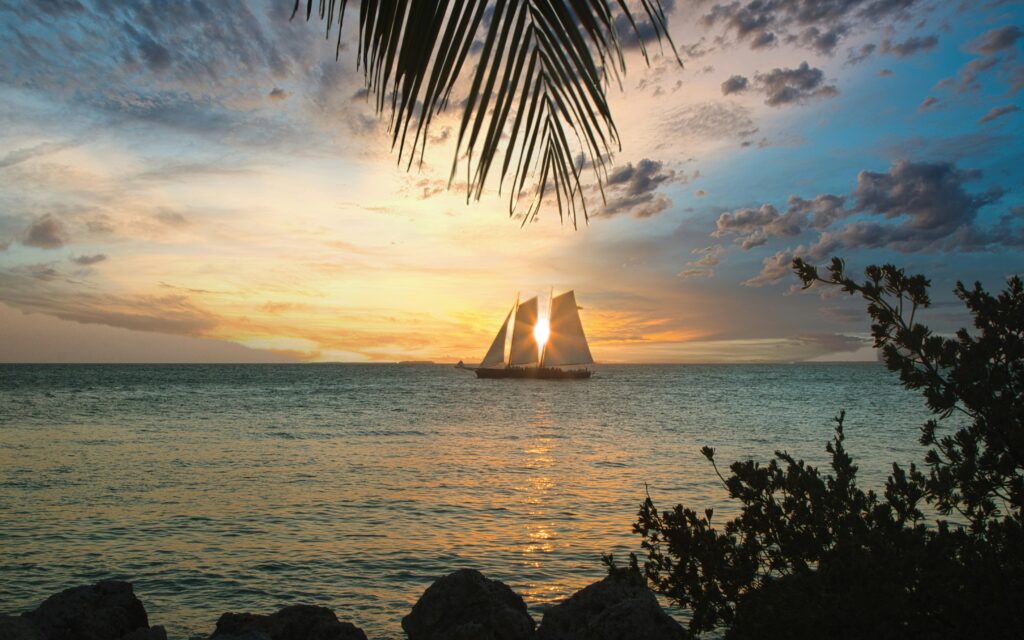
Key West requires a full day and a decision about whether you want to drive or fly. The Overseas Highway runs 160 miles south through 42 bridges connecting the Florida Keys, ending at the southernmost point of the continental United States. The drive takes 3 to 3.5 hours from Miami and is worth it once; the road itself, crossing open water for extended stretches with nothing but the Atlantic on one side and the Gulf on the other, is the experience.
Key West operates as a self-contained world at the end of that drive: a small island city of 25,000 permanent residents, 30,000 transient party tourists and one of the most distinct local cultures in Florida. Duval Street, the main tourist drag, is avoidable. The residential streets of the Old Town, lined with conch houses and bougainvillea, the waterfront at Mallory Square at sunset, and the cemetery in the center of the island where the headstones carry epitaphs the occupants apparently chose themselves, are not.
Budget Airlines including Silver Airways fly Miami to Key West in 45 minutes for $60 to $120 round trip, avoiding the drive if your schedule is tight.
Practical Notes for World Cup Fans in Miami
Getting around: Miami is more transit-friendly than most Florida cities but still fundamentally built for cars. The Metrorail covers the airport, downtown, Brickell, Coconut Grove and Coral Gables. The Metromover is a free automated loop through downtown and Brickell. For Wynwood, Little Havana, the Design District and the beaches, Uber and Lyft are the practical options or a rental car for anyone doing day trips. Download Google Maps offline before relying on mobile data.
Accommodation: Miami is one of the most expensive host cities in the tournament, with mid-range hotel rates running $400 to $500 per night during peak match weeks in South Beach. Brickell and downtown properties run noticeably lower at $200 to $320 for equivalent quality, with better transit access. Miami Gardens, near Hard Rock Stadium, is cheaper still. Book with free cancellation through Booking.com or Airbnb immediately; South Beach inventory is critically limited during the tournament window.
Weather: Miami in June and July is hot and humid. Temperatures hold around 32 to 34 degrees Celsius with humidity that makes it feel higher. Afternoon thunderstorms arrive almost daily, clear quickly, and leave the air briefly cooler. Morning is the best time for outdoor activity. Carry water constantly.
Language: Miami is majority Spanish-speaking and operates bilingually in ways that most US cities do not. English works everywhere but Spanish earns a different quality of interaction in Little Havana, Hialeah and the neighborhoods away from the tourist zones. A few words go further than you’d expect.
Connectivity: Airalo for US eSIM before arrival.
Plan Your Miami Days
The Traveneur Trip Planner builds a complete day-by-day Miami itinerary around your travel style in two minutes. Budget Backpacker, Independent Traveler, Comfort Seeker or Adventure Traveler: same city, completely different trip.
The Miami That Earns Its Reputation
Miami’s reputation for surface and spectacle is not wrong; it just describes one layer of a city with several more underneath it. The fans who spend two days in Little Havana, walk Wynwood at 7am before the crowds, drive the Overseas Highway to Key West, and wade into the Everglades at dawn will leave with stories that don’t involve a pool deck. That version of Miami is available to anyone willing to drive or walk past the hotel’s front entrance.
Official Miami tourism: miamiandbeaches.com. Everglades National Park: nps.gov/ever. Match schedule: fifa.com/worldcup.
Related Post: How to Travel Between World Cup 2026 Host Cities: Flights, Trains, Road Trips and the Routes Worth Taking