Things to Do in Atlanta Between World Cup 2026 Games: The American South Beyond the Stadium
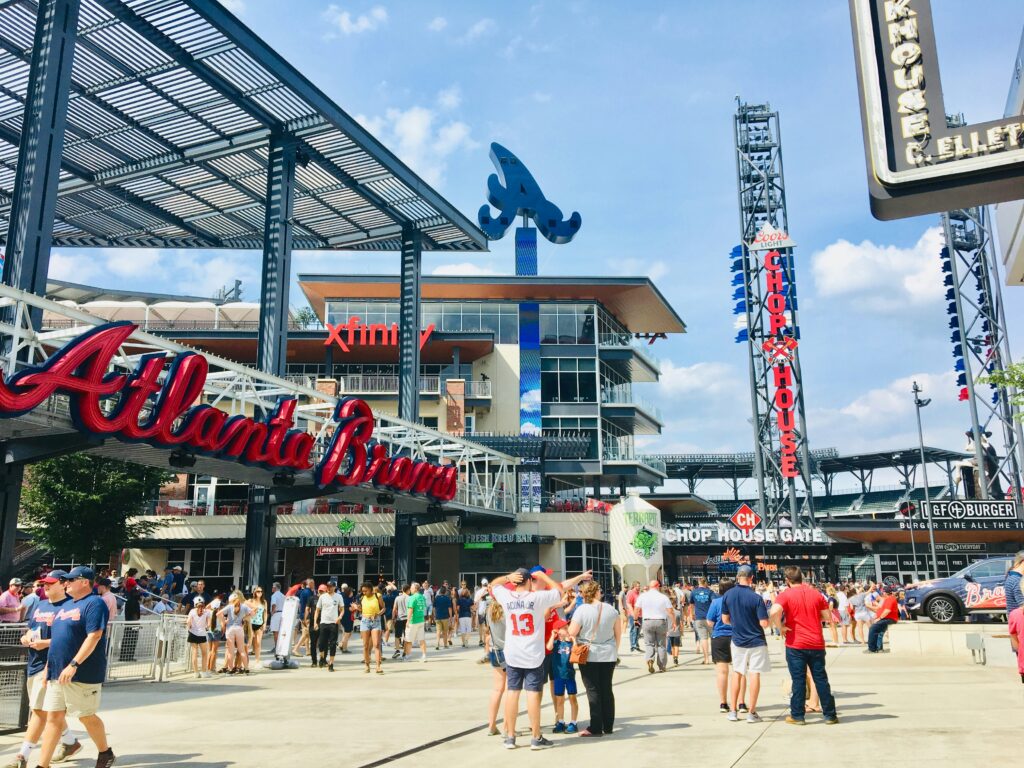
Things to do in Atlanta between World Cup 2026 games go considerably further than most international fans anticipate. Mercedes-Benz Stadium hosts 6 matches during the tournament, including Mexico vs Poland on June 15, Portugal vs Morocco on June 24 and a Round of 16 on July 6. The stadium sits in the center of a city that has been one of the most consequential in American history and is currently one of the most interesting to spend time in: a majority Black metropolis with a civil rights legacy that is still physically present, a food scene that has been one of the most talked-about in the South for a decade, and an outdoor trail system that runs 33 miles through the city without touching a single highway.
Atlanta is also the entry point to a region most international travelers never reach. The Blue Ridge Mountains begin two hours north. Chattanooga, Tennessee, sits 1.5 hours away and packs more per square mile than its population of 180,000 would suggest. The city has been shaped by Delta Airlines, Coca-Cola and the civil rights movement, and its culture reflects all three in ways that surprise visitors who arrive expecting a generic American Sun Belt city.
Getting to Mercedes-Benz Stadium
Mercedes-Benz Stadium sits at 1 AMB Drive NW, a 10-minute walk from the MARTA Vine City and State Farm Arena stations on the Red and Gold Lines. MARTA is the most practical option for match days; parking in the stadium district fills quickly and post-match traffic on the downtown connector is severe. A single MARTA ride costs $2.50 with a Breeze card or contactless tap. Download Google Maps for transit directions; the MARTA app handles trip planning adequately.
Sweet Auburn: Where the Civil Rights Movement Lived
Sweet Auburn, the neighborhood east of downtown along Auburn Avenue, is where Martin Luther King Jr. was born, preached and is buried. It is also, more broadly, where the infrastructure of Atlanta’s Black middle class was built during the era of segregation: the offices of the Atlanta Life Insurance Company, the offices of the Atlanta Daily World, the buildings that housed the businesses and institutions that operated outside the white economy by necessity and built something lasting in the process.
The Martin Luther King Jr. National Historical Park covers several blocks of Auburn Avenue and includes the Birth Home, Ebenezer Baptist Church where King and his father both preached, and the King Center where he and Coretta Scott King are buried. Entry to all sites is free. The Birth Home requires a timed entry ticket from recreation.gov; book ahead. The center and church can be visited without a reservation.
Walk Auburn Avenue east of the park into the neighborhood that surrounds it. The buildings tell the story in a way that the interpretive panels inside the park cannot fully replicate. The block between Boulevard and Randolph Street contains a density of historically significant buildings that most American cities would organize an entire tourism economy around. Atlanta has not fully done that yet, which means you can walk it quietly.
The BeltLine: 33 Miles of Trail Through the City’s Neighborhoods
The Atlanta BeltLine is a former rail corridor that has been converted into a 33-mile loop of walking and cycling trails connecting 45 neighborhoods across the city. It is the largest urban trail project in the United States and, on a practical level for World Cup fans, the best single infrastructure for understanding how Atlanta’s distinct neighborhoods relate to each other.
The Eastside Trail runs from Ponce City Market south through Inman Park and Reynoldstown, passing community gardens, public art installations and the back porches of neighborhoods that built themselves around the trail rather than the other way around. The distance from Ponce City Market to Krog Street Market is about 1.5 miles and takes 25 to 35 minutes on foot; both ends have food options that justify the walk.
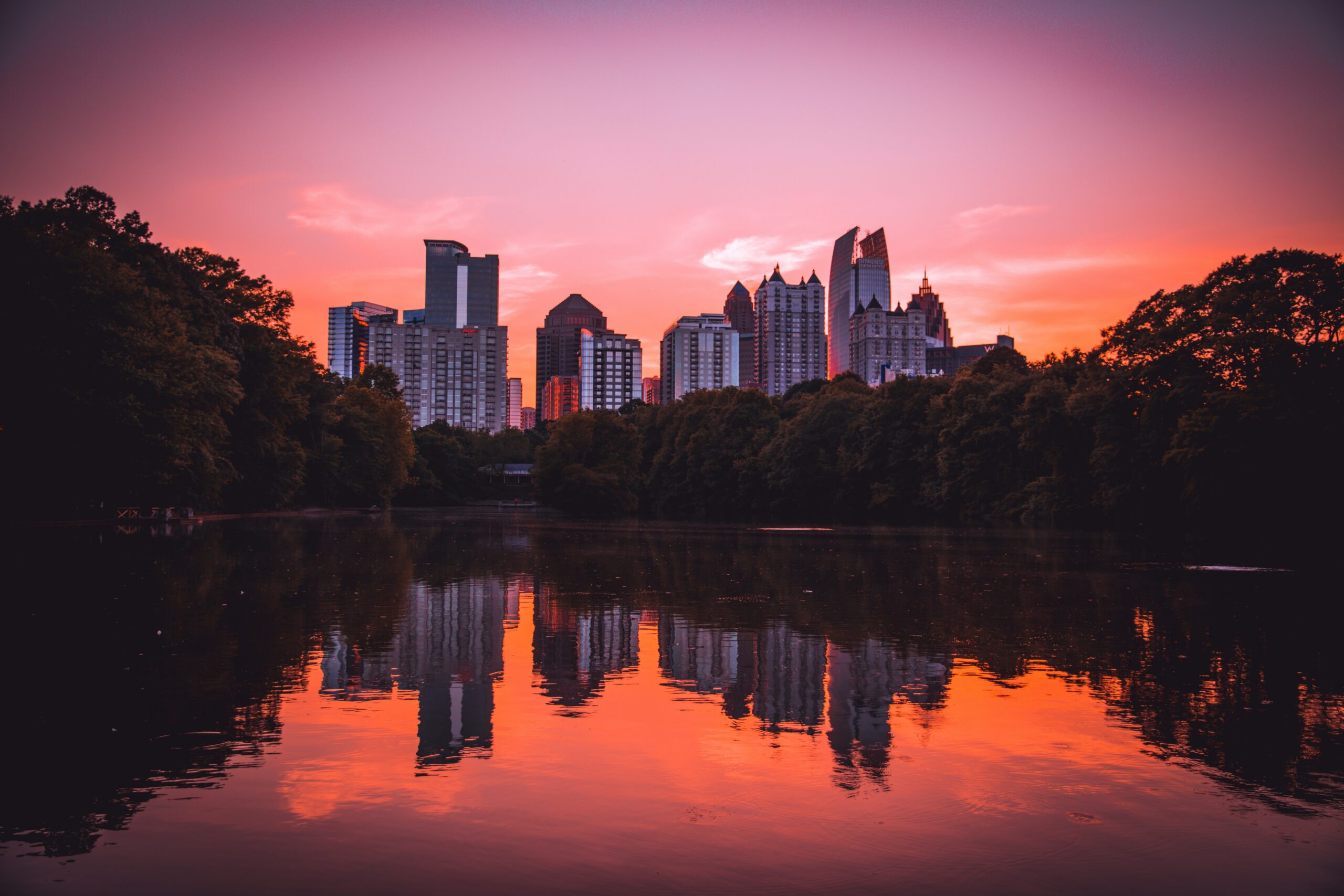
Ponce City Market itself occupies a 1926 Sears, Roebuck warehouse that has been converted into a food hall, retail space and office building. The Central Food Hall on the ground floor holds a mix of local vendors running from adequate to excellent; Fox Bros. Bar-B-Q and H&F Burger are the two worth seeking. The rooftop holds a small amusement park, a bar and a view of midtown Atlanta that explains the city’s skyline better than any map.
Inman Park and Little Five Points
Two adjacent neighborhoods east of downtown that operate as Atlanta’s most walkable and independently commercial zones.
Inman Park is a Victorian neighborhood developed in 1890 as Atlanta’s first planned suburb, full of large Queen Anne and Craftsman houses on wide streets. The restaurant strip along Elizabeth Street and Edgewood Avenue holds some of the city’s best independent cooking: Staplehouse, a James Beard Award-winning restaurant in a converted house, requires a reservation months in advance but is worth attempting; the nearby bars and casual spots along Edgewood do not require planning.
Little Five Points, just east, is Atlanta’s longest-running counterculture neighborhood: vintage clothing stores, record shops, a co-op grocery that has been operating since 1975, tattoo parlors and bars that have been the same bars for decades. The Variety Playhouse on McLendon Avenue books mid-size touring acts and has the best sound system in the neighborhood. For food, the Vortex Bar and Grill on Moreland Avenue serves the city’s best burgers in a building whose entrance is a giant skull.
Day Trip: Chattanooga, Tennessee
Chattanooga sits 100 miles northwest of Atlanta on the I-75, a 1.5-hour drive that passes through the last foothills of the Appalachians before they flatten into Georgia’s piedmont. The city sits in a bowl between the Cumberland Plateau and Lookout Mountain, on a bend in the Tennessee River, and has spent the last two decades converting its industrial waterfront into one of the more interesting small-city public spaces in the American South.
The Tennessee Riverwalk runs 16 miles along both banks and is where the city goes on weekend mornings. The Hunter Museum of American Art on the bluff above the river is free on the first Thursday of every month and holds a genuinely strong collection of American art from the colonial period through contemporary. The Bluff View Art District directly below it is a cluster of galleries, cafés and restaurants in Victorian houses with river views.
Lookout Mountain, the 2,389-foot ridge that rises above the city’s south side, holds Rock City Gardens, Ruby Falls (a 145-foot underground waterfall inside the mountain) and the site of the Civil War’s Battle Above the Clouds. The Incline Railway, the world’s steepest passenger railway, climbs the mountain from St. Elmo Avenue to the summit at a 72.7 percent grade. Round-trip fare is $16. The view from the top covers seven states on a clear day and is not an exaggeration.
No direct train or bus runs from Atlanta to Chattanooga on a schedule useful for a day trip; a rental car is the practical option. Book through Rentalcars.com.
Day Trip: Blue Ridge Mountains
Two hours north of Atlanta on the GA-400 and US-19, the Blue Ridge Mountains begin in earnest around the towns of Dahlonega and Blue Ridge. Dahlonega was the site of the first US gold rush in 1828, which predates the California rush by 21 years and is a fact that surprises almost everyone who hears it. The town square holds a gold museum, a handful of good wineries in the surrounding hills and the kind of main street that still functions as a main street.
Blue Ridge itself, 30 miles further north, sits at 1,700 feet in the Chattahoochee National Forest and operates as the region’s base for hiking, river tubing and mountain biking. The Toccoa River runs cold and clear through the valley below town; Blue Ridge Canoe and Kayak offers tubing runs on summer days that cost $20 and take about two hours of the afternoon. The town’s restaurant strip along East Main Street punches above its population of 1,300 for quality of food and locally produced craft beer.
Atlanta Food Worth Finding
Atlanta’s food reputation has been building for a decade on the back of a generation of chefs who grew up in the city and stayed. The result is a scene with more genuine local identity than most American cities of comparable size.
Soul food: Busy Bee Cafe on Martin Luther King Jr. Drive has been serving the same fried chicken, collard greens, mac and cheese and cornbread since 1947. The clientele is mixed and the prices have not been adjusted for the tourism it attracts. Cash only.
Barbecue: Fox Bros. Bar-B-Q on DeKalb Avenue is the Atlanta benchmark: Texas-influenced brisket alongside Georgia-style pulled pork, beef ribs on Sundays only, and a bar attached. Heirloom Market BBQ in Smyrna, run by a Korean-American and a Georgian, produces the most original barbecue in the metro area.
New Atlanta cooking: Staplehouse’s tasting menu is the standard for fine dining. For something more casual with similar local sourcing, Lazy Betty in Ponce City Market and The Optimist on Howell Mill Road (seafood-focused) represent the mid-range version of where Atlanta cooking has arrived.
Practical Notes for World Cup Fans in Atlanta
Getting around: MARTA covers the airport (30 minutes, $2.50), downtown, midtown, Buckhead and the match venue. For BeltLine access, Sweet Auburn, Little Five Points and Inman Park, walking and Uber are practical. For Chattanooga and the Blue Ridge Mountains, a rental car is required.
Accommodation: Atlanta averages around $220 per night for mid-range properties during the tournament, one of the more affordable US host cities. Midtown and the Old Fourth Ward neighborhoods offer the best proximity to both the stadium and the BeltLine. Booking.com and Airbnb have strong inventory.
Weather: Atlanta in June and July is hot and humid, typically 32 to 35 degrees Celsius with afternoon thunderstorms that arrive and clear quickly. The mountains run 8 to 10 degrees cooler than the city. Morning outdoor activity before 10am is significantly more comfortable than afternoon.
Connectivity: Airalo for US eSIM before arrival.
Plan Your Atlanta Days
The Traveneur Trip Planner builds a complete Atlanta itinerary around your travel style in two minutes. Budget Backpacker, Independent Traveler, Comfort Seeker or Adventure Traveler: the same city produces four different trips.
The South That Atlanta Opens
Atlanta is a gateway in the literal sense: the busiest airport in the world by passenger volume, the city through which the American South absorbs most of its international arrivals. Fans who use the days between matches to walk Auburn Avenue, follow the BeltLine through the neighborhoods, drive north into the mountains or west into Chattanooga’s river valley will leave with something they didn’t anticipate. The American South at this scale and in this city is not what most international travelers have a reference point for. That’s worth something.
Official Atlanta tourism: discoveratlanta.com. Atlanta BeltLine: beltline.org. MARTA transit: itsmarta.com. Match schedule: fifa.com/worldcup.