Things to Do in Houston Between World Cup 2026 Games: The Most Diverse City in America Beyond NRG Stadium
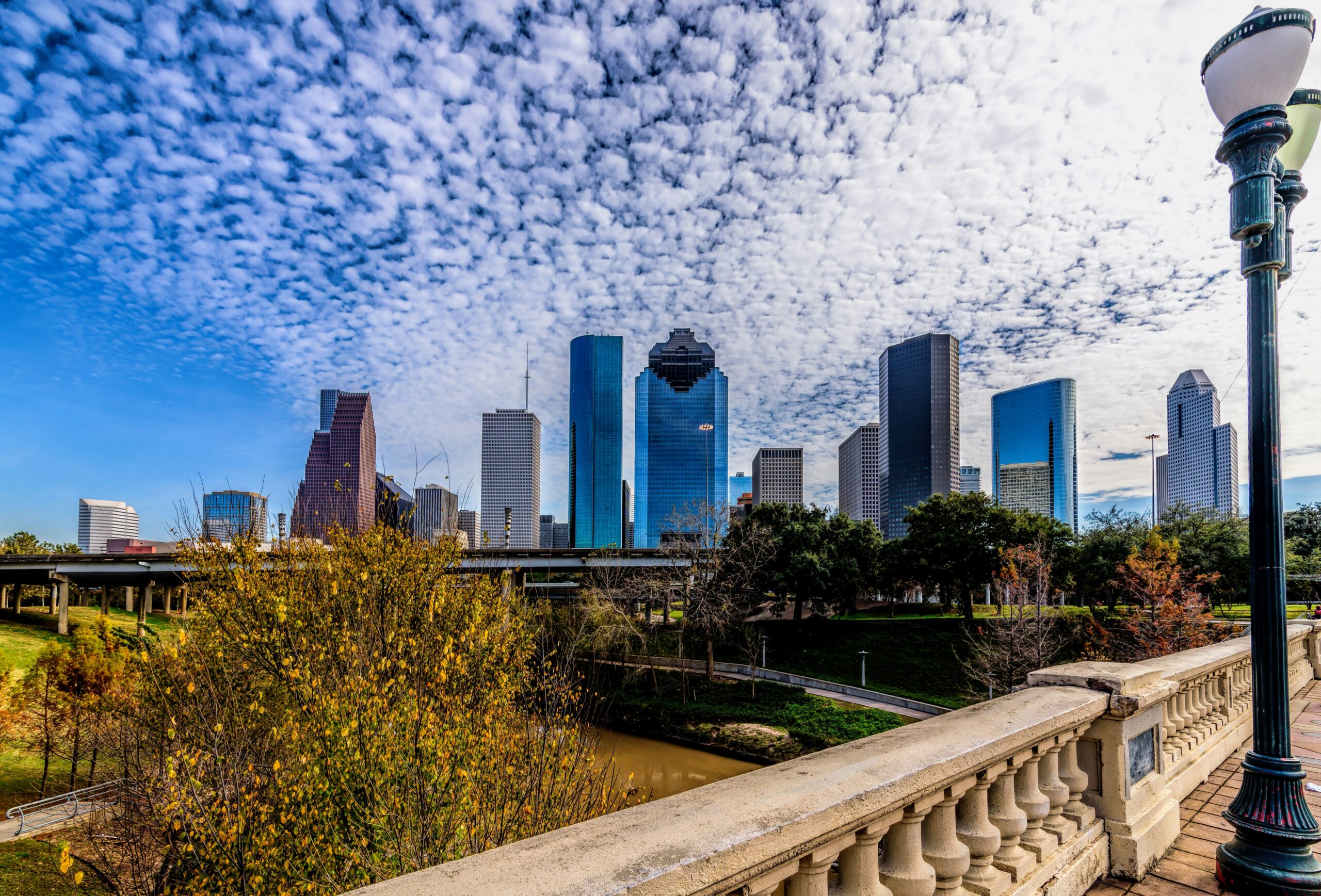
Things to do in Houston between World Cup 2026 games begin with a fact that most visitors don’t know before they arrive: Houston is the most ethnically diverse large city in the United States. More than 145 languages are spoken within city limits. The restaurant landscape reflects this directly and without apology, producing a food city that most international travelers leave stunned by and talking about for years.
NRG Stadium hosts 6 matches during the tournament, including Italy vs Ecuador on June 16, Netherlands vs Senegal on June 21 and a Round of 16 on July 7. The stadium sits 4 miles south of downtown in the NRG Park complex, accessible by METRORail and Uber alike. What surrounds it, across 670 square miles of city, is the kind of urban diversity that produces a Vietnamese-Mexican fusion taqueria in a strip mall next to a Sichuan hot pot restaurant next to a Nigerian suya spot, and all three are excellent, and none of them are on a tourist map.
This guide covers three to four days between matches in a city that rewards curiosity more than planning.
Getting to NRG Stadium
NRG Stadium sits at 1 NRG Parkway. The METRORail Red Line stops at NRG Park Station, directly adjacent to the venue. A single ride costs $1.25 with a Q card or contactless tap. The Red Line runs from downtown Houston through the Texas Medical Center to NRG Park; journey time from downtown is approximately 20 minutes.
Post-match Uber and Lyft surge significantly in the immediate stadium zone. Walk toward Main Street before requesting a pickup. The METRORail return is the most reliable and cheapest option after the final whistle.
The Montrose and Midtown: Where Houston Eats and Stays Up Late
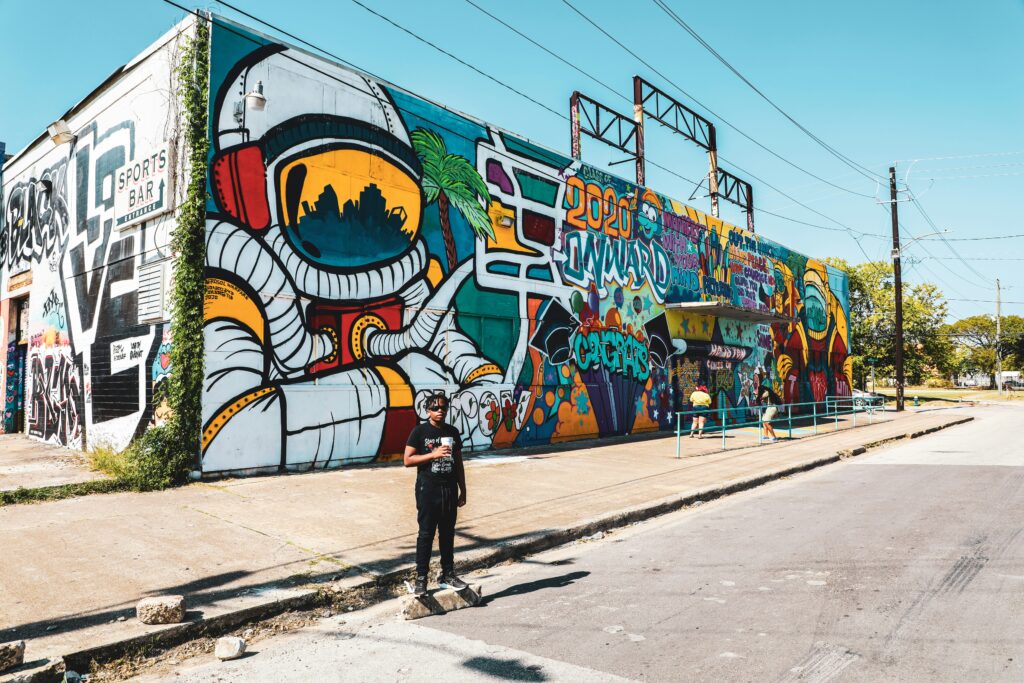
Montrose is the neighborhood that gives Houston its cultural texture. Galleries, independent bookshops, the Menil Collection, dive bars and restaurants with genuine points of view occupy the grid of streets between Westheimer Road and Allen Parkway. It is the neighborhood where the city’s LGBTQ+ community built its infrastructure, where the art scene is most concentrated, and where the restaurants are most likely to be doing something original.
The Menil Collection at 1533 Sul Ross Street is one of the great small art museums in the world and charges no admission. John and Dominique de Menil assembled the collection over four decades and donated it to the city with the explicit condition that it remain free. The permanent collection covers Surrealism, African and Oceanic art, Byzantine icons and contemporary work in a building designed by Renzo Piano that handles natural light with unusual intelligence. The surrounding Menil campus holds the Rothko Chapel, a nondenominational meditation space hung with fourteen large black paintings by Mark Rothko, and the Dan Flavin Installation at Richmond Hall across the street. None of these require tickets. All of them justify a half-day.
For food in Montrose, Underbelly Hospitality’s portfolio covers the neighborhood. Chris Shepherd’s restaurants have been the reference point for serious Houston cooking for over a decade; Underbelly, his original concept celebrating Houston’s multicultural food culture, set the tone. The Blood Bros. BBQ on Bellaire runs Korean-Texan barbecue that is genuinely its own thing rather than a concept.
Midtown, east of Montrose, is where Houston’s nightlife is most concentrated along Main Street and Gray Street. The bars run from sports bars to cocktail rooms; the food between them is reliable and cheap.
The Houston Chinatown and Bellaire Boulevard
Houston’s Chinatown is not in a historic district downtown. It is a sprawling commercial corridor along Bellaire Boulevard in southwest Houston, built over the last 40 years as Chinese, Vietnamese, Korean and other Asian communities moved southwest from downtown. It is one of the largest Asian commercial districts in the United States and its food density per block is extraordinary.
Dim sum at Fung’s Kitchen on Southwest Freeway is the standard reference for Houston’s Chinese food community. The carts run from 10am on weekends and require no reservation. Viet Hoa Supermarket on Wilcrest Drive is where the city’s Vietnamese restaurants shop; walking through it is a food education that no restaurant meal replicates. For banh mi, Les Givral’s on Milam Street in Midtown has been producing the city’s most-referenced Vietnamese sandwiches for decades. For boba and Taiwanese food, the strip malls along Bellaire between Gessner and Beltway 8 contain more options than a week of eating can cover.
The easiest access from downtown is by Uber; the Bellaire corridor is about 20 minutes southwest and does not sit on the METRORail network.
Mahatma Gandhi District and the Indo-Pak Corridor
Along Hillcroft Avenue between Harwin Drive and Southwest Freeway, Houston holds the largest concentration of South Asian businesses outside of the Indian subcontinent. Indian grocery stores, sari shops, gold jewelry dealers, Bollywood DVD vendors and restaurants serving food from Hyderabad, Lahore, Kerala and Punjab occupy a commercial strip that operates at full intensity seven days a week.
Himalaya Restaurant on Southwest Freeway, run by Kaiser Lashkari, has been serving Pakistani and Mughlai cooking to Houston’s South Asian community and anyone else who finds it since 2003. The nihari (slow-braised beef shank), the karahi chicken and the biryani are the reason the restaurant appears in national food coverage despite its location in a strip mall with no signage visible from the street. Lunch runs $12 to $18 per person. It does not take reservations and fills at noon.
Day Trip: Galveston Island
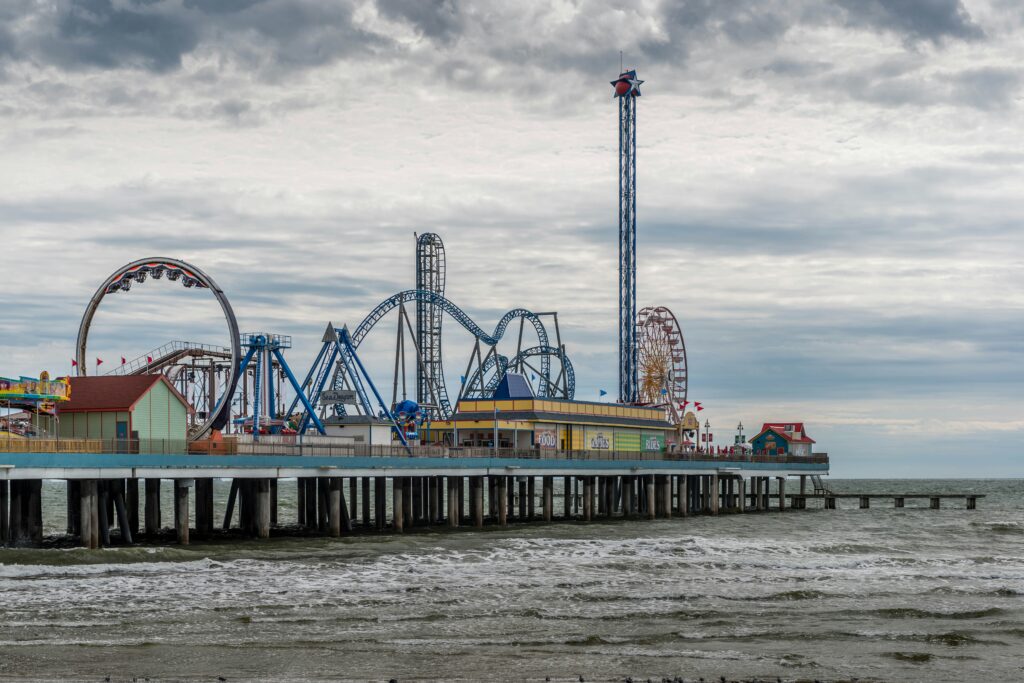
Galveston sits 50 miles south of Houston on the I-45, a 45-minute to 1-hour drive depending on traffic, on a barrier island in the Gulf of Mexico. It is the closest beach to the city and operates as Houston’s weekend escape, which means it can be crowded on summer weekends. The beaches themselves, Stewart Beach and East Beach, are wide and warm; the Gulf water is calm and green rather than blue.
What makes Galveston worth the drive is the historic downtown, the Strand National Historic Landmark District, a 36-block area of Victorian commercial architecture built after the 1900 hurricane that killed an estimated 8,000 people in the deadliest natural disaster in US history. The buildings survived because the city subsequently raised its grade by 17 feet and built a 10-mile seawall; the Strand itself reflects the ambition of a city that believed it would become the major port of the American South before Spindletop shifted everything to Houston.
The Texas Seaport Museum at Pier 21 holds the restored tall ship Elissa, a Scottish-built iron barque from 1877 that is one of the oldest working tall ships in the world. The Ocean Star Offshore Drilling Rig and Museum explains the industry that built modern Houston with more clarity than anything in the city itself.
No public transport runs from Houston to Galveston on a useful schedule. A rental car from Rentalcars.com or a Uber for the day covers it.
Houston Barbecue Worth the Drive
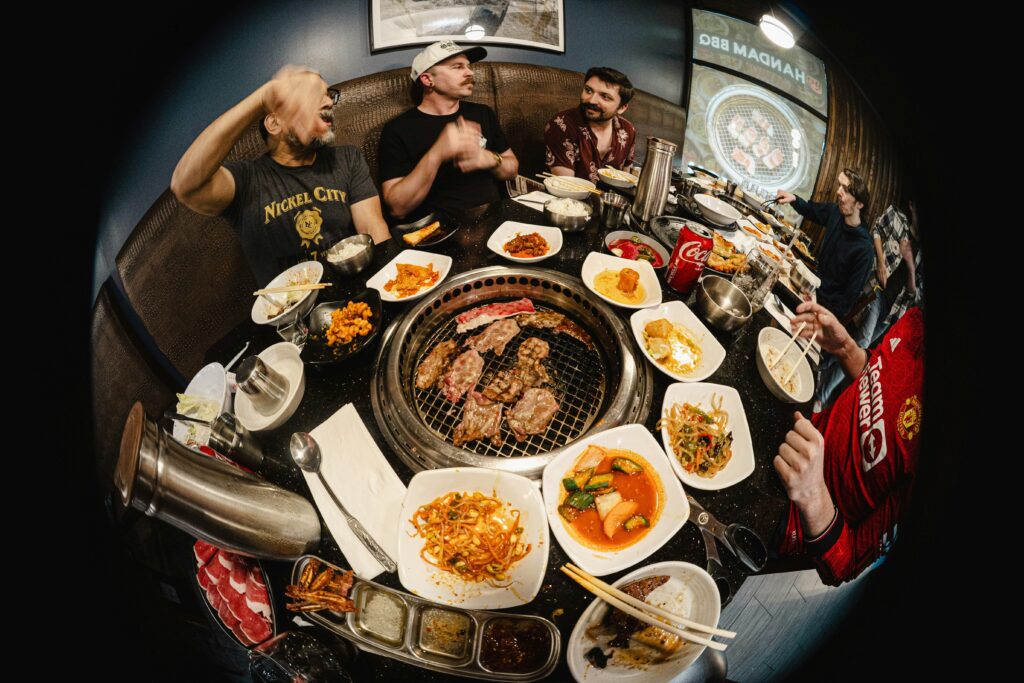
Houston barbecue does not follow the Central Texas model of brisket and post oak that dominates Austin’s reputation. The city’s barbecue tradition reflects its diversity: there is Central Texas-style brisket, but also links and ribs with African-American pit master traditions, Tex-Mex influence, and the Korean-Texan hybrid that Blood Bros. BBQ represents.
Killen’s Barbecue in Pearland, 20 miles south, regularly appears on national best-of lists for its beef ribs, brisket and homemade pies. The queue forms before 9am for an 11am opening; plan accordingly or arrive at opening and hope. Truth BBQ on Washington Avenue is the most accessible from central Houston without a drive to the suburbs.
Practical Notes for World Cup Fans in Houston
Getting around: The METRORail Red Line covers NRG Stadium, the Texas Medical Center, downtown and Midtown reliably. For Montrose, the Chinatown corridor, Galveston and the barbecue suburbs, Uber or a rental car is the realistic option. Houston is a large, spread-out city; distances between areas of interest are greater than in most other host cities.
Accommodation: Houston is one of the most affordable World Cup host cities at around $205 per night for mid-range properties. The Midtown and Montrose neighborhoods provide the best access to food and nightlife. Downtown and the Medical Center corridor are practical for METRORail access to the stadium. Booking.com and Airbnb both have strong inventory.
Weather: Houston in June and July is the hottest and most humid of all the US host cities. Temperatures reach 36 to 38 degrees Celsius with humidity that makes outdoor afternoon activity genuinely uncomfortable. Eat breakfast outside, eat lunch inside, eat dinner outside again after 7pm.
Connectivity: Airalo for US eSIM. Download Google Maps offline; the city’s size means data coverage gaps matter more here than in more compact host cities.
Plan Your Houston Days
The Traveneur Trip Planner builds a complete Houston itinerary calibrated to your travel style in two minutes. Budget Backpacker, Independent Traveler, Comfort Seeker or Adventure Traveler: the same city, different priorities, a completely different trip.
The Houston That Surprises Everyone
The fans who arrive in Houston expecting a petrochemical city with good steakhouses leave talking about the banh mi on Milam Street, the dim sum carts at Fung’s, the Rothko Chapel, the Pakistani nihari in a strip mall on Southwest Freeway. Houston doesn’t present itself for visitors the way cities with stronger tourism brands do. It just exists, at full volume, in 145 languages, and the fans who engage with it on those terms leave with something no other World Cup host city provides in quite the same way.
Official Houston tourism: visithoustontexas.com. METRORail: ridemetro.org. Galveston tourism: galveston.com. Match schedule: fifa.com/worldcup.