Things to Do in Philadelphia Between World Cup 2026 Games: History, Murals and the Neighborhoods Everyone Skips
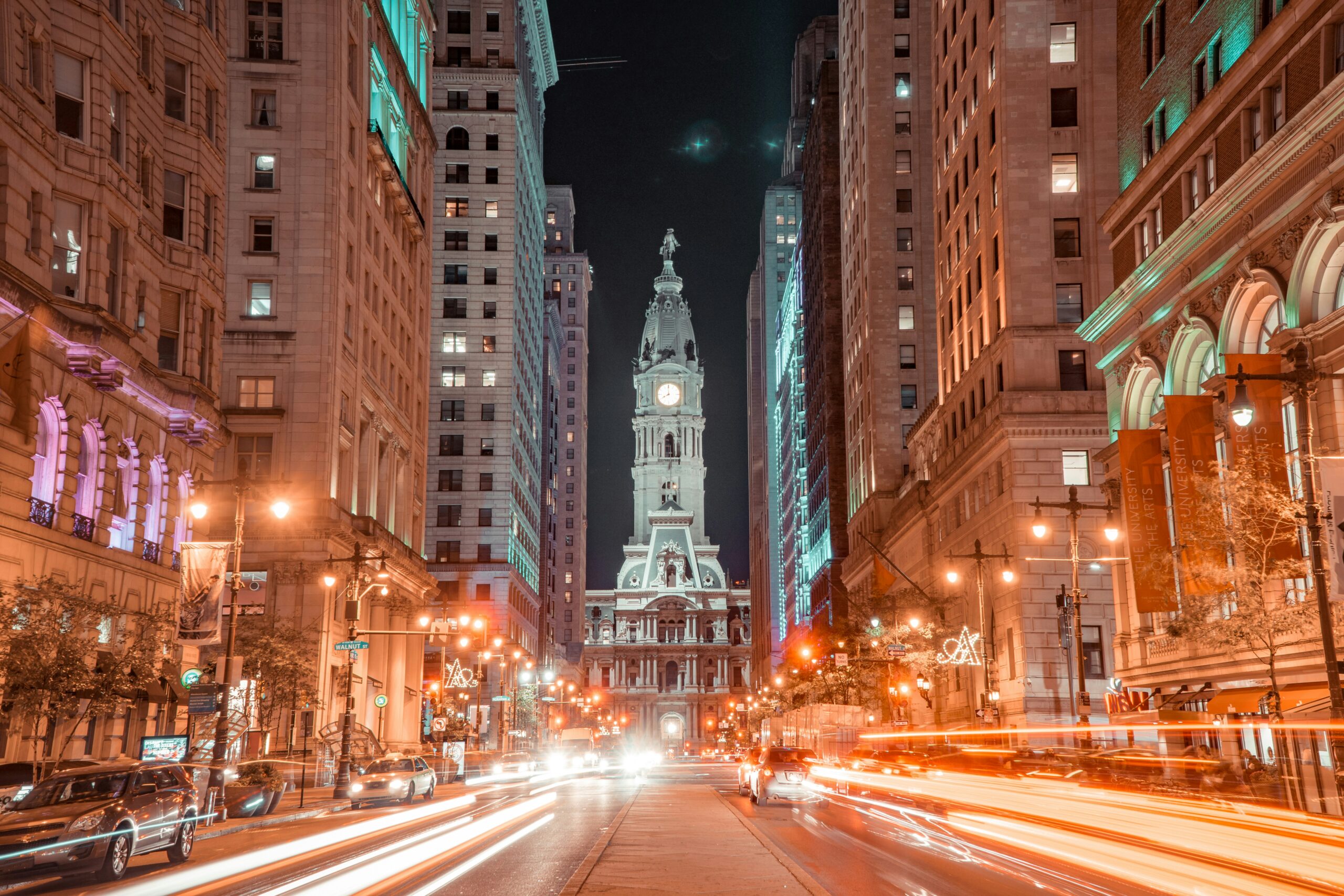
Things to do in Philadelphia between World Cup 2026 games run deeper than the Liberty Bell and a cheesesteak on South Street. Lincoln Financial Field hosts 6 matches during the tournament, including France vs Australia on June 13, Germany vs Japan on June 22 and a Round of 16 on July 6. The stadium sits in South Philadelphia, 7 miles from downtown, a neighborhood that has been home to Italian, Irish, Jewish and now Latino communities in successive waves and that still operates more like a village than a district of a major American city.
Philadelphia in 2026 is also celebrating something that no other host city shares: the 250th anniversary of American independence. The Declaration of Independence was signed here on August 2, 1776, and the city is spending the year hosting the largest commemoration of that event in American history. The programming runs from January through December 2026 and includes events at Independence Hall, Valley Forge, the National Constitution Center and venues across the region. For fans arriving between matches, this context layers onto an already historically significant city in ways that make the visit more interesting than it would be in a non-anniversary year.
Getting to Lincoln Financial Field
Lincoln Financial Field sits at One Lincoln Financial Field Way in South Philadelphia, adjacent to Citizens Bank Park and the Wells Fargo Center in the sports complex along Pattison Avenue. The SEPTA Broad Street Line runs directly to AT&T Station (formerly NRG Station), a short walk from the stadium entrance. A single ride costs $2.50 with a SEPTA Key card or cash. The Broad Street Line connects to Center City in about 15 minutes. On match days, SEPTA runs additional service; post-match trains fill quickly but move efficiently.
Independence National Historical Park: The Anniversary Year Version
Most visitors to Independence Hall spend 45 minutes in the building, photograph the Liberty Bell through its glass enclosure, and consider the visit complete. In 2026, the 250th anniversary programming transforms both sites into something worth considerably more time.
Independence Hall at 520 Chestnut Street is where the Declaration of Independence and the Constitution were both debated and signed. The building is a UNESCO World Heritage Site and entry requires a free timed ticket from recreation.gov during peak season; book several weeks in advance. The ranger-led tour inside the Assembly Room, where the actual votes were taken, is 30 minutes and better than anything the exterior suggests.
The National Constitution Center at 525 Arch Street, a block north, runs the most intellectually serious museum on American democracy in the country. The Signers Hall, which holds life-size bronze statues of all 39 signers of the Constitution, is the most photographed room; the exhibition on constitutional amendments and the ongoing conflicts over their interpretation is the most useful. General admission is $16 for adults.
The America250 programming running through 2026 includes large-scale public events, special exhibitions across multiple venues and a commemorative design installed along the Benjamin Franklin Parkway. Check america250.org for the current schedule.
The Mural Arts Program: 4,000 Murals Across the City
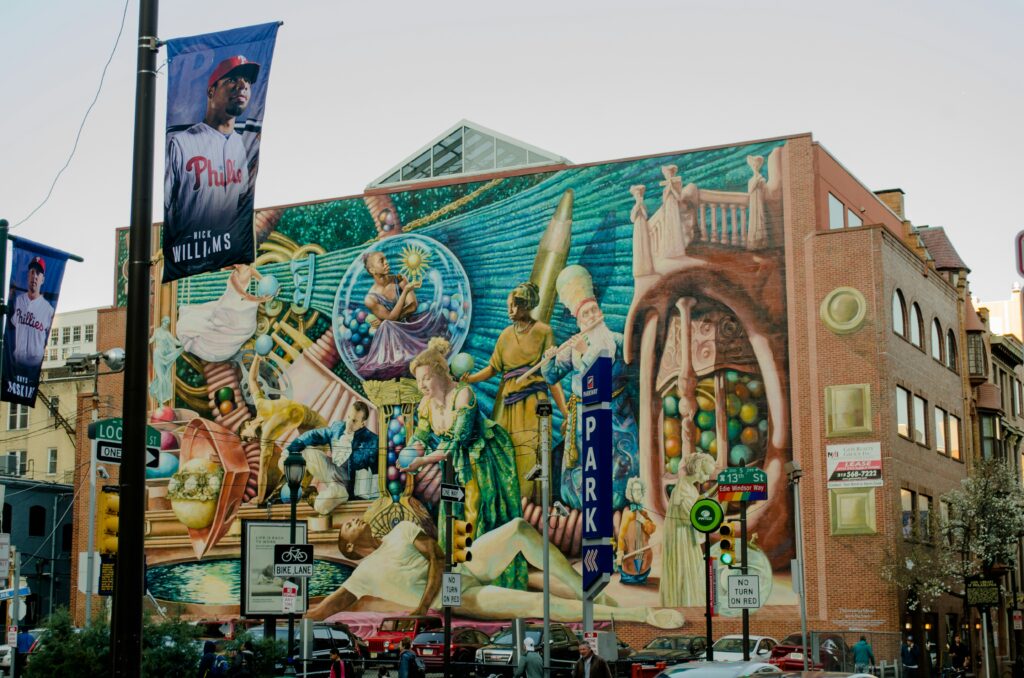
Philadelphia has more outdoor murals than any other American city. The Mural Arts Program, founded in 1984 as part of an anti-graffiti initiative, has commissioned over 4,000 works across every neighborhood in the city, from small residential alleys to massive building-height facades visible from the highway.
The most concentrated mural corridor runs along the Market-Frankford El train from West Philadelphia into North Philadelphia, visible through the train windows without leaving your seat. For a walking tour, the neighborhood of South Philadelphia along Passyunk Avenue holds a dense cluster of murals in a walkable commercial district. The Reading Terminal Market mural on 12th Street, commemorating the market’s 130-year history, covers the entire side of the building.
Mural Arts Philadelphia offers guided tours on foot, by bike and by trolley from $25 to $45 per person. Book at muralarts.org. The self-guided app tour costs $5 and covers 25 murals across multiple neighborhoods with GPS navigation.
Reading Terminal Market
Reading Terminal Market at 12th and Arch Streets has been operating continuously since 1893 inside the former train shed of the Reading Railroad. It is the oldest continuously operating farmers market in the United States and is, on a practical level, the best single food stop in the city.
The Amish vendors from Lancaster County operate on Wednesdays through Saturdays and sell scrapple, shoofly pie, pretzels, soft cheeses and baked goods at prices that reflect a farm economy rather than a tourist market. DiNic’s Roast Pork, a counter in the center of the market, produces what many food writers consider the best sandwich in America: slow-roasted pork shoulder with broccoli rabe and sharp provolone on a seeded roll. The queue at DiNic’s on a Saturday at noon requires patience. It is worth the patience.
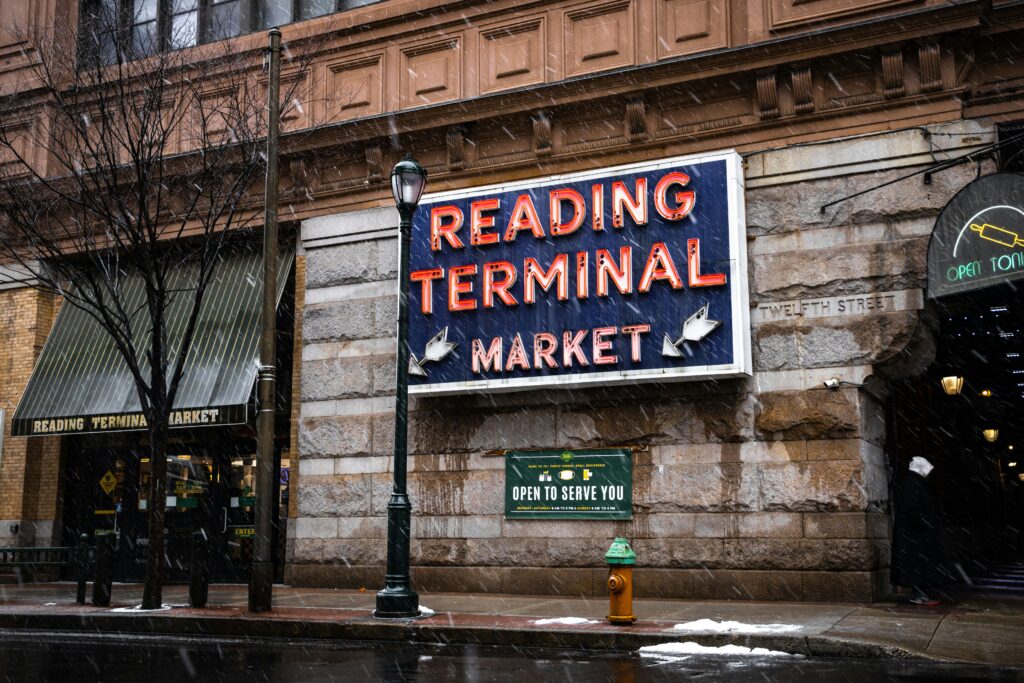
Market hours run 8am to 6pm Monday through Saturday, 9am to 5pm Sunday. Entry is free.
Fishtown and Northern Liberties
Two adjacent neighborhoods north of Center City that shifted from working-class industrial to independently commercial without losing the physical evidence of what they were before.
Fishtown, along Girard Avenue and Frankford Avenue, is named for the shad fishermen who worked the Delaware River here in the 18th century. The current neighborhood holds the city’s most active bar and restaurant strip on Frankford Avenue, a concentration of independent businesses that has been building since the mid-2000s. Suraya, a Lebanese restaurant and market on Frankford Avenue, has been one of the most reviewed restaurants in Philadelphia for several years. La Colombe Coffee Roasters, which began on Frankford Avenue before expanding nationally, still operates its flagship at 1335 Frankford.
Northern Liberties, immediately south of Fishtown, has the same independent commercial density with a slightly quieter street life. The Liberty Lands Park is a community-built green space that functions as the neighborhood’s living room on summer evenings.
Both neighborhoods are accessible by SEPTA’s Market-Frankford El Line to Girard Station or by Uber from downtown.
Day Trip: Lancaster County and Amish Country
Lancaster County sits 70 miles west of Philadelphia on the US-30, a 1.5-hour drive that passes through the Pennsylvania Dutch Country where Old Order Amish and Mennonite communities have been farming the same land since the 18th century. The agricultural landscape, rolling hills of corn and wheat divided by white fences and dotted with black buggies moving along the road shoulder at 8 miles per hour, looks nothing like any other part of Pennsylvania and very little like anywhere else in North America.
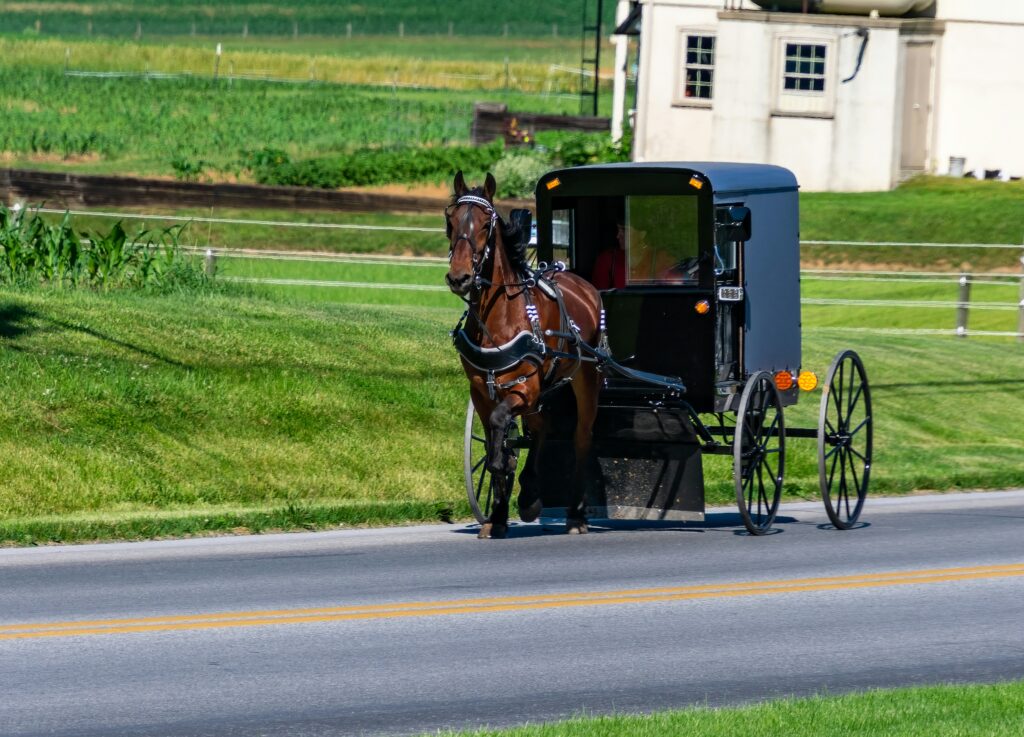
The town of Bird-in-Hand on Route 340 is the practical center for visitors: farmers markets, quilt shops and family restaurants serving Pennsylvania Dutch cooking, which is American in the sense that nothing in it is particularly European anymore and all of it is rooted in 300 years of local agricultural practice. Central Market in Lancaster City, running since 1730, is the oldest continuously operating farmers market in the US. Open Tuesday, Friday and Saturday mornings.
No public transport covers Lancaster County usefully. A rental car from Rentalcars.com or an organized day tour from Philadelphia is the practical option.
Day Trip: Valley Forge
Valley Forge National Historical Park sits 20 miles northwest of Philadelphia and requires about 40 minutes by car or by SEPTA Regional Rail to Norristown followed by a short taxi. It is where George Washington’s Continental Army camped through the winter of 1777 to 1778, after two significant losses to British forces, and emerged the following spring as a more cohesive fighting force.
The park covers 3,500 acres of open fields, wooded ridges and reconstructed log huts, with 26 miles of trails that are usable in summer heat with early-morning starts. The Washington Memorial Chapel and the visitor center are worth 90 minutes before walking the grounds. In the anniversary year of 2026, special programming and commemorative events run through the summer. Entry is free. Check nps.gov/vafo for current programs.
Philadelphia Food Worth Finding
Cheesesteak: The debate between Pat’s King of Steaks and Geno’s Steakhouse, facing each other at the intersection of 9th Street and Passyunk Avenue in South Philadelphia, has been running since 1966 and is largely manufactured. Both are fine. John’s Roast Pork on Snyder Avenue, which also serves a cheesesteak, is less famous and better. DiNic’s roast pork at Reading Terminal Market, as noted above, is the actual answer.
Italian Market: The 9th Street Italian Market, running from Christian Street to Washington Avenue in South Philadelphia, is the oldest and largest outdoor market in the United States, operating since the 1880s. The vendors are a mix of Italian-American, Mexican and Southeast Asian now; the produce, meat and cheese quality remains high and the prices reflect a working neighborhood rather than a food hall.
Fine dining: Zahav on Segal Court has been one of the most decorated restaurants in the country since Michael Solomonov opened it in 2008; Israeli-influenced sharing plates that require an advance reservation of several weeks. For something more casual in the same register, Federal Donuts on Sansom Street, from the same restaurant group, serves Korean-spiced fried chicken and donuts for under $15 per person.
Practical Notes for World Cup Fans in Philadelphia
Getting around: SEPTA covers the airport, downtown, the stadium and most neighborhoods via subway, trolley and Regional Rail. A SEPTA Key card purchased at any station handles all modes. For Fishtown, Northern Liberties and South Philadelphia, walking is often the best option from central stops. For Lancaster and Valley Forge, a rental car is required.
Accommodation: Philadelphia averages around $220 to $280 per night for mid-range properties during the tournament. Center City and the Old City neighborhoods offer the best location for fans without a car. Booking.com and Airbnb have solid inventory; book early given the anniversary year tourism surge.
Weather: June and July in Philadelphia run hot and humid, typically 30 to 33 degrees Celsius. The city sits inland enough that there is no coastal cooling effect. Morning activity, afternoon museums, evening neighborhoods.
Connectivity: Airalo for US eSIM before arrival.
Plan Your Philadelphia Days
The Traveneur Trip Planner builds a complete Philadelphia itinerary around your travel style in two minutes. Budget Backpacker, Independent Traveler, Comfort Seeker or Adventure Traveler: different priorities, different trip.
The City That Built the Country
Philadelphia’s role in American history is so foundational that it risks becoming abstract: the Liberty Bell, the Declaration, the Founding Fathers as a category rather than as specific people in a specific building making specific arguments. The 250th anniversary year strips some of that abstraction away. Standing in the Assembly Room at Independence Hall, in a year when the country is explicitly reckoning with what that room produced, is a different experience than a standard historical tour. The fans who make time for it between matches will find it lands harder than they expected.
Official Philadelphia tourism: visitphilly.com. America250 events: america250.org. SEPTA transit: septa.org. Match schedule: fifa.com/worldcup.