Things to Do in Boston Between World Cup 2026 Games: New England Beyond the Freedom Trail
Things to do in Boston between World Cup 2026 games reach well past the Freedom Trail and Fenway Park. Gillette Stadium in Foxborough hosts 6 matches during the tournament, including England vs Colombia on June 15, Netherlands vs Mexico on June 22 and a Round of 16 on July 7. The stadium sits 25 miles south of Boston in a configuration that makes it one of the more logistically interesting venues in the tournament: far enough from the city to require planning, close enough to make Boston the natural base for fans attending matches there.
Boston is the oldest major city in the United States and carries that age in its street grid, which predates the concept of urban planning and was laid out by cows before the colonists arrived and by the colonists after. The result is a walkable, compact city of roughly 700,000 people with a disproportionate concentration of universities, hospitals, historic sites and neighborhood restaurants within a geography that most visitors cover on foot in two or three days. What they miss in those days, and what this guide covers, is New England: the coastal towns north of the city, the colonial history west of it, and the island and peninsula landscapes that make Massachusetts one of the most geographically varied small states in the country.
Getting to Gillette Stadium
Gillette Stadium sits at One Patriot Place in Foxborough. On match days, the MBTA Commuter Rail runs dedicated service from South Station in downtown Boston directly to Foxborough Station, a short walk from the stadium entrance. Journey time is approximately 50 minutes. Trains run on a match-day schedule only; check mbta.com for updated service details as fixtures are confirmed.
Post-match trains fill quickly; the queue for the platform is part of the experience. Driving is possible via I-95 south but parking sells out for major fixtures and the post-match exit from the lot system takes significantly longer than the train. For fans staying in Providence, Rhode Island (45 minutes south of Boston by Amtrak and one of the more affordable accommodation options for this host city), Foxborough is reachable by a combination of commuter rail connections.
The North End and Waterfront
The North End is Boston’s oldest residential neighborhood, settled continuously since 1630 and home to the city’s Italian-American community since the late 19th century. It is small, dense and almost entirely walkable: narrow streets running between brick rowhouses, pastry shops and Italian restaurants on Hanover Street, the Paul Revere House at 19 North Square (the oldest remaining structure in downtown Boston, built around 1680, admission $6), and the Old North Church where the signal lanterns were hung on April 18, 1775 to warn of the British advance.
The waterfront along Atlantic Avenue connects the North End to the Seaport District, a former industrial zone that has been developed into a mixed-use neighborhood of glass office towers, hotels and restaurants. The Institute of Contemporary Art at 25 Harbor Shore Drive sits on the waterfront with views of the harbor from its top-floor galleries. General admission is $25; free on Thursday evenings after 5pm.
For the Italian pastry question that every visitor eventually faces: Mike’s Pastry and Modern Pastry face each other on Hanover Street and have been conducting a cannoli rivalry for decades. Modern is smaller, quieter and, by a narrow margin that is fiercely disputed, makes the better cannoli. Both are cash only.
Cambridge: Harvard, MIT and the City Across the River
Cambridge sits across the Charles River from Boston and is accessible by the Red Line in about 10 minutes from downtown. It is technically a separate city of 120,000 people and operates with the particular confidence of a place that contains two of the most significant research universities in the world within walking distance of each other.
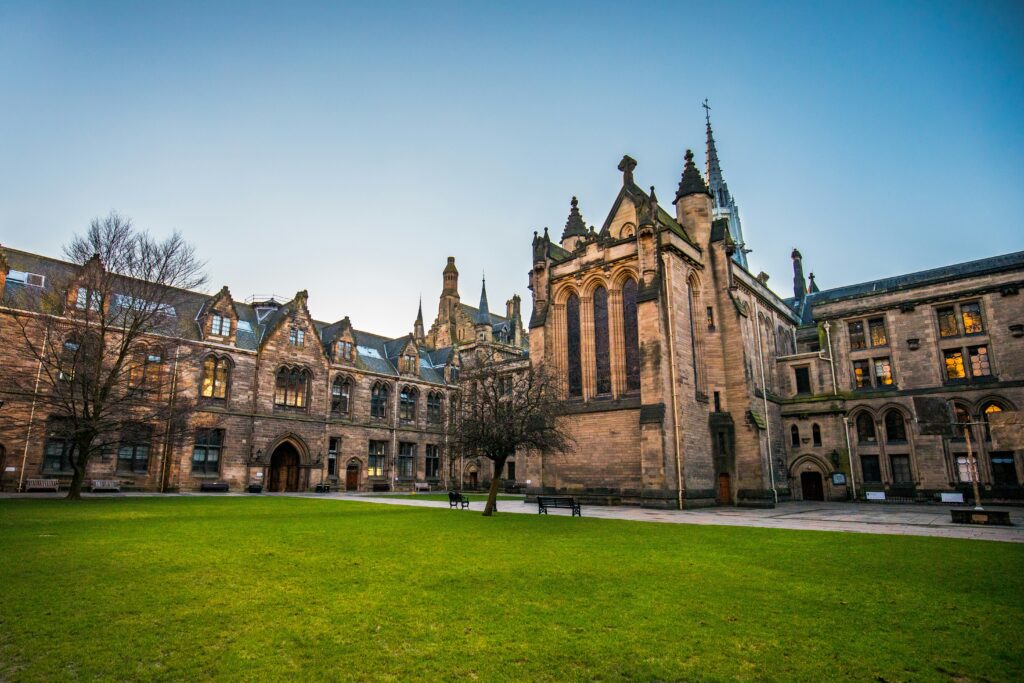
Harvard Square around the university’s main gate holds bookshops, cafés and the Harvard Art Museums at 32 Quincy Street, which charge $20 for general admission and hold one of the strongest university art collections in the country, including significant Impressionist and German Expressionist holdings. The Peabody Museum of Archaeology and Ethnology on the same campus is included in the same ticket and covers North American indigenous cultures and global ethnographic collections with more depth than most standalone natural history museums.
MIT’s campus, a mile east along Massachusetts Avenue, is freely accessible and architecturally more interesting than its utilitarian reputation suggests. The MIT Museum at 314 Main Street covers the institute’s history of invention and current research; admission is $10. The Stata Center, designed by Frank Gehry and opened in 2004, is the most visually distinctive building on the campus and houses computer science and linguistics research in a building that looks like a controlled explosion.
For food in Cambridge: Harvest on Brattle Street is the neighborhood’s fine dining standard. Flour Bakery on Mass Ave is where the city’s working population eats lunch. Grendel’s Den in Harvard Square has been serving affordable food and beer to students and residents since 1971 and operates as a reminder that not everything near a major university is priced for expense accounts.
Day Trip: Salem and Cape Ann
Salem, 16 miles north of Boston on the MBTA Commuter Rail’s Newburyport/Rockport Line, is best known for the 1692 witch trials that killed 20 people and has been profiting from that association in ways ranging from thoughtful to exploitative ever since. The Peabody Essex Museum at Essex Street is where the serious cultural history resides: one of the oldest continuously operating museums in the United States, with significant collections of maritime art, Asian export art and the history of New England’s role in global trade. Admission is $20; free for visitors under 16.
The Salem Witch Museum on Washington Square North covers the trials in a theatrical presentation that has been running essentially unchanged since 1972 and is experienced best with the awareness that it is a 1970s theatrical production rather than a rigorous historical account. The Charter Street Cemetery, where several judges from the trials are buried, predates the events by 20 years and is one of the oldest cemeteries in the country.
Commuter Rail from North Station to Salem takes 28 minutes, round trip fare approximately $16.
Cape Ann, further north along the same rail line, holds Gloucester and Rockport: two fishing communities whose harbor landscapes have been painted by American artists since the early 19th century. Rockport in particular is the kind of small New England coastal town that appears on greeting cards for reasons that are entirely justified in person. The red fishing shack known as Motif Number 1 in Rockport Harbor is the most-painted subject in American art. Bearskin Neck, the commercial street running out to the harbor, holds galleries, seafood restaurants and craft shops in converted fish houses.
Day Trip: Newport, Rhode Island
Newport, Rhode Island, sits 35 miles south of Providence and about 75 miles from Boston, a 1.5-hour drive via I-195. It is the kind of place that requires some context to appreciate fully: a Gilded Age resort town where the Vanderbilts, Astors and Belmonts built summer cottages of 70 rooms and called them cottages without apparent irony.
The Breakers at Ochre Point Avenue is the most visited of the Newport mansions: a 70-room Italian Renaissance palazzo built for Cornelius Vanderbilt II in 1895. The Preservation Society of Newport County operates tours of several mansions; combined tickets start at $34. The Cliff Walk runs 3.5 miles along the Atlantic coastline between the mansion backyards and the ocean, combining the best free view of the estates with an unobstructed view of the Rhode Island Sound.
Newport also holds a working waterfront in Thames Street, a harbor full of sailing yachts, and more seafood restaurants per block than most New England towns three times its size. The Lobster Bar at 31 America’s Cup Avenue is the most straightforward option for a lobster roll that costs what a lobster roll should cost near the water.
No direct public transport connects Boston to Newport on a useful schedule. A rental car from Rentalcars.com or Amtrak to Providence followed by a Rhode Island Public Transit bus covers it for car-free travelers.
Boston Food Worth Finding
Boston’s food reputation has improved substantially in the last decade, driven by a generation of chefs who grew up in New England and stayed. The city’s strongest suit remains seafood, which reflects geography more than ambition: the fishing port of Gloucester is 30 miles north, the oyster beds of Wellfleet are 80 miles southeast, and the lobster boats that supply the city’s restaurants operate year-round in the waters of the Gulf of Maine.
Seafood: Island Creek Oyster Bar on Dalton Street is the reference point for raw bar quality in the city. Row 34 in Fort Point serves oysters, clam chowder and fried clams sourced from specific New England farms and boats. For a lobster roll without restaurant prices, James Hook and Co. at 15 Northern Avenue has been selling lobster directly from the wharf since 1925; a lobster roll costs $28 to $35 and is eaten at a picnic table on the waterfront.
Clam chowder: Legal Sea Foods, a Boston institution since 1968, serves the city’s most consistent version at multiple locations. The original recipe has been served at every presidential inauguration since 1981.
Italian: The North End restaurants along Hanover and Salem Streets are the obvious option and worth it for atmosphere; Mamma Maria on North Square and Trattoria Il Panino on Fleet Street hold up on quality as well as location.
Practical Notes for World Cup Fans in Boston
Getting around: The MBTA covers the city by subway (the T), bus and commuter rail. A CharlieCard loaded with stored value works across all modes; single rides on the T cost $2.40 with a CharlieCard. The Commuter Rail to Foxborough runs match-day service only. For Salem, Newport and Cape Ann, Commuter Rail or a rental car. Download Citymapper for real-time MBTA disruption alerts.
Accommodation: Boston hotel rates during the tournament run $350 to $500 per night for mid-range properties, one of the more expensive host cities. Providence, Rhode Island, 45 minutes south by Amtrak at $18 to $30 each way, runs $150 to $250 per night for equivalent quality. Salem and suburban communities north of the city also run lower. Booking.com and Airbnb have solid inventory across price points.
Weather: Boston in June and July runs warm and humid: 25 to 30 degrees Celsius, with the occasional heat wave pushing above 35. Coastal areas including Salem, Gloucester and Newport run noticeably cooler due to Atlantic influence. Rain is possible any time of year; a light layer handles most situations.
Connectivity: Airalo for US eSIM before arrival.
Plan Your Boston Days
The Traveneur Trip Planner builds a complete Boston itinerary around your travel style in two minutes. Budget Backpacker, Independent Traveler, Comfort Seeker or Adventure Traveler: same city and region, entirely different experience.
New England at Its Own Pace
Boston is the smallest of the US World Cup host cities by population and has more concentrated historical significance per square mile than any of the others. The fans who extend into New England, north to Salem and the Cape Ann fishing towns, south to Newport’s mansions and Rhode Island’s coast, will find a region that operates at a pace and scale that no other part of the tournament provides. Two clear days between matches is enough to cover Boston properly and reach one destination beyond it. That combination lands differently than most World Cup travel does.
Official Boston tourism: bostonusa.com. MBTA transit: mbta.com. Peabody Essex Museum Salem: pem.org. Match schedule: fifa.com/worldcup.